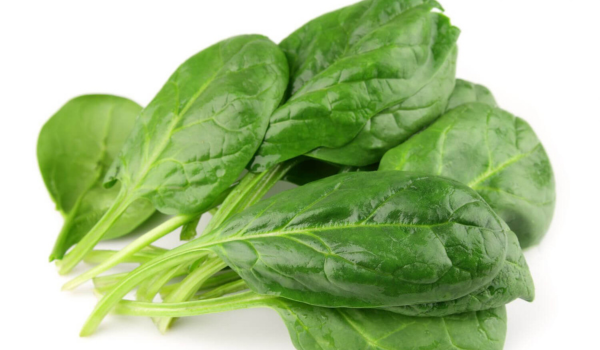
Spinach, also known as Spinacia oleracea, is a nutrient-dense leafy green that supports overall health when consumed regularly. Rich in vitamins, minerals, antioxidants, and fiber, spinach may positively impact your heart, digestion, vision, and brain health.
Below is what may happen to your body when spinach becomes a regular part of your diet.
You’ll Get A Powerful Boost Of Essential Nutrients
Spinach is low in calories but packed with vital nutrients. Just three cups of raw spinach provide impressive amounts of essential vitamins and minerals.
Key Nutrients Found In Spinach Include:
-
Folate: Supports DNA production and red blood cell formation
-
Vitamin A: Helps maintain healthy vision, immune function, and skin
-
Vitamin C: Supports immunity, skin health, and tissue repair
-
Vitamin K: Essential for proper blood clotting and wound healing
Spinach also supplies magnesium, potassium, iron, calcium, and small amounts of B vitamins, all of which support daily body functions.
You’ll Increase Your Antioxidant Intake
Spinach contains powerful antioxidants such as flavonoids and carotenoids that help protect your cells from oxidative stress.
Oxidative stress occurs when free radicals outnumber antioxidants in the body, potentially contributing to chronic conditions like heart disease, cancer, and type 2 diabetes. Regular spinach intake may help neutralize these harmful compounds and reduce long-term inflammation.
Your Blood Pressure May Improve
Spinach naturally contains dietary nitrates, which the body converts into nitric oxide. This compound relaxes blood vessels, allowing blood to flow more freely and reducing strain on the heart.
Research shows that consuming nitrate-rich vegetables like spinach can help lower diastolic blood pressure—the pressure in your arteries between heartbeats—supporting overall cardiovascular health.
Your Eye Health Could Improve
Spinach is rich in lutein, an antioxidant that plays a key role in eye health. Lutein helps protect the eyes from harmful blue light and oxidative damage.
Higher lutein intake has been associated with a reduced risk of age-related macular degeneration (AMD), a leading cause of vision loss in older adults. It also helps increase macular pigment density, which supports long-term visual performance.
Your Digestive Health May Improve
Spinach contains insoluble fiber, which helps support healthy digestion by adding bulk to stool and promoting regular bowel movements.
Fiber also helps you feel fuller for longer, supporting appetite regulation and digestive comfort. A fiber-rich diet is linked to better gut health and reduced risk of constipation.
You May Lower Your Risk Of Cognitive Decline
The anti-inflammatory and antioxidant compounds in spinach may help protect brain health as you age.
Studies suggest that people who regularly consume leafy greens experience slower cognitive decline. In fact, adults who ate one to two servings of leafy greens daily performed cognitively like individuals several years younger.
You Could Increase Your Risk Of Kidney Stones
While spinach offers many health benefits, it is also high in oxalates. In people who are prone to kidney stones, oxalates can bind with calcium and form crystals.
If you are sensitive to oxalates or have a history of kidney stones, it may be best to moderate your intake or pair spinach with calcium-rich foods.
Which Type Of Spinach Is Best?
Different varieties of spinach offer slightly different textures and uses:
-
Baby Spinach: Soft texture and mild flavor
-
Flat-Leaf Spinach: Mature leaves with a smooth surface
-
Savoy Spinach: Curly leaves and a more robust texture
-
Semi-Savoy Spinach: A balance between tender and sturdy
All types offer similar nutritional benefits.
Spinach Nutrition Facts
One cup of raw spinach contains approximately:
-
Calories: 7
-
Fat: 0.1 g
-
Carbohydrates: 1.1 g
-
Fiber: 0.7 g
-
Protein: 0.9 g
-
Sodium: 23.7 mg
Spinach is also rich in potassium, folate, vitamin C, and vitamin K—nutrients that support heart health, immunity, and bone strength.
Tips For Eating More Spinach
You can enjoy spinach in many ways without losing its nutritional value:
-
Add it to soups, stews, or chili
-
Blend it into smoothies with healthy fats
-
Sauté lightly with olive oil and garlic
-
Add to salads, wraps, or grain bowls
-
Steam lightly to preserve nutrients
Avoid overcooking spinach, as high heat can reduce certain vitamins. Light steaming or quick sautéing works best.
A Quick Review
Eating spinach regularly may support heart health, digestion, brain function, and overall wellness. Its rich supply of vitamins, antioxidants, and fiber makes it a powerful addition to a balanced diet.
While spinach is highly nutritious, people prone to kidney stones should consume it in moderation. For most individuals, adding spinach to meals is a simple and effective way to support long-term health.


.png)












.png)
.png)
.png)
.png)


.png)
.png)
.png)
.png)
.png)
.png)
.png)
.png)
.png)
.png)




.png)
.png)
.png)
.png)