
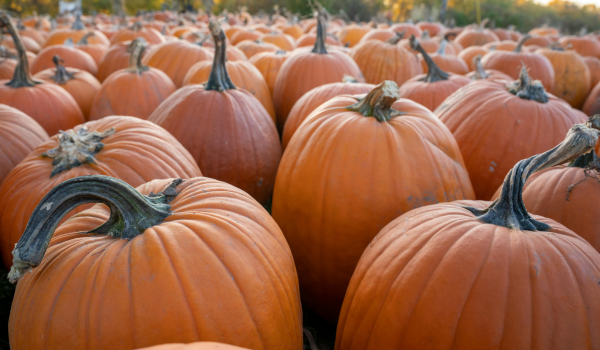
Pumpkin is a bright-orange winter squash native to North and Central America. Known for its smooth ribbed skin and sweet mild flavor, pumpkin is packed with valuable nutrients, antioxidants, and plant compounds that make it a nourishing addition to both sweet and savory meals. From soup to smoothies to pies, pumpkin delivers benefits for gut, immune, heart, and eye health.
May Support Gut Health
High fiber content aids digestion
Pumpkin provides a significant amount of fiber—around 7 grams in one cup of canned pumpkin puree. Fiber helps regulate bowel movements, feeds beneficial gut bacteria, and supports overall digestive balance.
Some early research suggests pumpkin peel contains unique polysaccharides that reduce bile acids and encourage the growth of gut-friendly microbes, offering further digestive benefits.
May Reduce The Risk Of Developing Certain Cancers
Rich antioxidants protect against oxidative stress
Pumpkin is full of antioxidants such as beta carotene, which may help neutralize free radicals linked to cell damage.
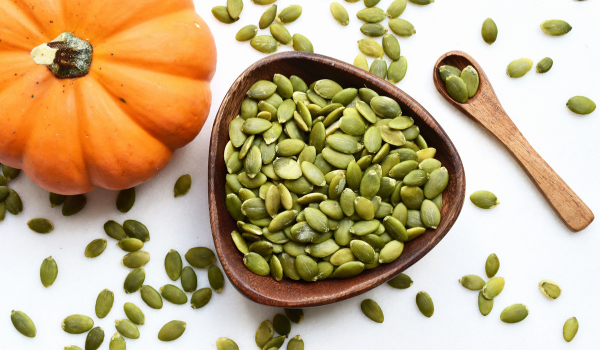
Population studies show that people who regularly eat pumpkin seeds may have a lower risk of breast, lung, and rectal cancers. Emerging data also suggests pumpkin extracts may help slow the development of prostate cancer, although more human research is needed to confirm these effects.
May Support Immune Health
Provides essential immune nutrients
Pumpkin contains vitamin C, zinc, and selenium—three nutrients that play important roles in immune defense.
Since pumpkin is more than 90% water, it also contributes to hydration, which is key for immune functioning.
With about 70% of immune cells residing in the gut, fiber-rich foods like pumpkin further support immunity by nurturing a healthier microbiome.
May Support Weight Management
Low calorie and naturally filling
Pumpkin is a nutrient-dense food with few calories—just about 30 calories per cup of raw cubes.
Fiber helps promote fullness, delays hunger, and supports healthy weight regulation. Adding pumpkin to meals is an effortless way to boost vegetable intake without increasing calories or sodium.
May Support Eye Health
Packed with carotenoids for vision protection
Pumpkin contains vitamin A, lutein, and zeaxanthin—three nutrients strongly linked to eye and vision health. Lutein and zeaxanthin accumulate in the retina and help shield the eyes from light damage. People who consume more of these carotenoids appear to have a lower risk of macular degeneration.
May Support Healthy Blood Pressure
Provides heart-protective minerals
Pumpkin supplies potassium, calcium, and magnesium—key nutrients in the DASH diet, which is widely recommended to help manage hypertension.
Pumpkin is also naturally low in sodium, making it a smart flavor-packed choice for heart-healthy eating.
Pumpkin Nutritional Facts
One cup of raw cubed pumpkin provides:
Calories: 30
Protein: 1.16 g
Fat: 0 g
Carbohydrates: 7.5 g
Fiber: 0.58 g
Calcium: 24 mg
Iron: 1 mg
Magnesium: 13 mg
Vitamin C: 10 mg
Risks
Digestive discomfort when overconsumed
Pumpkin’s fiber is a benefit, but too much at once may cause gas, bloating, or cramps.
Rare allergic reactions
Although uncommon, pumpkin allergies do exist. People who experience itching, swelling, or breathing symptoms should avoid it.
Food safety concerns
Raw pumpkin must be washed well before eating or cooking to prevent foodborne illness. Cooking pumpkin thoroughly also removes harmful microbes.
Tips For Consuming Pumpkin
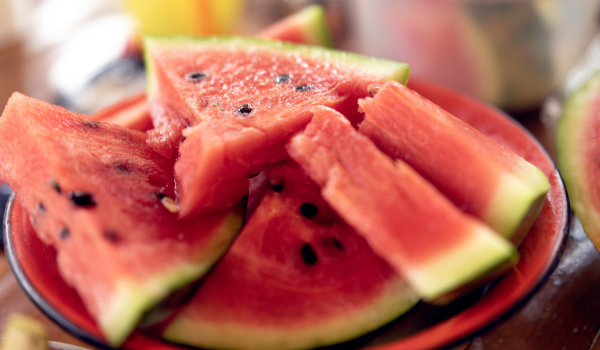
Pumpkin belongs to the same botanical family as melons, and like many melons, nearly every part is edible—including the flesh, skin, and seeds.
Ways to enjoy pumpkin include:
• Pumpkin purée in soups, sauces, pies, oatmeal, or pancakes
• Roasted pumpkin wedges seasoned with herbs
• Homemade roasted pumpkin seeds as a crunchy snack
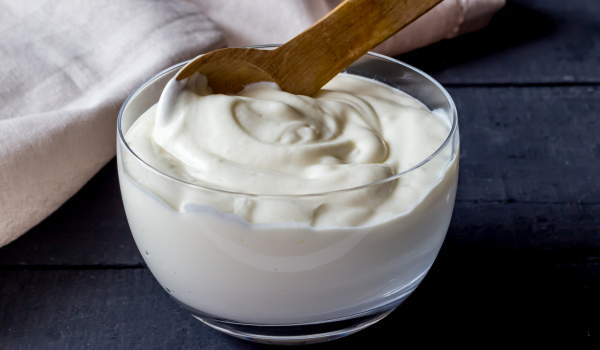
• Pumpkin smoothies blended with yogurt and spices
• Creamy pumpkin soup made with broth, purée, and herbs
Pumpkin is easy to incorporate into weekly meals and offers a satisfying nutrient boost in both sweet and savory dishes.

.png)


.png)
.png)
.png)
.png)
.png)
.png)
.png)
.png)
.png)
.png)
.png)
.png)
.png)
.png)


.png)
.png)
.png)
.png)

