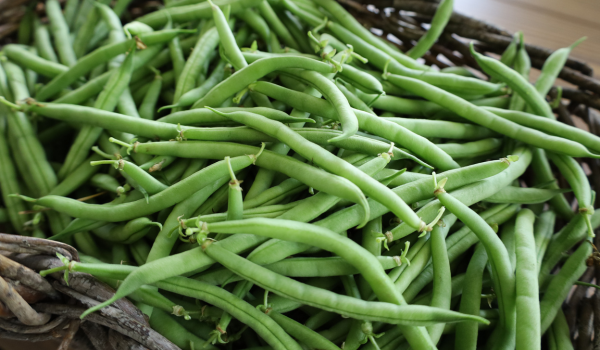
Green beans are nutrient-rich legumes that can support overall health when eaten regularly. They’re low in calories but packed with fiber, vitamins, and minerals that benefit digestion, heart health, and more.
You Could Support Better Gut Health
Green beans are rich in dietary fiber, which plays a key role in digestive health. Fiber helps regulate bowel movements and reduces the risk of constipation.
It also feeds beneficial gut bacteria, helping maintain a balanced gut microbiome. A healthy microbiome is linked to improved digestion, metabolic health, and a reduced risk of chronic conditions such as type 2 diabetes.
Green beans are also low in FODMAPs, meaning they’re less likely to cause bloating or discomfort. This makes them a suitable option for people with digestive conditions such as irritable bowel syndrome (IBS).
It May Be Easier To Maintain A Healthy Weight
Green beans are naturally low in calories and fat while still providing essential nutrients. This makes them a filling and satisfying food choice for people managing their weight.
Their fiber content helps promote fullness, which may reduce overeating and unnecessary snacking throughout the day.
You Could Support Stronger Bones
Green beans are a good source of vitamin K, an essential nutrient for bone health. Vitamin K plays a key role in bone mineralization and helps maintain bone density.
A consistent intake of vitamin K may reduce the risk of osteoporosis, a condition characterized by fragile and brittle bones.
Your Heart Health May Improve
Green beans contain nutrients that support cardiovascular health, including potassium and folate.
Potassium helps regulate blood pressure by balancing sodium levels in the body. Folate supports healthy blood vessels and circulation. In addition, the fiber in green beans may help reduce LDL (“bad”) cholesterol levels.
Together, these effects may lower the risk of heart disease over time.
However, preparation matters—canned green beans often contain added sodium, which can raise blood pressure. Choosing low-sodium or fresh options is best.
You’ll Get Nutrients That Support Eye Health
Green beans provide several nutrients that support eye function, including vitamin C and folate.
Vitamin C helps maintain healthy connective tissue and may reduce the risk of cataracts. Folate has been linked to a lower risk of age-related macular degeneration, a leading cause of vision loss.
Including green beans as part of a balanced diet may help protect long-term eye health.
Nutritional Value Of Green Beans
Green beans are low in calories but rich in essential nutrients. One cup of cooked green beans contains approximately:
-
Calories: 44
-
Protein: 2.36 g
-
Fat: 0.35 g
-
Carbohydrates: 9.86 g
-
Fiber: 4 g
-
Sodium: 1.25 mg
-
Potassium: 182 mg
-
Calcium: 55 mg
-
Vitamin A: 791 IU
-
Folate (Vitamin B9): 41.2 mcg
-
Vitamin C: 12.1 mg
-
Vitamin K: 59.9 mcg
These nutrients support bone health, immunity, metabolism, and heart function.
Tips For Adding Green Beans To Your Diet
How you prepare green beans affects their nutritional value. Here are some helpful tips:
-
Limit Added Salt: Excess sodium can raise blood pressure. Choose fresh or low-sodium canned options and rinse before use.
-
Snack Smart: Fresh green beans make a crunchy, nutrient-rich snack when paired with hummus or olive oil.
-
Choose Fresh Or Frozen: Fresh or flash-frozen green beans often retain more nutrients than canned varieties.
-
Use Gentle Cooking Methods: Light sautéing or steaming preserves nutrients better than boiling. Use healthy fats like olive oil instead of butter.
A Quick Review
Green beans are a nutrient-dense vegetable that supports digestion, heart health, bone strength, and overall wellness. They are low in calories, high in fiber, and easy to incorporate into many meals.
While generally safe for most people, choosing low-sodium preparation methods helps maximize their health benefits. Adding green beans to your regular diet is a simple way to support long-term health.


.png)









.png)
.png)
.png)
.png)


.png)
.png)
.png)
.png)
.png)
.png)
.png)
.png)
.png)
.png)



.png)
.png)
.png)
.png)