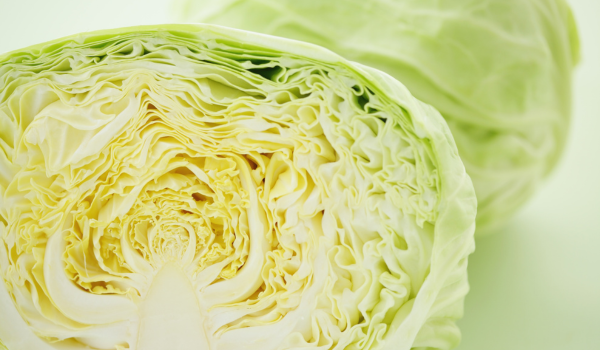
Cabbage is a nutrient-packed vegetable that may support weight management, digestive health, and heart function.
It belongs to the cruciferous family and provides vitamins C and K, fiber, and antioxidants—all for just about 17 calories per cup.
You can enjoy cabbage raw or lightly cooked. Quick methods like stir-frying or steaming preserve the most nutrients.
Weight Loss
Low calorie and filling
Cabbage offers volume without calories—1 cup of raw shredded cabbage provides just 17 calories.
Replacing high-calorie foods with low-calorie vegetables like cabbage may help promote weight loss or healthy weight maintenance.
Cabbage is also budget-friendly compared to many nutritious produce options.
Blood Pressure Regulation
Rich in potassium
More than one billion people worldwide live with high blood pressure.
Cabbage provides potassium—a mineral needed for regulating heartbeat and balancing sodium levels.
Adequate potassium may help counteract sodium and support healthy blood pressure levels.
Improved Bone Health
High in vitamin K
Cabbage contains vitamin K, which supports bone strength and proper blood clotting.
One cup supplies more than half of the daily requirement for some adults.
Vitamin K deficiency is rare but can increase the risk of osteoporosis or excessive bleeding.
Lower Heart Disease Risk
Anti-inflammatory benefits
Cabbage contains compounds that may lower inflammation—one of the drivers of heart disease.
A study found older women who ate more cruciferous vegetables had significantly less calcification in major arteries, meaning less plaque buildup and lower cardiovascular risk.
Reduced Inflammation
Natural antioxidants
Chronic inflammation contributes to diseases such as arthritis, diabetes, and cancer.
Cabbage contains isothiocyanates—plant compounds that act like antioxidants, helping defend cells from damage and lowering inflammation markers in the body.
Boost In Vitamin C
Immune and skin support
Your body cannot produce vitamin C, so you must obtain it from food.
Cabbage offers a convenient source to help support immunity, collagen formation, tissue repair, and iron absorption from plant-based foods.
Better Digestion
Provides fiber
Two cups of cabbage give nearly 4 grams of dietary fiber.
Fiber promotes digestive function, supports bowel regularity, stabilizes blood sugar, increases satiety, and helps nourish beneficial gut microbes.
May Prevent Cancer Cell Growth
Glucosinolates and cell protection
Cabbage contains glucosinolates, which release compounds during digestion that have been studied for potential anti-cancer activity.
While cabbage alone cannot prevent cancer, cruciferous vegetables may lower risk when included regularly in a balanced diet.
Nutrition Of Cabbage
One cup of raw shredded cabbage contains:
Calories: 17.5
Fat: 0.1 g
Sodium: 12.6 mg
Carbohydrates: 4.1 g
Fiber: 1.8 g
Added sugars: 0 g
Protein: 0.9 g
Risks
Allergy considerations
Cabbage may trigger allergies in people sensitive to mugwort, causing itching, swelling, or difficulty breathing.
Vitamin K interactions
Those taking blood thinners such as warfarin should consult a healthcare provider, as vitamin K may interfere with medication effects.
Digestive discomfort
Due to its fiber content, cabbage may cause bloating or gas if introduced in large quantities too quickly.
Tips For Consuming Cabbage
Enjoy cabbage in many preparations—raw, sautéed, tossed into soups, or folded into slaw.
Avoid overcooking to retain nutrients.
Try these ideas:
• Mix into stir-fries or tacos
• Add finely shredded cabbage to salads or sandwiches
• Make a sweet slaw with fruit and lemon
• Sauté and serve with grilled protein
• Use as a topping for burgers or grain bowls
Red cabbage varieties offer added anthocyanins—pigments with antioxidant and anti-inflammatory properties.

.png)


.png)
.png)
.png)
.png)
.png)
.png)
.png)
.png)
.png)
.png)
.png)
.png)
.png)
.png)



.png)
.png)
.png)
.png)