
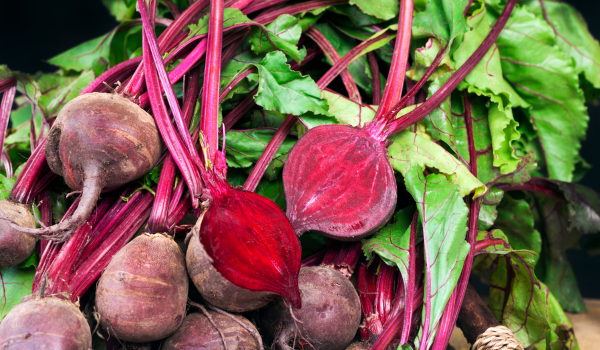
Beets—also known as beetroot—are nutrient-dense root vegetables that have been used for centuries in traditional diets. When eaten regularly, beets may support heart health, digestion, circulation, and overall wellness thanks to their rich supply of nitrates, fiber, antioxidants, and essential nutrients.
Here’s how your body may respond when beets become a regular part of your diet.
Improved Blood Pressure Control
Beets are naturally high in dietary nitrates. Once consumed, these compounds are converted into nitric oxide, a molecule that helps relax and widen blood vessels. This process improves blood flow and supports healthier blood pressure levels.
What Research Suggests
Studies show that beet-derived nitrates may lower systolic blood pressure, particularly in individuals with hypertension. Systolic pressure refers to the force exerted on artery walls during heartbeats. Improved circulation allows oxygen and nutrients to move more efficiently throughout the body.
Enhanced Physical Performance
Beets may support exercise performance by improving how efficiently the body uses oxygen. Nitrates help muscles work more effectively, allowing for better endurance and reduced fatigue during physical activity.
Research suggests that regular beet consumption may improve stamina, increase time to exhaustion, and enhance overall physical output—especially during endurance-based exercise.
Better Digestive Health
Beets are a solid source of dietary fiber. One cup of raw beets provides over 13% of the recommended daily fiber intake.
Fiber supports digestion by:
-
Promoting regular bowel movements
-
Supporting healthy gut bacteria
-
Helping you feel full longer
This makes beets beneficial for digestive comfort and long-term gut health.
Powerful Antioxidant and Anti-Inflammatory Support
Beets contain unique antioxidants known as betalains. These compounds help neutralize harmful free radicals that can damage cells and contribute to chronic inflammation.
Reducing oxidative stress may lower the risk of long-term conditions such as cardiovascular disease, metabolic disorders, and certain cancers.
Support for Heart Health
In addition to nitrates, beets contain betaine—a compound that helps regulate levels of homocysteine in the blood. Elevated homocysteine has been linked to a higher risk of heart disease.
By supporting healthy blood vessels and circulation, beets may contribute to improved cardiovascular function over time.
Potential Cognitive Benefits
As we age, blood flow to the brain naturally declines. The nitrates found in beets may help improve oxygen delivery to brain tissue, supporting cognitive function and mental clarity.
While more research is needed, early findings suggest beets may play a role in maintaining brain health in older adults.
Support for Liver Health
The liver plays a critical role in filtering toxins and regulating metabolism. Beets contain compounds that may support liver function, particularly in people with fatty liver conditions.
Betaine helps protect liver cells from inflammation and oxidative stress, which may reduce the risk of liver-related complications.
Beets Nutrition Overview
One cup of raw beets provides approximately:
-
Calories: 58
-
Fat: 0.2 g
-
Carbohydrates: 13 g
-
Fiber: 3.8 g
-
Protein: 2.2 g
-
Sodium: 78 mg
Beets also supply essential nutrients such as potassium, folate, and vitamin C—important for heart health, immune support, and cellular repair.
Possible Risks of Eating Beets
While beets are generally safe, excessive intake may cause side effects in some individuals:
Kidney Stones
Beets contain oxalates, which may increase the risk of kidney stone formation in susceptible individuals.
Changes in Urine or Stool Color
Beets can temporarily cause red or pink urine or stool, a harmless condition known as beeturia. However, persistent discoloration should be medically evaluated.
Allergic Reactions
Though rare, some people may experience allergic responses such as itching or swelling after consuming beets.
Easy Ways to Add Beets to Your Diet
Beets are versatile and can be enjoyed in many forms, including:
-
Roasted or steamed as a side dish
-
Added raw to salads or slaws
-
Blended into smoothies or juices
-
Pickled for flavor and preservation
-
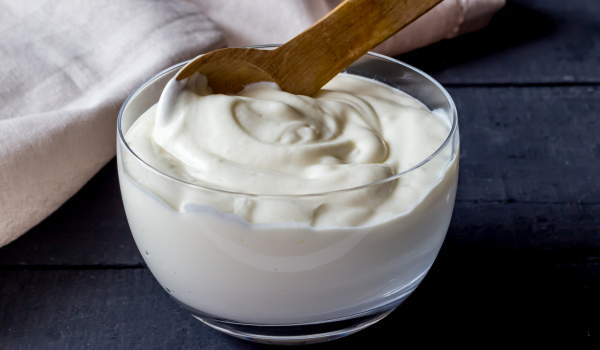
Mixed into dips with yogurt or garlic
A Quick Review
Eating beets regularly may support heart health, digestion, circulation, and cognitive function. Their natural nitrates, fiber, and antioxidants offer multiple health benefits when consumed as part of a balanced diet.
While beets are safe for most people, moderation is key—especially for individuals prone to kidney stones or digestive sensitivities.

.png)



.png)
.png)
.png)
.png)
.png)
.png)
.png)
.png)
.png)
.png)
.png)
.png)
.png)
.png)



.png)
.png)
.png)
.png)

