
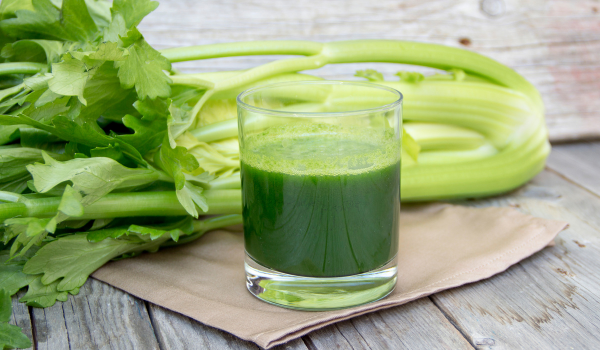
Celery juice is a refreshing, hydrating drink packed with vitamins, minerals, and naturally occurring plant compounds.
Its high water content and antioxidant profile make it a popular choice for supporting heart health, digestion, and inflammation balance.
Celery can be blended and strained into juice or consumed whole. While juicing delivers concentrated nutrients quickly, it removes much of the fiber found in whole celery.
Keeps You Hydrated And Energized
Nutrient-rich hydration
Celery juice is about 95% water and contains electrolytes like potassium that help maintain fluid balance throughout the body.
Drinking it regularly may support hydration—especially during hot weather, exercise, or days when water intake is low.
Staying hydrated supports energy, body temperature control, and digestion.
Helps Maintain Stable Blood Sugar Levels
Low sugar and insulin-friendly
Compared to many fruit juices, celery juice is naturally low in calories, sugar, and carbohydrates.
This means it is less likely to spike blood sugar levels.
Some research suggests celery compounds may help improve insulin sensitivity, allowing glucose to enter cells more efficiently.
Better blood sugar control may also reduce inflammation linked with heart disease and metabolic disorders.
Fights Inflammation With Powerful Antioxidants
Natural compounds that protect cells
Celery contains a wide range of antioxidants, including apigenin—a plant compound studied for properties that may reduce cell damage.
Preclinical research suggests apigenin may help slow the spread of damaged cells, support chemotherapy effectiveness, and defend tissues from oxidative stress.
Antioxidants in celery may also support:
• Lower inflammation
• Healthy blood pressure
• Joint comfort
• Brain and nervous system health
More research, especially in humans, is needed to confirm these effects.
May Help Lower Blood Pressure Naturally
Supports healthy blood vessels
Studies show compounds in celery may help relax and widen blood vessels, supporting better blood flow.
Celery juice may also act as a mild diuretic, helping the body release excess fluid—another factor that may lower blood pressure.
One small study found celery juice decreased blood pressure by up to 17 points in men with hypertension.
However, existing research is limited and larger studies are needed.
Nutrition Information
One cup (236 g) of celery juice provides approximately:
Water: 225 g
Calories: 40
Fat: 0.4 g
Sodium: 229 mg
Carbohydrates: 7.8 g
Fiber: 3.8 g
Sugar: 3 g
Protein: 1 g
Potassium: 625 mg (13% DV)
Folate: 85 mcg (21% DV)
Vitamin K: 69 mcg (58% DV)
This combination supports hydration, blood clotting, and healthy cell function.
Potential Risks Of Celery Juice
May cause sensitivity or interact with medications
Celery juice is nutritious, but some people may need caution:
• Skin sensitivity
Celery contains psoralens, which may make skin more reactive to sunlight and increase the risk of irritation.
• Allergy or oral symptoms
People allergic to birch pollen may experience tingling, swelling, or itching due to cross-reactive proteins.
• Medication interactions
Vitamin K in celery juice may interfere with blood-thinning medications like warfarin.
• Lower fiber intake
Juicing removes most of the fiber naturally present in celery, which may reduce digestive benefits.
People with food allergies, digestive sensitivities, or medical conditions should speak with a provider before consuming celery juice daily.


.png)

















.png)
.png)
.png)
.png)


.png)
.png)
.png)
.png)
.png)
.png)
.png)
.png)
.png)
.png)




.png)
.png)
.png)
.png)

