
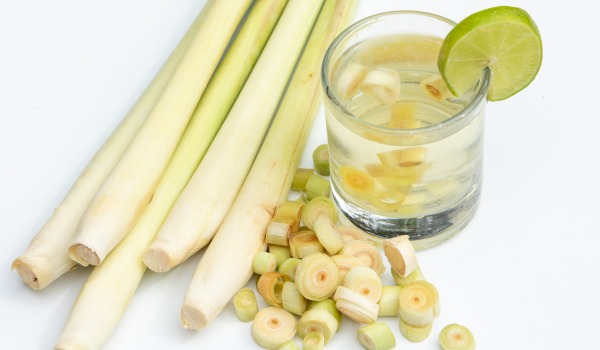
Lemongrass (Cymbopogon citratus) is a fragrant herb commonly used in Asian cuisine and traditional medicine. It has a citrus-like aroma and has long been associated with digestive support, pain relief, and antimicrobial effects. Adding lemongrass to your diet—through food, tea, or topical products—may influence your health in several ways.
You May Have Less Dandruff
Scalp Health Support
Some studies suggest that shampoos and hair tonics containing lemongrass oil may significantly reduce dandruff. Lemongrass appears to help control yeast overgrowth on the scalp, which is a common contributor to dandruff. Regular use may improve scalp balance and reduce flaking.
You Might Have Better Dental Health
Potential Gum Protection
Mouthwashes made with low concentrations of lemongrass oil have been shown to improve mild periodontitis, a form of gum disease. Healthier gums may also support cardiovascular health, as gum inflammation has been linked to heart disease.
Lemongrass-based mouth rinses may be a gentler alternative to chlorhexidine mouthwash, which can cause tooth staining and altered taste with long-term use. More research is still needed to confirm long-term safety and effectiveness.
You May Experience Less Arthritis Pain
Anti-Inflammatory Effects
Early research involving people with rheumatoid arthritis found that daily topical application of pure lemongrass essential oil reduced pain intensity over a 30-day period. This effect is believed to be linked to lemongrass’s anti-inflammatory compounds, which may help ease joint discomfort.
You Might Have Fewer Fungal Infections
Antifungal Activity
Lemongrass essential oil has shown the ability to disrupt biofilms formed by Candida albicans, a yeast that can overgrow and cause infections. Biofilms act as protective barriers for fungi, making infections harder to treat.
By breaking down these biofilms, lemongrass may help make fungal infections more responsive to treatment.
Lemongrass Nutrition Facts
Key Nutrients
One cup of raw lemongrass contains approximately:
-
Calories: 66
-
Protein: 1.2 grams
-
Fat: 0.3 grams
-
Sodium: 4 milligrams
-
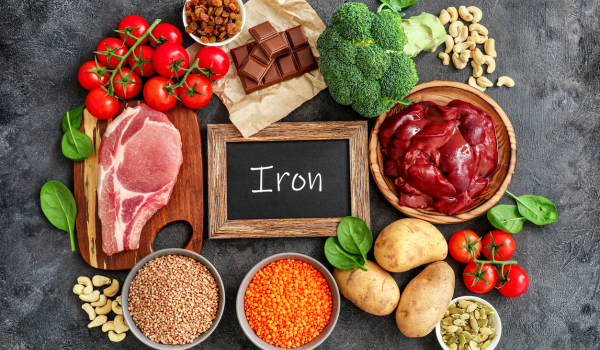
Iron: 30% of the Daily Value
-
Zinc: 14% of the Daily Value
-
Folate: 13% of the Daily Value
-
Magnesium: 10% of the Daily Value
-
Potassium: 10% of the Daily Value
Lemongrass has a high water content, which may also contribute modestly to hydration when consumed fresh.
Is Lemongrass Safe To Eat?
Possible Side Effects
Lemongrass is generally safe when used in cooking. However, consuming large amounts may cause side effects such as dizziness, dry mouth, fatigue, increased urination, appetite changes, or allergic skin reactions in sensitive individuals.
Pregnant people are advised to avoid lemongrass, as it may stimulate menstrual flow and potentially increase miscarriage risk. There is insufficient evidence regarding safety during breastfeeding.
People with kidney disease should consult a healthcare provider before consuming lemongrass regularly, as it can increase urination and contains potassium, which may need to be limited.
How To Enjoy Lemongrass In Your Diet
Simple Ways To Use It
-
Brew lemongrass tea by steeping fresh stalks in hot water
-
Add lemongrass to marinades for chicken, shrimp, tofu, or pork
-
Blend it into sauces, soups, stews, and stir-fries
-
Infuse it into simple syrup for beverages and mocktails
-
Mix finely minced lemongrass into butter for a flavored compound spread


.png)














.png)
.png)
.png)
.png)


.png)
.png)
.png)
.png)
.png)
.png)
.png)
.png)
.png)
.png)




.png)
.png)
.png)
.png)

