
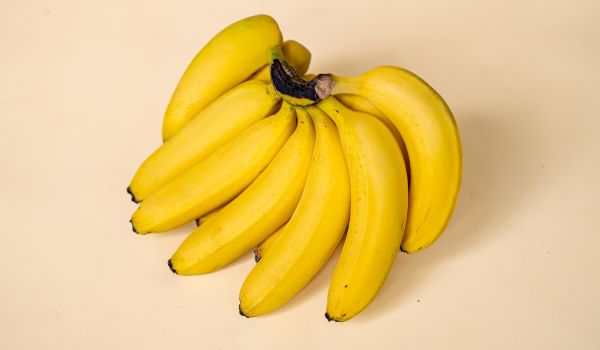
Bananas are known for being nutrient-dense and naturally sweet. They provide vitamins, minerals, fiber, and antioxidants. However, because they contain natural sugars, they can still elevate blood glucose levels. Understanding how ripeness, size, and eating habits affect their impact can help you enjoy bananas without unwanted spikes.
How Bananas Affect Blood Sugar
Ripeness determines sugar and fiber content
The biggest factor influencing how bananas affect blood sugar is how ripe they are.
As bananas ripen, starches convert into sugars—primarily glucose and fructose—which increases their glycemic effect.
Unripe bananas contain significantly more fiber, which slows digestion and moderates blood sugar rises. As the fruit softens and sweetens, its fiber drops and sugars rise, making it more likely to cause a quicker glucose elevation.
Changing glycemic response over time
One study found that a 100-gram portion of unripe banana provides around 18 grams of fiber, compared with 4 to 5 grams in ripe bananas, and just 2 grams in overripe bananas.
Because fiber helps slow sugar absorption, slightly green bananas tend to have a lower glycemic index, meaning they produce more gradual changes in blood glucose.
Nutrition Information
Typical nutrients in a medium banana
A ripe or slightly ripe banana weighing around 115 grams contains:
Calories: 113
Fat: 0.3 g
Protein: 0.9 g
Carbohydrates: 26.4 g
Fiber: 2 g
Sugar: 18.2 g
While bananas are higher in natural sugars than some fruits, they deliver potassium, vitamin B6, vitamin C, and antioxidants that support metabolic and cardiovascular health.
Can People With Diabetes Eat Bananas?
Bananas are still allowed with smart eating habits
Fruit—including bananas—plays a beneficial role in a balanced diet for most people, including those living with diabetes.
Bananas contain fiber, vitamins, and phytonutrients that support blood vessel and immune health.
Higher fiber intake can improve insulin response and hemoglobin A1c levels over time and is associated with a reduced risk of type 2 diabetes and related complications.
People managing diabetes may simply need to be more intentional—choosing less ripe bananas, watching serving sizes, and pairing them with protein or healthy fats to slow digestion.
How To Safely Include Bananas In Your Diet
Pair bananas with protein or fat
Eating bananas alongside nuts, yogurt, or other protein- or fat-containing foods can slow sugar release into the bloodstream.
Choose less ripe bananas
Green or slightly yellow bananas maintain more resistant starch and fiber, leading to a slower rise in blood glucose compared with very ripe or brown-speckled bananas.
Watch portions
A small banana impacts blood sugar less than a large banana—or eating more than one at a time.
Listening to hunger cues and mindful serving sizes can help reduce spikes while still enjoying the fruit.


.png)







.png)
.png)
.png)
.png)

.png)
.png)
.png)
.png)
.png)
.png)
.png)
.png)
.png)
.png)




.png)
.png)
.png)
.png)

