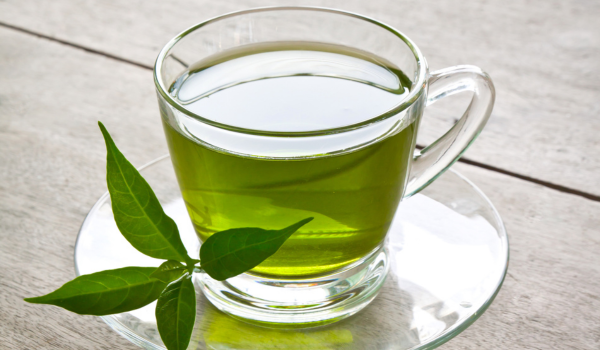
Green tea is one of the most widely consumed beverages in the world and is often praised for its heart-healthy properties. Rich in antioxidants and plant compounds, green tea may support cardiovascular health by helping regulate blood pressure. However, drinking too much may also come with certain risks, especially for people sensitive to caffeine or iron absorption issues.
How Green Tea May Help Lower Blood Pressure
Blood pressure refers to the force exerted by circulating blood against the walls of your arteries. When this pressure remains elevated for long periods, it increases the risk of heart disease, stroke, and kidney problems.
One contributing factor to high blood pressure is stiff or inflexible blood vessels. Green tea contains natural antioxidants known as catechins, which may help blood vessels relax and widen, improving circulation and easing pressure on arterial walls.
Antioxidant and Anti-Inflammatory Effects
Green tea is rich in compounds that help reduce oxidative stress—an imbalance between free radicals and the body’s ability to neutralize them. Excess oxidative stress can damage blood vessels and impair normal blood flow. By reducing inflammation and oxidative damage, green tea may help support healthier blood pressure levels.
Several studies suggest that people who regularly drink green tea may experience small but meaningful reductions in both systolic and diastolic blood pressure. A large review published in 2025 found that green tea supplementation contributed to modest improvements, especially in individuals with elevated blood pressure.
Additionally, observational research has shown that people with hypertension who regularly drink green tea may have a lower risk of heart-related complications.
Why Green Tea Isn’t a Blood Pressure Treatment
While green tea shows promise, it should not be considered a replacement for prescribed blood pressure medications.
Some research indicates that excessive green tea consumption may slightly increase blood pressure in certain individuals. This may be related to caffeine content or individual sensitivity.
Green tea works best as part of a broader lifestyle approach that includes:
-
Balanced nutrition
-
Regular physical activity
-
Stress management
-
Reduced sodium intake
When combined with these habits, green tea may contribute modestly to long-term heart health.
How Much Green Tea Is Safe?
For most healthy adults, drinking moderate amounts of green tea is considered safe and beneficial. However, excessive intake may lead to side effects.
Iron Absorption Concerns
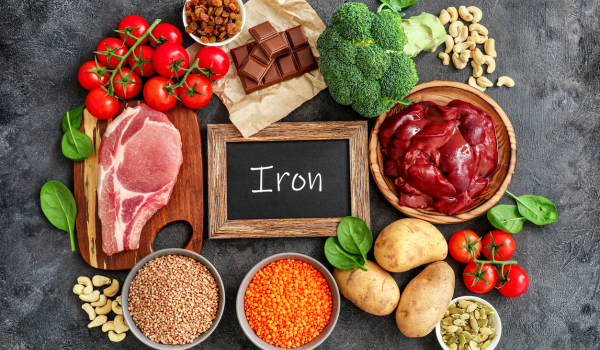
Green tea contains polyphenols that may interfere with the absorption of non-heme iron (iron from plant foods). Drinking green tea with meals may reduce iron absorption by up to 85%. While this usually isn’t an issue for healthy individuals, people with low iron levels should be cautious.
Caffeine Sensitivity
A typical 12-ounce cup of green tea contains about 30–40 mg of caffeine. While lower than coffee, consuming large amounts may still cause:
-
Rapid heartbeat
-
Jitters or anxiety
-
Headaches
-
Sleep disturbances
Medication Interactions
High doses of green tea or concentrated supplements may interact with certain medications, including:
-
Blood pressure medications such as nadolol
-
Chemotherapy drugs
-
Cholesterol-lowering medications
-
Certain antibiotics
Green tea supplements, which are far more concentrated than brewed tea, have also been linked to rare cases of liver toxicity.
Who Should Be Careful With Green Tea?
Some individuals may want to limit or avoid green tea, including:
-
People with iron deficiency
-
Those sensitive to caffeine
-
Individuals taking medications affected by catechins
-
Pregnant or breastfeeding individuals
Consulting a healthcare professional before using green tea supplements is strongly recommended.
Bottom Line
Green tea may help support healthy blood pressure thanks to its antioxidant and anti-inflammatory compounds. While its effects are generally mild, regular consumption may contribute to heart health when combined with a balanced diet and healthy lifestyle.
However, drinking too much green tea or using concentrated supplements can lead to unwanted side effects. Moderation is key, and anyone with existing health conditions should consult a healthcare provider before increasing intake.


.png)
















.png)
.png)
.png)
.png)


.png)
.png)
.png)
.png)
.png)
.png)
.png)
.png)
.png)
.png)




.png)
.png)
.png)
.png)