
.png)
Many people imagine that a healthy day of eating requires perfection, strict rules, or carefully measured portions. In reality, a healthy day of eating looks far more flexible, realistic, and personal. It is not about eating “perfect” foods or following rigid schedules, but about making balanced choices that support energy, focus, and overall well-being. Understanding what a truly healthy day of eating looks like can help remove pressure and make nutrition feel more approachable and sustainable.
Why The Idea Of “Perfect Eating” Can Be Misleading
The idea of perfect eating often creates unnecessary stress.
Social Media Creates Unrealistic Expectations
Images of flawless meals can make everyday eating feel inadequate.
Rigid Food Rules Can Backfire
Strict restrictions often lead to guilt or overeating.
Health Looks Different For Everyone
Nutritional needs vary by lifestyle, age, and activity level.
Consistency Matters More Than Perfection
Long-term habits have greater impact than single meals.
What A Healthy Day Of Eating Really Means
A healthy day focuses on balance, nourishment, and satisfaction.
Balanced Meals Over Ideal Meals
Meals do not need to look perfect to be nourishing.
Listening To Hunger And Fullness
Internal cues help guide when and how much to eat.
Flexibility Throughout The Day
Adjustments are part of a realistic routine.
Enjoyment Without Guilt
Pleasure supports sustainable habits.
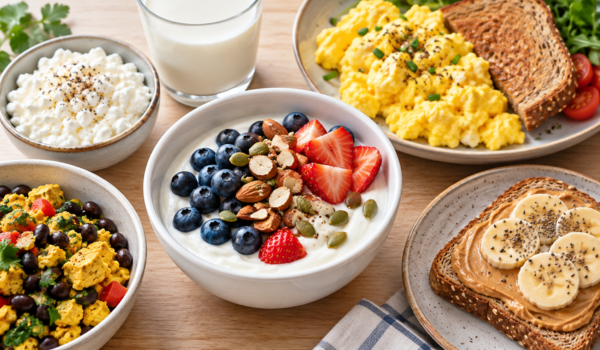
Starting The Day With A Nourishing Breakfast
Breakfast sets the tone for the day.
Including Protein For Satiety
Protein helps control hunger later in the day.
Adding Fiber For Steady Energy
Whole grains and fruits support digestion.
Including Healthy Fats
Fats help maintain fullness and flavor.
Keeping It Simple And Practical
Quick options can still be nourishing.
Mid-Morning Eating Without Overthinking
Snacks can support energy when chosen mindfully.
Eating When Genuinely Hungry
Snacks should respond to hunger, not boredom.
Combining Protein And Carbohydrates
This combination helps stabilize blood sugar.
Choosing Convenient Whole Foods
Fruits, yogurt, or nuts are easy options.
Avoiding Mindless Snacking
Awareness improves satisfaction.
Building A Balanced Lunch That Feels Satisfying
Lunch plays a key role in energy and focus.
Including A Source Of Protein
Protein supports sustained energy.
Adding Color Through Vegetables
Vegetables provide vitamins and fiber.
Choosing Whole Grains When Possible
Whole grains support steady energy.
Including Healthy Fats For Satisfaction
Fats enhance flavor and fullness.
Afternoon Eating Without Energy Crashes
The afternoon can be a challenging time.
Preventing Blood Sugar Dips
Balanced snacks prevent fatigue.
Staying Hydrated
Hydration supports concentration.
Avoiding Excess Caffeine Or Sugar
These can cause energy crashes.
Choosing Nourishing Snacks
Balanced snacks maintain steady energy.
Dinner As A Time For Balance And Enjoyment
Dinner should be satisfying, not stressful.
Focus On Simple Balanced Meals
Protein, vegetables, and carbohydrates work together.
Use Cooking Methods That Enhance Flavor
Roasting or sautéing can improve taste.
Avoid Overthinking Portions
Listening to fullness cues supports balance.
Enjoy Meals Without Distractions
Mindful eating improves satisfaction.
How Snacks Fit Into A Healthy Day
Snacks support energy between meals.
Use Snacks To Prevent Overeating Later
Balanced snacks help control hunger.
Choose Nutrient-Dense Options
Nutrients matter more than calorie counts.
Plan Snacks When Needed
Planning prevents impulsive choices.
Allow Flexibility
Snacks should support, not restrict.
What A Healthy Day Does Not Require
Healthy eating is often misunderstood.
No Need For Perfect Meals
Imperfect meals can still be nourishing.
No Need To Eliminate Favorite Foods
Enjoyment supports sustainability.
No Need For Strict Schedules
Flexibility allows adaptability.
No Need For Food Guilt
Guilt disrupts healthy habits.
How To Adjust A Healthy Day To Your Lifestyle
Everyone’s routine is different.
Busy Schedules
Simple meals can still be nutritious.
Active Lifestyles
Energy needs may increase.
Changing Work Hours
Meal timing can be flexible.
Family Needs
Shared meals can still be balanced.
Building A Healthy Day Over Time
Healthy habits develop gradually.
Start With One Small Change
Small improvements add up.
Repeat What Works
Consistency builds confidence.
Adapt As Life Changes
Flexibility supports long-term success.
Focus On Progress Over Perfection
Growth matters more than ideal outcomes.
The Role Of Mindset In Healthy Eating
Mindset shapes food choices.
Practice Self-Compassion
Kindness encourages consistency.
Avoid Comparison
Everyone’s needs differ.
Focus On How Food Makes You Feel
Energy and comfort are key signals.
View Food As Support, Not Control
Healthy eating should feel empowering.
Conclusion
A “normal” healthy day of eating is not about strict rules or flawless meals. It is about balance, flexibility, and listening to your body’s needs. By choosing nourishing foods most of the time, allowing room for enjoyment, and adapting to daily life, healthy eating becomes sustainable and realistic. When food supports both physical health and mental well-being, it becomes a positive and lasting part of everyday life.

.png)















.png)
.png)
.png)
.png)


.png)
.png)
.png)
.png)
.png)
.png)
.png)
.png)
.png)
.png)



.png)
.png)
.png)
.png)

