
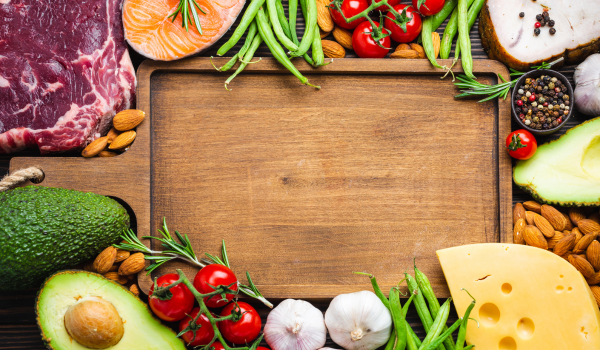
The phrase “balanced diet” is often used in health advice, yet it can feel vague or unrealistic in everyday life. Many people imagine strict rules, perfect meals, or complicated nutrition plans. In reality, a balanced diet is not about perfection, restriction, or eating the same foods every day. It is about creating flexible, sustainable eating patterns that support energy, health, and enjoyment. Understanding what balance truly means helps people make better food choices without stress or confusion.
Why The Idea Of A Balanced Diet Is Often Misunderstood
Confusion around balance can lead to unnecessary frustration.
Balance Is Often Mistaken For Perfection
Many people believe every meal must be perfectly balanced. In practice, balance happens over time, not at every single meal.
Diet Culture Creates Unrealistic Expectations
Trendy diets often label foods as “good” or “bad,” making balance feel restrictive instead of flexible.
Busy Lifestyles Affect Eating Patterns
Work schedules, family responsibilities, and social events naturally create variation in eating habits. A balanced diet adapts to real life rather than fighting it.
Health Messages Are Often Overcomplicated
Conflicting advice can make nutrition feel overwhelming. Balance simplifies decision-making instead of adding more rules.
The Core Components Of A Balanced Diet
A balanced diet includes a variety of foods that work together to support health.
Carbohydrates For Energy And Brain Function
Carbohydrates provide the body’s main energy source. Whole grains, fruits, vegetables, and legumes supply steady energy and fiber.
Protein For Strength And Repair
Protein supports muscle maintenance, immune function, and satiety. Both plant and animal sources contribute to balance.
Healthy Fats For Hormones And Nutrient Absorption
Fats support brain health, hormone production, and absorption of vitamins. Quality matters more than quantity.
Micronutrients For Overall Function
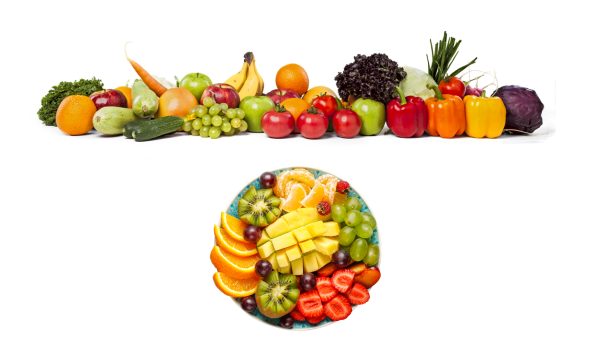
Vitamins and minerals from fruits, vegetables, whole foods, and varied ingredients support immunity, digestion, and metabolism.
Hydration As Part Of Nutrition
Water supports digestion, circulation, temperature regulation, and energy levels. Hydration is often overlooked in discussions of balance.
Balance Is About Patterns, Not Single Meals
One meal does not define overall health.
Daily And Weekly Balance Matters Most
Eating lighter at one meal and heavier at another naturally balances intake over time.
Flexibility Supports Consistency
Rigid rules often lead to burnout. Flexible eating patterns are easier to maintain long term.
Social And Cultural Foods Fit Into Balance
Celebrations, restaurant meals, and traditional foods can be part of a healthy diet without guilt.
Listening To Hunger And Fullness Cues
Balance improves when eating is guided by physical signals rather than strict rules.
What A Balanced Diet Looks Like At Home
Home meals are an opportunity for simple balance.
Using The Plate As A Visual Guide
A balanced plate often includes vegetables, protein, carbohydrates, and healthy fats in reasonable portions.
Including Variety Across The Week
Rotating foods prevents nutrient gaps and keeps meals enjoyable.
Avoiding The Need For Complicated Recipes
Simple meals using familiar foods can still be balanced and nourishing.
Allowing Convenience Without Guilt
Frozen vegetables, canned beans, and ready-to-eat options can support balance when chosen thoughtfully.
How Balance Works When Eating Out Or Traveling
Balance does not disappear outside the home.
Making The Best Choice Available
Choosing meals with protein and vegetables supports balance even when options are limited.
Portion Awareness Matters More Than Perfection
Eating until comfortably full supports balance regardless of food type.
Balancing Across The Day
If one meal is heavier, lighter meals later help maintain overall balance.
Enjoying Food Without Overthinking
Stress-free eating supports better digestion and satisfaction.
The Role Of Moderation In A Balanced Diet
Moderation allows enjoyment without excess.
All Foods Can Fit In Balance
No food must be completely eliminated to eat well.
Frequency Matters More Than Elimination
Occasional indulgences do not disrupt health when overall patterns are supportive.
Avoiding The Restrict-Overeat Cycle
Extreme restriction often leads to overeating. Balance prevents this cycle.
Mindful Enjoyment Improves Satisfaction
Eating treats mindfully often leads to greater enjoyment with smaller amounts.
Common Myths About Balanced Eating
Misconceptions can make balance harder than necessary.
Balanced Eating Is Not The Same As Dieting
A balanced diet supports nourishment, not weight loss alone.
Balanced Diets Are Not Expensive
Affordable staples such as beans, rice, eggs, vegetables, and fruit support balance.
Balance Does Not Mean Eating Less
It means eating appropriately for energy needs and lifestyle.
Healthy Eating Does Not Require Giving Up Taste
Flavor and enjoyment are essential parts of sustainable nutrition.
How A Balanced Diet Supports Long-Term Health
Consistent balance provides lasting benefits.
Supports Stable Energy Levels
Balanced meals prevent energy crashes and improve focus.
Promotes Digestive Health
Fiber, hydration, and variety support gut function.
Supports Heart And Metabolic Health
Balanced intake of fats, carbohydrates, and protein supports cardiovascular wellness.
Encourages A Healthy Relationship With Food
Reducing guilt and stress around eating improves mental well-being.
Building A Balanced Diet In Real Life
Practical steps make balance achievable.
Focus On Adding, Not Restricting
Adding vegetables, protein, and fiber often improves balance naturally.
Plan With Flexibility In Mind
Loose planning allows adjustments without stress.
Keep Balanced Staples Available
Stocking basic foods makes balanced meals easier to assemble.
Accept Imperfect Days
Consistency over time matters more than occasional deviations.
Signs Your Diet Is Balanced Enough
Perfection is not required to feel the benefits.
Steady Energy Throughout The Day
Balanced eating supports fewer highs and lows.
Comfortable Digestion
Regular digestion often reflects adequate fiber and hydration.
Reduced Food Guilt And Stress
Balance encourages a calmer relationship with food.
Sustainable Habits Over Time
If eating patterns feel manageable, balance is likely present.
Conclusion
A balanced diet in everyday life is not about strict rules or perfect meals. It is about flexibility, variety, and consistency over time. By focusing on overall patterns, listening to the body, and allowing enjoyment alongside nourishment, balanced eating becomes realistic and sustainable. Health improves when nutrition supports real life rather than competing with it. Explore more nutrition guides and continue building balanced habits that fit your lifestyle and long-term well-being.

.png)














.png)
.png)
.png)
.png)


.png)
.png)
.png)
.png)
.png)
.png)
.png)
.png)
.png)
.png)



.png)
.png)
.png)
.png)

