
Many people assume that feeling full after eating means their body has everything it needs. But fullness and satisfaction are two different experiences—and both play crucial roles in maintaining a balanced, enjoyable relationship with food. Fullness signals that your stomach has had enough volume, while satisfaction reflects whether a meal truly met your needs—nutritionally, mentally, and emotionally. Understanding the difference helps you eat in a way that leaves you energized, calm, and less likely to overeat later. Learning to honor both signals transforms eating from a mechanical act into a long-term habit of nourishment and enjoyment.
What Fullness Really Means In The Body
Fullness is primarily a physical response.
Fullness Comes From Stomach Stretching
As you eat, receptors in your stomach signal to the brain that space is filling, helping slow or stop eating.
It Does Not Always Reflect Nutritional Needs
Someone can feel physically full after eating a large portion of low-nutrient food but still lack nutrients the body requires.
Fullness Takes Time To Register
Signals can lag behind the eating process, which is why eating slowly often prevents overshooting comfort.
Over-Fullness Can Be Uncomfortable
Eating past fullness pushes the body into digestive strain, leading to sluggishness or bloating.
Fullness is the body’s mechanical way of setting boundaries—but it tells only part of the story.
What Satisfaction Means And Why It Matters
Satisfaction goes beyond quantity—it is the sense that a meal hits the spot.
Satisfaction Reflects Nutritional Completeness
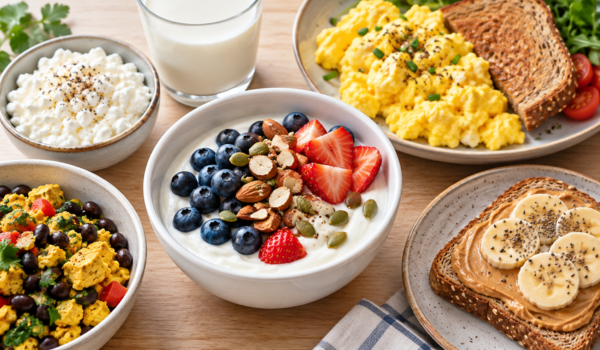
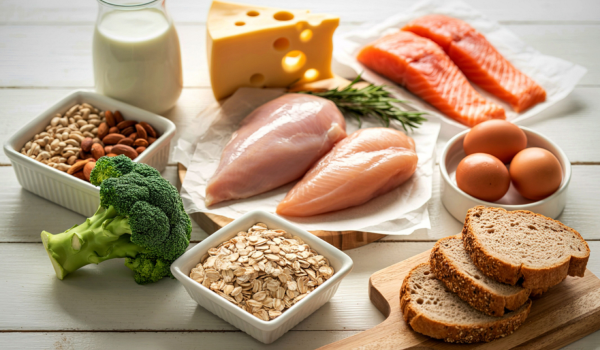
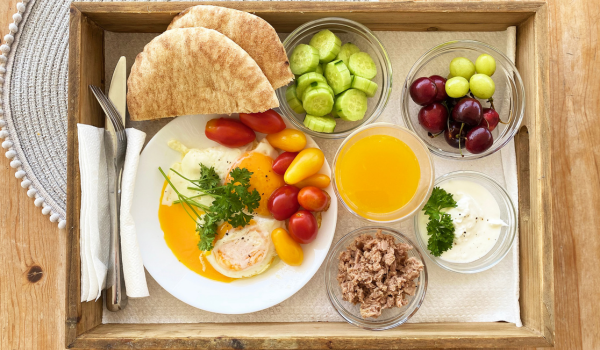
Meals with protein, fiber, fat, and complex carbs leave you full longer because your body has what it needs to function.
Satisfaction Reduces Cravings And Snacking Later
When a meal satisfies you emotionally and physically, you are less likely to keep searching for “something more.”
Enjoyment Is Part Of The Equation
Flavor, texture, temperature, and personal preference all influence whether eating feels complete.
Satisfaction Supports A Healthy Relationship With Food
When meals are enjoyable, food becomes aligned with wellbeing instead of a source of stress.
Satisfaction is the emotional and sensory counterpart to fullness, supporting both health and enjoyment.
Why Fullness Without Satisfaction Leads To Overeating
Feeling full does not guarantee that your appetite needs have been met.
Low-Satisfaction Meals Trigger Cravings
You may feel stuffed, yet hungry for dessert or snacks because the meal was one-dimensional.
Missing Macronutrients Leaves Your Body Unsatisfied
Meals heavy in carbs but low in protein, fat, or fiber fade quickly, prompting more eating sooner.
Restrictive Choices Create Mental Hunger
Cutting out favorite foods often leads to overeating later—even after physical fullness is reached.
Emotional Needs And Food Signals Interact
Feeling unsatisfied can make eating feel compulsive, even when your stomach is full.
Fullness alone cannot stop hunger if satisfaction is missing.
Eating For Satisfaction Prevents Extreme Hunger Later
Well-rounded meals help control appetite throughout the day.
Balanced Meals Keep Hunger Stable
Including protein, healthy fats, and complex carbs slows digestion and keeps you fueled longer.
Satisfaction Reduces The Desire To Compensate Later
When meals feel complete, overeating later in the day becomes less likely.
Emotional And Sensory Content Helps With Control
Enjoying your food decreases the need to “make up for it” with snacks.
Satisfied Eating Supports Routine
With steady appetite and fewer cravings, consistent eating becomes easier and more natural.
Satisfaction helps hunger return gently rather than explosively.
The Role Of Mindful Eating In Recognizing Both Signals
Awareness helps distinguish the difference.
Mindful Eating Slows The Pace
Eating without distraction gives time for fullness signals to arrive before overeating.
Checking In Before, During, And After Meals Helps
Noticing hunger and comfort levels allows you to stop where your body feels best.
Taste Attention Enhances Satisfaction
Focusing on flavor and texture helps you recognize when a meal “hits the spot.”
Mindfulness Helps Avoid Default Eating
Instead of eating until food runs out, you eat until you feel both content and nourished.
Paying attention improves your ability to notice and respond to both physical and emotional needs.
Building Meals That Create Fullness And Satisfaction
The right food structure supports both experiences.
Include Protein In Every Meal
Protein stabilizes energy and increases lasting fullness.
Add Fiber-Rich Foods
Vegetables, legumes, fruits, and whole grains create volume and slow digestion.
Include A Source Of Healthy Fat
Fat adds richness, improves flavor, and contributes to satisfaction.
Honor Personal Cravings
Sometimes a salad needs seeds or cheese—or a sandwich needs real mayo—to feel complete.
Creating balance means including what your body needs and what your taste buds enjoy.
The Emotional Side Of Satisfaction
Eating is not only biological—it is human.
Meals Can Provide Comfort And Belonging
Food shared with others often feels more satisfying than rushed solo eating.
Restricting Enjoyment Creates Rebound Eating
If pleasure is never allowed, cravings intensify and self-control weakens.
Satisfaction Helps End The Meal Peacefully
Feeling emotionally and sensorially content reduces the urge to keep eating beyond comfort.
Food Can Be Enjoyed Without Guilt
Satisfaction is not indulgence—it is part of a balanced, confident approach to nourishment.
Emotional fulfillment is a valid and essential part of eating well.
When Satisfaction And Fullness Work Together
Eating becomes easier when both cues align.
You Stop When Comfortably Full
Not stuffed—but not thinking about food immediately afterward.
Cravings Calm Down
Your body feels nourished and the mind feels content.
Energy Stays Stable Between Meals
Both physical fuel and mental satisfaction carry you through hours of activity.
Eating Feels Enjoyable And Effortless
Less stress, fewer rules—just natural alignment with hunger and fullness.
When both needs are met, appetite becomes a gentle guide rather than a battle.
Conclusion
Satisfaction and fullness are related but separate signals—and understanding both helps create a healthier relationship with food. Fullness reflects the physical capacity of the stomach, while satisfaction measures whether your nutritional, sensory, and emotional needs are met. Eating meals that provide both prevents cravings, supports stable energy, reduces overeating, and builds long-term confidence around food. When you learn to recognize and honor these cues, eating becomes more intuitive, balanced, and enjoyable—bringing you closer to lasting wellbeing, one meal at a time.

.png)







.png)
.png)
.png)
.png)

.png)
.png)
.png)
.png)
.png)
.png)
.png)
.png)
.png)
.png)


.png)
.png)
.png)
.png)