.png)
The term “clean eating” has become increasingly popular, often associated with health, discipline, and wellness. Many people are drawn to it as a way to improve energy, appearance, and overall well-being. However, the concept is frequently misunderstood and sometimes misused. While eating nourishing foods is beneficial, rigid interpretations of “clean eating” can create confusion, stress, and unrealistic expectations. Understanding what clean eating truly means—and what it does not—can help you build a healthier and more balanced relationship with food.
What “Clean Eating” Actually Means
Clean eating does not have one official definition.
Focuses On Whole And Minimally Processed Foods
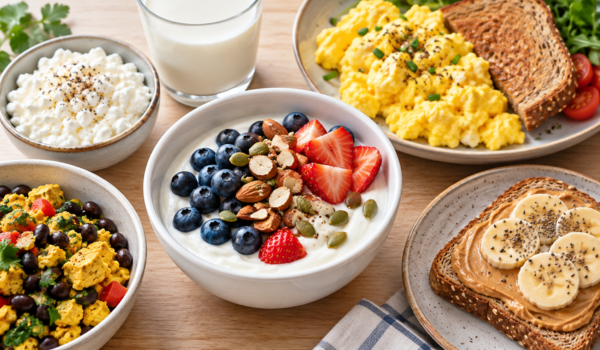
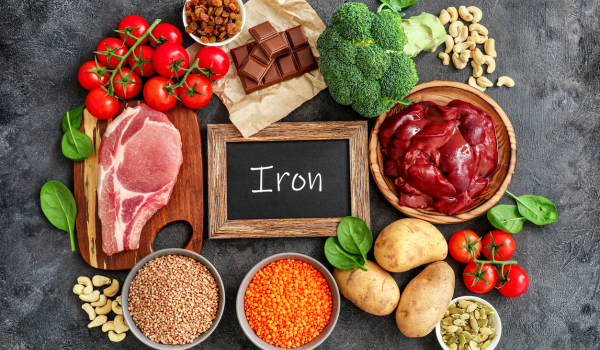
Clean eating generally encourages foods closer to their natural form.
Emphasizes Nutrient Quality
The goal is to choose foods that provide nourishment and energy.
Avoids Excessive Additives
Many people associate clean eating with limiting heavily processed ingredients.
Encourages Mindful Choices
It promotes awareness rather than rigid rules.
Where The Concept Of Clean Eating Comes From
The idea evolved from general health and wellness movements.
Roots In Whole Food Nutrition
Early interpretations focused on natural, unprocessed foods.
Popularized Through Media And Trends
Social media shaped modern perceptions of clean eating.
Often Simplified Or Misrepresented
Nuance is frequently lost in popular messaging.
Evolved Into A Lifestyle Label
Clean eating became associated with identity rather than balance.
When Clean Eating Becomes Misleading
Problems arise when clean eating turns into rigid rules.
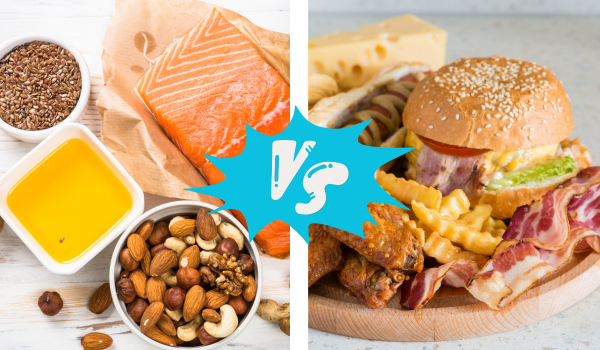
Labeling Foods As “Good” Or “Bad”
This mindset can create unnecessary guilt.
Over-Restriction Can Limit Nutrition
Avoiding entire food groups may reduce nutrient intake.
Perfection Becomes The Goal
This can create stress and unrealistic expectations.
Flexibility Gets Lost
Rigid rules make long-term sustainability difficult.
The Psychological Impact Of Food Labeling
Language influences how people relate to food.
Moralizing Food Choices Creates Pressure
Foods labeled as “bad” can trigger guilt.
Food Anxiety Can Increase
Constant worry affects enjoyment and well-being.
Restriction Often Leads To Overeating
Deprivation can intensify cravings.
A Healthy Mindset Encourages Balance
Food should support both physical and mental health.
What Truly Matters In A Balanced Diet
Health is shaped by overall patterns, not single choices.
Consistency Matters More Than Perfection
Regular habits have greater impact than occasional indulgence.
Nutrient Variety Supports Overall Health
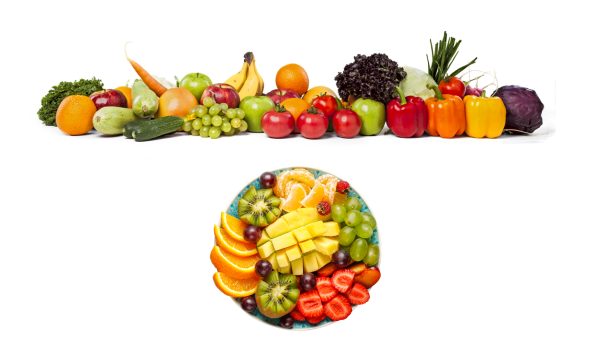
Diverse foods provide a broader nutrient range.
Flexibility Encourages Sustainability
Balanced eating adapts to real life.
Enjoyment Plays An Important Role
Pleasure supports long-term habits.
How To Approach Clean Eating In A Balanced Way
A flexible approach supports well-being.
Focus On Adding, Not Eliminating
Adding nourishing foods feels less restrictive.
Prioritize Whole Foods Most Of The Time
Balance allows room for flexibility.
Listen To Hunger And Fullness Cues
Your body provides guidance.
Allow Room For Enjoyment
Enjoying food supports emotional health.
The Role Of Moderation In Healthy Eating
Moderation supports both health and satisfaction.
All Foods Can Fit
Balance matters more than exclusion.
Portion Awareness Supports Comfort
Listening to your body helps regulate intake.
Regular Eating Prevents Extremes
Consistency reduces overeating.
Enjoyment Supports Sustainability
Pleasure encourages long-term habits.
How Clean Eating Can Support Well-Being
When approached wisely, clean eating can be beneficial.
Encourages Nutrient-Dense Choices
Whole foods support body functions.
Supports Stable Energy Levels
Balanced meals help prevent crashes.
Promotes Digestive Comfort
Whole foods support gut health.
Encourages Mindful Eating
Awareness improves food relationships.
Recognizing When Clean Eating Becomes Harmful
Balance is key to maintaining health.
Obsessive Food Rules
Rigid rules can create stress.
Fear Of Eating Certain Foods
Avoidance may limit nutrition.
Social Isolation Around Food
Avoiding social meals can impact well-being.
Loss Of Enjoyment
Eating should not feel stressful.
Building A Healthy Relationship With Food
A healthy relationship supports long-term wellness.
Trust Your Body’s Signals
Hunger and fullness provide guidance.
Let Go Of Food Guilt
Eating is not a moral decision.
Focus On How Food Makes You Feel
Energy and comfort matter most.
Practice Self-Compassion
Progress matters more than perfection.
How To Create A Sustainable Eating Pattern
Sustainability supports lifelong health.
Choose Foods You Enjoy
Enjoyment encourages consistency.
Be Flexible With Choices
Adaptability supports balance.
Plan Without Overcontrolling
Structure helps without pressure.
Allow Variety In Your Diet
Variety supports nutritional balance.
The Long-Term View Of Healthy Eating
Healthy eating is a lifelong journey.
Habits Matter More Than Trends
Long-term behavior drives health.
Small Changes Add Up
Consistency creates results.
Health Is Multifaceted
Nutrition is one part of overall well-being.
Balance Leads To Sustainability
Flexibility supports long-term success.
Conclusion
Clean eating does not need to be strict, rigid, or stressful. When approached with balance and flexibility, it can support nourishment, energy, and overall well-being without creating unnecessary pressure. True health comes from consistency, self-awareness, and enjoying a wide variety of foods. By focusing on long-term habits rather than perfection, you can build a positive, sustainable relationship with food that supports both body and mind.

.png)















.png)
.png)
.png)
.png)


.png)
.png)
.png)
.png)
.png)
.png)
.png)
.png)
.png)
.png)



.png)
.png)
.png)
.png)