
.png)
Why Your Diet Plays a Bigger Role in Sleep Than You Think
Many people struggle with falling asleep, staying asleep, or waking up feeling tired even after a full night in bed. While stress, lifestyle, screen time, and sleep environment are major factors, nutrition is another important piece of the puzzle. What you eat throughout the day—especially in the hours before bedtime—can influence hormones, digestion, and brain chemistry linked to sleep.
This article explores how nutrition impacts sleep quality, which foods may support a more restful night, and how daily eating habits can help regulate your natural sleep–wake cycle.
How Nutrition Influences the Sleep–Wake Cycle
The body’s sleep cycle is regulated by hormones and neurotransmitters such as melatonin, serotonin, and GABA. Certain nutrients support the production and balance of these chemicals.
Key ways nutrition affects sleep:
-
Influences melatonin production
-
Regulates blood sugar stability
-
Supports muscle relaxation
-
Promotes healthy digestion at night
-
Provides precursors for calming neurotransmitters
Understanding these connections helps you make dietary choices that complement healthier sleep patterns.
Tryptophan-Rich Foods for Melatonin and Serotonin Support
Tryptophan is an essential amino acid that acts as a building block for serotonin and melatonin—both important for sleep regulation.
Why tryptophan matters
Serotonin helps stabilize mood and relaxation during the day, while melatonin regulates your body’s ability to fall asleep at night.
Helpful food sources include:
-
Turkey
-
Chicken
-
Eggs
-
Milk and yogurt
-
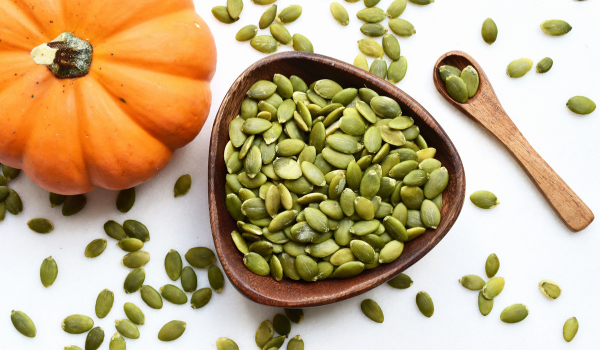
Pumpkin seeds
-
Tofu
-
Oats
Including tryptophan-rich foods in your dinner or evening snack may support natural wind-down signals.
Complex Carbohydrates for Smooth Digestion and Stable Energy
Carbohydrates help your body absorb tryptophan more effectively. However, choosing the right type of carbs matters.
Why complex carbs help sleep
They provide slow, steady energy release and avoid the sharp blood sugar spikes that may disrupt nighttime rest.
Examples of sleep-supportive carbs:
-
Brown rice
-
Quinoa
-
Oats
-
Sweet potatoes
-
Whole-wheat pasta
Balanced meals combining protein + complex carbs may promote a calmer, more relaxed state.
Magnesium: A Mineral That Helps Relax the Body
Magnesium is known for its calming effects on the nervous system and muscles.
How magnesium supports sleep
It plays a role in GABA activity, a neurotransmitter that encourages deep relaxation.
Magnesium-rich foods include:
-
Leafy greens
-
Almonds
-
Cashews
-
Pumpkin seeds
-
Black beans
-
Whole grains
Low magnesium intake may contribute to tense muscles, restlessness, or difficulty falling asleep.
Healthy Fats for Hormone Balance and Nighttime Stability
Hormones related to sleep rely on healthy fat intake to function properly.
Why healthy fats matter
They help regulate hormones, reduce inflammation, and support steady energy—a combination that supports nighttime recovery.
Good sources:
-
Avocado
-
Fatty fish (salmon, sardines)
-
Olive oil
-
Nuts and seeds
Including these fats in daily meals helps maintain brain and hormone balance.
Foods Rich in Calcium and Vitamin D for Melatonin Production
Calcium helps the brain convert tryptophan into melatonin, while vitamin D plays a role in mood and sleep regulation.
Calcium-rich foods:
-
Milk
-
Yogurt
-
Cheese
-
Kale
-
Sardines
Vitamin D sources:
-
Fatty fish
-
Eggs
-
Fortified milk
-
Sunlight exposure
A balance of these nutrients may support a healthier sleep rhythm.
Herbal Teas and Natural Relaxing Drinks
Some drinks can promote calmness and help prepare your body for rest.
Calming drink options include:
-
Chamomile tea
-
Lavender tea
-
Lemon balm tea
-
Warm milk
-
Ginger tea
These teas may help reduce tension or digestive discomfort that interferes with sleep.
Avoiding Stimulants and Sleep-Disrupting Foods
What you avoid is just as important as what you include.
Foods and drinks that may impact sleep:
-
Coffee and caffeinated teas (especially late afternoon)
-
Energy drinks
-
Dark chocolate (in the evening)
-
Spicy foods
-
Heavy, greasy meals
-
Alcohol
These options can increase heart rate, irritate digestion, or disrupt the natural sleep cycle.
Hydration and Its Impact on Nighttime Rest
Proper hydration supports digestion, temperature regulation, and muscle relaxation.
Key tips:
-
Drink water consistently throughout the day
-
Avoid excessive liquids right before bedtime to reduce wakeups
-
Choose herbal teas in the evening
Mild dehydration may cause headaches or muscle tension that interferes with rest.
The Gut–Brain Connection and Sleep
Your gut communicates with the brain through the “gut–brain axis,” influencing relaxation and stress levels.
Helpful gut-supporting foods:
-
Yogurt
-
Kefir
-
Sauerkraut
-
Kimchi
-
Fiber-rich vegetables
-
Whole grains
A balanced gut microbiome may support calmer nights and better sleep continuity.
Light Dinner Choices for Better Sleep Quality
Heavy meals close to bedtime may cause discomfort, bloating, or acid reflux.
Better evening options include:
-
Lean proteins (chicken, tofu, fish)
-
Steamed vegetables
-
Whole grains
-
A small serving of yogurt or nuts as a protein-rich snack
Eating dinner 2–3 hours before bed can support smoother digestion.
Practical Meal Ideas for Supporting Better Sleep
Breakfast ideas
-
Oatmeal with bananas and pumpkin seeds
-
Yogurt with berries and chia seeds
-
Eggs with whole-grain toast
Lunch options
-
Salmon bowl with vegetables
-
Lentil soup
-
Quinoa salad
Dinner ideas
-
Grilled chicken with sweet potato
-
Stir-fried tofu and vegetables
-
Brown rice with steamed greens
Evening snacks
-
A handful of almonds
-
Warm milk
-
Banana slices
-
Greek yogurt
These meals balance protein, fiber, and calming nutrients.
Conclusion
Nutrition plays an important role in supporting healthy sleep patterns. While food alone cannot solve chronic sleep issues, nourishing your body with calming nutrients—such as magnesium, tryptophan, calcium, healthy fats, and complex carbohydrates—can create a strong foundation for more restful nights. By making mindful choices throughout the day and avoiding stimulants before bed, you can support a more natural, balanced sleep cycle.
Explore more ways to build routines that promote deeper, more restorative rest.


.png)



















.png)
.png)
.png)
.png)


.png)
.png)
.png)
.png)
.png)
.png)
.png)
.png)
.png)
.png)




.png)
.png)
.png)
.png)

