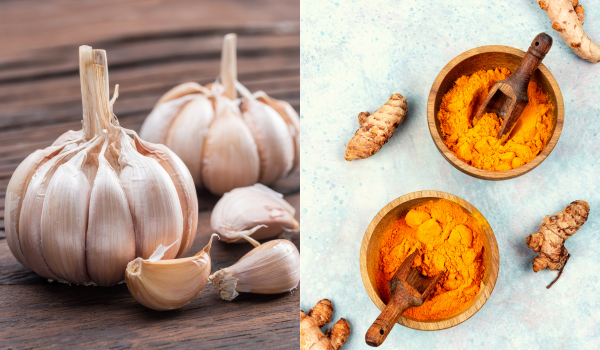
Garlic (Allium sativum) and turmeric (Curcuma longa) are familiar kitchen staples known for their strong flavors and long-standing roles in traditional medicine. Beyond cooking, both contain bioactive compounds with anti-inflammatory and antioxidant properties that may support immune health.
When consumed together, garlic and turmeric may offer complementary benefits, potentially strengthening the body’s defenses against infections while supporting overall wellness.
Benefits Of Turmeric
Turmeric is a vibrant yellow spice derived from the root of the Curcuma longa plant and has been used for centuries in Ayurvedic and traditional Chinese medicine. Its main active compound, curcumin, is responsible for many of its health-promoting properties.
Chronic Disease Support
Curcumin may help reduce long-term inflammation, which plays a role in conditions such as arthritis, inflammatory bowel disease, and depression. By targeting inflammatory pathways, turmeric may help lower the risk of chronic disease development.
Heart Health Support
Research suggests curcumin may help improve blood vessel function and support healthier cholesterol and blood pressure levels, all of which are important for cardiovascular health.
Brain And Cognitive Health
Turmeric’s antioxidant and anti-inflammatory effects may help protect brain cells from age-related damage. Some studies link curcumin to potential protection against cognitive decline and neurodegenerative conditions.
Gut Health Support
Curcumin may help regulate the gut-brain axis and reduce digestive inflammation. This could benefit people with gastrointestinal discomfort or inflammatory gut conditions.
Benefits Of Garlic
Garlic is widely used in both culinary and traditional medicinal practices. Although technically a root, it functions as a spice rich in sulfur-containing compounds and antioxidants.
Disease Prevention Support
Garlic contains organosulfur compounds that may reduce oxidative stress and inflammation, helping protect cells from damage associated with chronic diseases.
Immune System Support
Garlic has demonstrated antimicrobial and antiviral properties. Regular consumption may help support the immune system’s ability to fight common infections such as colds and respiratory illnesses.
Brain Health Protection
Some evidence suggests garlic may help protect against cognitive decline by reducing oxidative stress in brain tissue.
Liver Health Support
Garlic may help reduce fat accumulation in the liver, potentially lowering the risk of fatty liver disease in some individuals.
Can Taking Turmeric And Garlic Together Boost Immunity?
Both turmeric and garlic independently support immune health, but combining them may amplify their effects.
Complementary Immune Effects
Curcumin helps regulate inflammation and oxidative stress, while garlic supports immune defenses through antimicrobial activity. Together, they may promote a balanced immune response.
Potential Enhanced Protection
Some research suggests combining turmeric and garlic could improve immune resilience and reduce the risk of infections and inflammation-related diseases. However, more human studies are needed to confirm these combined effects.
How To Take Turmeric And Garlic Together
Turmeric and garlic can be consumed in multiple forms depending on preference and tolerance.
Drink As A Tea
Both ingredients can be brewed into a warm tea. Turmeric tea is often made using ground turmeric, while garlic tea uses crushed fresh cloves. Combining both may create a soothing, immune-supporting drink.
Use As Cooking Spices
Turmeric and garlic pair well in savory dishes such as curries, soups, stews, and marinades. Cooking with these spices allows for regular intake in moderate, food-based amounts.
Take As Supplements
Supplements containing turmeric (or curcumin) and garlic are widely available. Curcumin is often better absorbed when taken with black pepper or dietary fat. Garlic supplements vary in form and dosage, depending on preparation.
Safety And Considerations
While turmeric and garlic are generally safe when consumed in food amounts, combining them may increase certain risks.
Blood-Thinning Effects
Both turmeric and garlic may reduce blood clotting. People taking anticoagulant medications should consult a healthcare provider before consuming high doses or supplements.
Pregnancy And Medical Conditions
Pregnant individuals and people with liver conditions or bleeding disorders should seek medical guidance before using turmeric or garlic supplements.
Possible Side Effects
Turmeric Side Effects
High doses may cause digestive upset, nausea, or, in rare cases, liver-related issues.
Garlic Side Effects
Large amounts of garlic may cause bloating, gas, heartburn, or strong body odor.
Bottom Line
Garlic and turmeric are nutrient-rich roots with well-documented anti-inflammatory and antioxidant properties. When used together, they may support immune function, heart health, brain health, and digestion.
They can be safely incorporated into meals, teas, or supplements for most healthy adults, though dosage and individual tolerance should be considered. Consulting a healthcare provider is recommended before starting concentrated supplements.


.png)












.png)
.png)
.png)
.png)

.png)
.png)
.png)
.png)
.png)
.png)
.png)
.png)
.png)
.png)



.png)
.png)
.png)
.png)