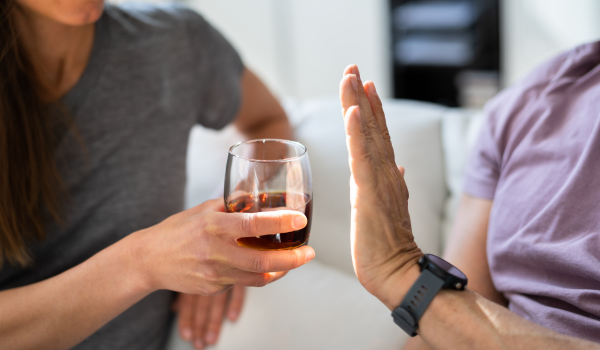
More people try “Dry January” each year to see how alcohol affects their body and mind. Even a short break from drinking can trigger noticeable improvements, depending on how often—and how much—someone drinks. Research shows benefits can appear surprisingly fast.
You May Feel Less Bloated and More Hydrated
Alcohol causes your kidneys to release more water, which can lead to dehydration. When that happens, the body may retain water and cause bloating or puffiness.
Dehydration also slows digestion, which can trigger constipation and more discomfort. Once alcohol is removed, hydration levels start recovering, helping reduce bloating and restoring healthy digestion.
Sleep Quality Often Improves After an Adjustment Period
Alcohol can help you fall asleep more quickly but disrupts REM sleep, which is essential for memory and brain recovery. As a result, sleep may feel shallow or broken.
The first week alcohol-free may include restlessness or vivid dreams as your brain adjusts. After that transition period, deeper, more restorative sleep usually follows—often improving attention, motivation, and energy in the morning.
Mood and Mental Clarity Can Become More Stable
Alcohol disrupts neurotransmitters related to mood, stress, and focus. Removing alcohol helps those chemicals find balance again, which often results in better mood stability and fewer emotional swings.
Some people—especially frequent drinkers—may experience early irritability or anxiety as the body readjusts. Over time, clearer thinking, more consistent moods, and improved stress response commonly follow.
Skin May Look Brighter and Digestion May Feel Better
Alcohol can dry out the skin and increase inflammation, which may contribute to redness, dullness, and puffiness. Removing alcohol gives the body a chance to rehydrate, which can improve skin tone and elasticity.
Alcohol irritates the digestive tract and alters the gut microbiome. After a few weeks alcohol-free, digestive comfort often improves, stomach irritation may lessen, and nutrient absorption can become more efficient.
You May Crave Sweets Before Your Appetite Stabilizes
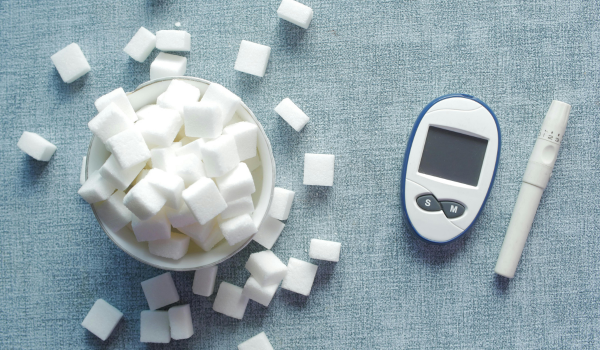
Alcohol and sugar activate similar reward pathways in the brain. When alcohol is removed, cravings for sweet foods often increase, especially in the first one to two weeks.
These cravings typically fade as brain chemistry normalizes. Appetite regulation improves, and many people naturally reduce calorie intake—especially if avoiding sugary substitutes—supporting gradual weight loss.
Heart, Liver, and Metabolic Health May Start to Improve
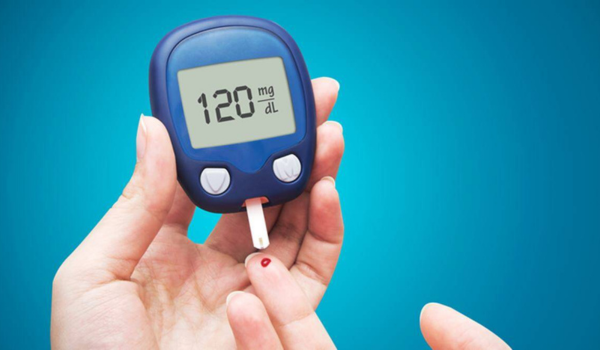
Studies show that a month without alcohol can help lower blood pressure, reduce liver fat, stabilize blood sugar, and support immune and metabolic recovery.
The liver takes on the biggest burden when processing alcohol. Removing alcohol gives it time to repair cells, clear toxins, and reduce inflammation—important steps toward long-term organ health.
What to Keep in Mind When Cutting Back
Everyone responds differently. Light and social drinkers may notice mild changes, while people who drank frequently may see more dramatic early effects due to nervous system adaptation.
Progress doesn’t require absolute abstinence. Even reducing intake—choosing alcohol-free days, shrinking portion sizes, or alternating drinks with water—can offer measurable benefits.
When to Seek Medical Support
For light or occasional drinkers, Dry January is typically safe and simple to try. However, those who drink heavily or daily should get medical guidance before quitting abruptly.
Stopping suddenly can trigger withdrawal symptoms such as nausea, shaking, rapid heartbeat, or dangerous spikes in blood pressure. Anyone with a history of dependence or withdrawal should talk with a doctor before stopping.


.png)



.png)
.png)
.png)
.png)

.png)
.png)
.png)
.png)
.png)
.png)
.png)
.png)
.png)
.png)



.png)
.png)
.png)
.png)