
.png)
Busy American families juggle work schedules, school routines, household responsibilities, and limited time for meal planning. Grocery shopping often becomes rushed, leading to impulse purchases, unhealthy food choices, and higher food costs. Smart grocery shopping is not about perfection or expensive products—it is about planning, prioritizing nutrition, and using time efficiently. With the right strategies, families can shop smarter, eat better, and reduce stress while maintaining a balanced and realistic lifestyle.
Understanding The Challenges Busy Families Face At The Grocery Store
Time constraints and competing priorities influence how families shop for food.
Limited Time For Planning And Shopping
Many families shop after work or on weekends with little time to plan. This increases reliance on convenience foods and last-minute decisions.
Balancing Nutrition With Budget
Feeding a family requires balancing health goals with financial realities. Healthy food is often perceived as expensive, even though smart planning can make it affordable.
Managing Different Preferences And Needs
Parents often shop for multiple age groups, dietary preferences, and activity levels. This makes grocery decisions more complex.
Impulse Buying And Marketing Traps
Store layouts, promotions, and packaging encourage impulse purchases, which often add processed snacks and sugary foods to carts.
Planning Before You Shop To Save Time And Money
Preparation is the foundation of smart grocery shopping.
Create A Simple Weekly Meal Plan
A basic plan outlining breakfasts, lunches, dinners, and snacks reduces guesswork. Meals do not need to be elaborate—simple, repeatable options save time and energy.
Build A Consistent Grocery List
A list organized by food category keeps shopping focused and efficient. Families who use lists are less likely to overspend or forget essentials.
Check What You Already Have At Home
Reviewing the refrigerator, freezer, and pantry prevents duplicate purchases and reduces food waste.
Set A Realistic Food Budget
Having a budget encourages mindful spending and helps families prioritize nutrient-dense foods over convenience items.
Choosing Nutrient-Dense Foods For Family Health
Smart grocery shopping focuses on foods that provide lasting nourishment.
Prioritize Whole Foods First
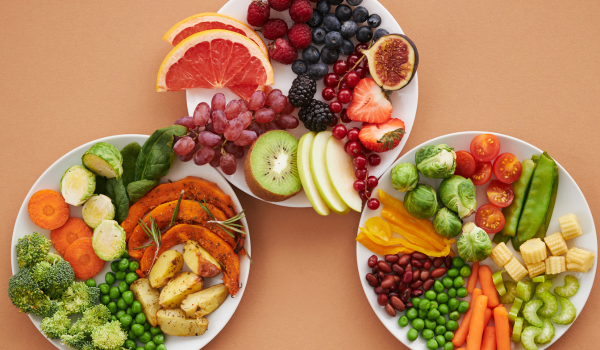
Whole foods such as vegetables, fruits, lean proteins, whole grains, and healthy fats form the foundation of balanced family meals.
Stock Versatile Ingredients
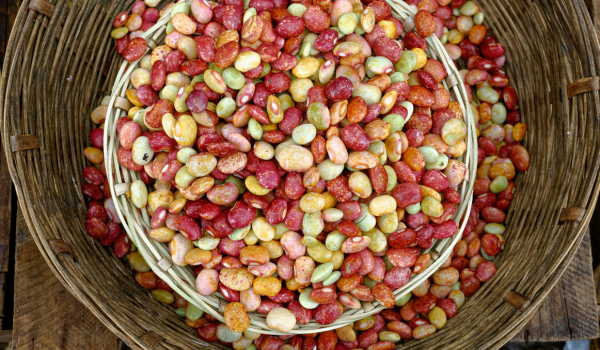
Foods that work across multiple meals save time and money. Examples include chicken, eggs, rice, beans, oats, frozen vegetables, and yogurt.
Use Frozen And Canned Foods Wisely
Frozen vegetables and fruits retain nutrients and reduce prep time. Canned beans, tomatoes, and tuna are affordable and shelf-stable options when sodium is kept in check.
Focus On Fiber And Protein
Foods rich in fiber and protein keep family members full longer and support stable energy throughout the day.
Smart Shopping Strategies Inside The Store
How families navigate the store affects both health and spending.
Shop The Perimeter First
Most fresh foods—produce, dairy, meat, and eggs—are located around the perimeter. Starting here ensures nutrient-rich items go into the cart first.
Read Nutrition Labels Quickly
Looking at serving size, added sugars, fiber, and sodium helps families make informed choices without overanalyzing every product.
Avoid Shopping When Hungry
Hunger increases impulse buying and cravings for high-calorie snacks. Shopping after a meal leads to better decisions.
Stick To Familiar Brands And Foods
While trying new foods is beneficial, sticking mostly to trusted staples keeps shopping efficient and predictable.
Limit Ultra-Processed Snacks
Chips, sugary cereals, candy, and packaged desserts add calories without nutritional value and often increase grocery bills.
Budget-Friendly Grocery Shopping For Families
Healthy eating does not require premium prices.
Buy Seasonal Produce
Seasonal fruits and vegetables are more affordable and flavorful. Farmers’ markets and local stores often offer competitive pricing.
Choose Store Brands Over Name Brands
Store-brand items usually offer the same nutritional value at a lower cost.
Purchase In Bulk When Appropriate
Buying grains, beans, frozen foods, and proteins in bulk reduces cost per serving when storage space allows.
Plan For Leftovers And Repurposing Meals
Cooking once and using leftovers for lunches or next-day dinners saves money and time.
Compare Unit Prices Instead Of Package Prices
Unit pricing helps families identify the best value regardless of package size.
Making Grocery Shopping Easier With Kids
Shopping with children can be challenging but manageable with structure.
Set Expectations Before Entering The Store
Explaining what the trip involves and how long it will take helps reduce distractions and conflicts.
Involve Kids In Choosing Healthy Foods
Allowing children to pick fruits, vegetables, or snacks encourages healthier eating habits and cooperation.
Avoid The Snack Aisles When Possible
Limiting exposure to high-sugar and highly marketed foods reduces requests and impulse buys.
Use Grocery Trips As Learning Opportunities
Teaching children about food groups, labels, and meal planning builds long-term nutrition awareness.
Using Technology And Services To Save Time
Modern tools help families streamline grocery shopping.
Online Grocery Ordering And Pickup
Ordering online reduces impulse buying and saves time. Pickup services are often free with minimum purchases.
Grocery Delivery For Busy Weeks
Delivery services are useful during especially busy periods or illness, keeping families stocked without stress.
Meal Planning And Grocery Apps
Apps help generate shopping lists, track budgets, and save favorite meals, simplifying weekly routines.
Digital Coupons And Loyalty Programs
Store apps and loyalty programs offer discounts on frequently purchased items, reducing overall costs.
Creating A Balanced Grocery Cart For The Week
A balanced grocery cart supports easy meal preparation.
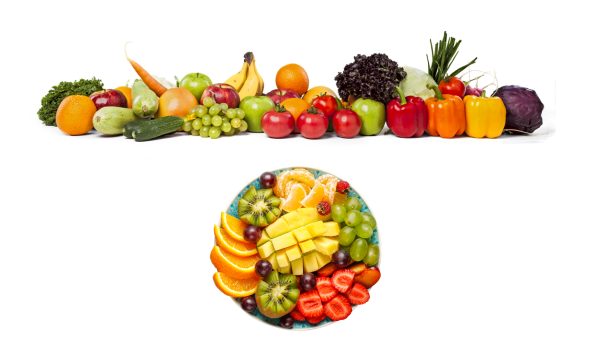
Vegetables And Fruits
Fresh, frozen, or canned options should fill a large portion of the cart to support fiber and micronutrient intake.
Protein Sources
Lean meats, eggs, beans, lentils, tofu, fish, and dairy support growth, energy, and muscle health.
Whole Grains And Complex Carbs
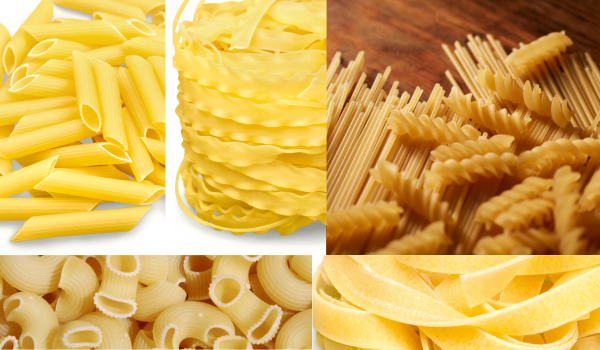
Brown rice, oats, whole wheat bread, pasta, quinoa, and potatoes provide sustained energy.
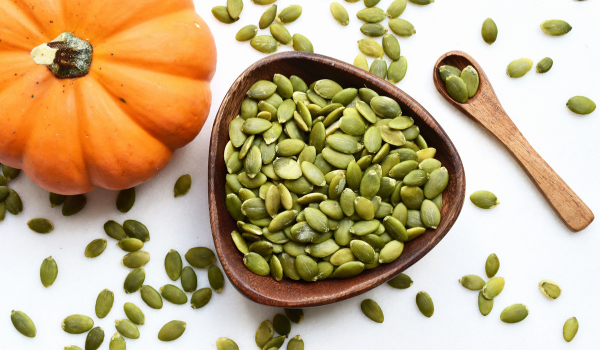
Healthy Fats
Olive oil, nuts, seeds, and avocado support heart health and nutrient absorption.
Simple Snacks
Yogurt, fruit, nuts, cheese, and whole grain crackers provide quick nourishment without excessive sugar.
Common Grocery Shopping Mistakes To Avoid
Awareness prevents repeated challenges.
Buying Too Much At Once
Overbuying increases food waste and overwhelms meal planning efforts.
Ignoring Nutrition For Convenience
Relying heavily on ready-made meals often increases sodium and added sugar intake.
Not Planning For Busy Evenings
Without quick meal options, families may default to takeout or fast food.
Focusing Only On Price Instead Of Value
Cheapest options are not always the best choice when nutrition and portion size are considered.
Conclusion
Smart grocery shopping helps busy American families save time, manage budgets, and support long-term health. With simple planning, strategic store navigation, and thoughtful food choices, families can build nourishing meals without added stress. Consistent habits—rather than perfection—lead to better outcomes for both health and household routines. Explore more nutrition guides and start applying these grocery shopping strategies to create healthier, more manageable family meals.



.png)
















.png)
.png)
.png)
.png)


.png)
.png)
.png)
.png)
.png)
.png)
.png)
.png)
.png)
.png)



.png)
.png)
.png)
.png)

