
.png)
Eating healthier does not mean giving up flavor, comfort, or satisfaction. In fact, some of the most effective changes come from small, simple food swaps that improve nutrition without making meals feel restrictive. By choosing smarter alternatives, it is possible to enhance nutrient intake, maintain enjoyment, and support long-term health. These small adjustments can fit seamlessly into daily routines, making healthy eating feel natural rather than forced.
Why Simple Food Swaps Are More Effective Than Strict Diets
Extreme dietary changes often fail because they feel unsustainable.
Small Changes Are Easier To Maintain
Simple substitutions fit naturally into daily habits.
Consistency Creates Long-Term Results
Minor adjustments practiced regularly lead to lasting improvements.
No Feelings Of Deprivation
Healthy swaps allow enjoyment without guilt.
Better Nutrition Without Extra Effort
Swapping ingredients can improve meals without extra cooking.
Understanding The Power Of Nutrient-Dense Choices
Nutrient-dense foods provide more nourishment per bite.
More Nutrients, Fewer Empty Calories
These foods deliver vitamins, minerals, and fiber without excess calories.
Improved Energy Levels
Nutrient-rich foods support sustained energy throughout the day.
Better Satiety And Fullness
Foods high in fiber and protein help control appetite.
Support For Long-Term Health
Consistent nutrient intake supports overall wellness.
Smarter Carbohydrate Swaps For Steady Energy
Carbohydrates play an important role when chosen wisely.
Swap Refined Grains For Whole Grains
Whole grains provide fiber and long-lasting energy.
Choose Sweet Potatoes Over White Potatoes
They offer more nutrients and steady energy.
Replace White Bread With Whole-Grain Options
Whole grains support digestion and fullness.
Use Oats Instead Of Sugary Cereals
Oats provide fiber and stable energy release.
Healthier Protein Swaps Without Losing Flavor
Protein is essential for strength and satiety.
Choose Lean Proteins Over Processed Meats
Lean meats reduce excess saturated fat intake.
Swap Fried Proteins For Grilled Or Baked Options
This reduces unnecessary fats while preserving flavor.
Include Plant-Based Protein Options
Beans, lentils, and tofu add variety and fiber.
Balance Protein Portions
Moderate portions support digestion and energy.
Simple Fat Swaps That Support Heart Health
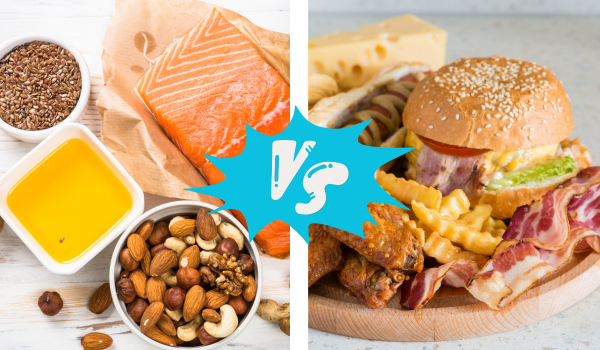
Not all fats are created equal.
Use Healthy Oils Instead Of Butter
Oils like olive oil support heart health.
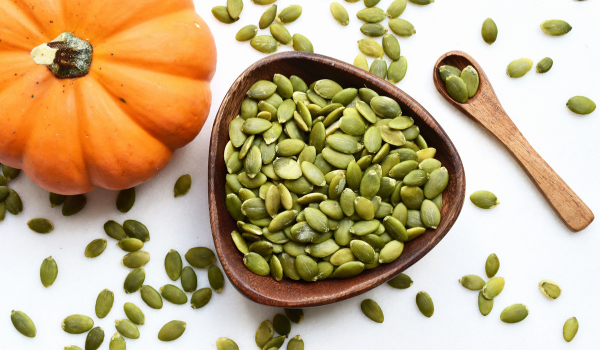
Choose Nuts Or Seeds Over Processed Snacks
They provide healthy fats and nutrients.
Use Avocado As A Spread Alternative
Avocado offers healthy fats and fiber.
Limit Trans And Highly Processed Fats
Reducing these improves overall health.
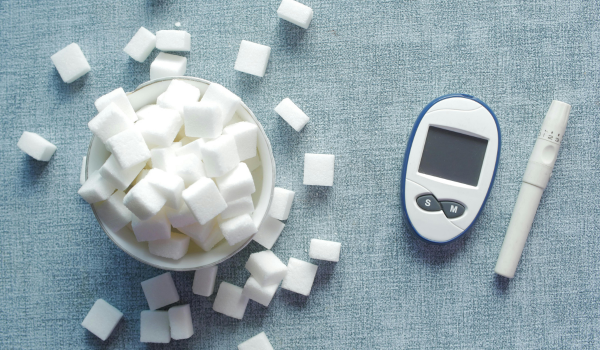
Smart Swaps For Sugar Reduction
Reducing added sugar supports energy balance.
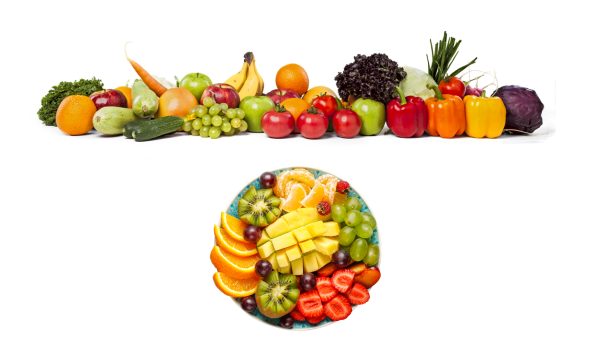
Choose Fresh Fruit Instead Of Sugary Desserts
Fruit provides natural sweetness and nutrients.
Use Natural Sweeteners In Moderation
Small amounts can satisfy cravings.
Replace Sugary Drinks With Water Or Herbal Tea
Hydration supports overall health.
Read Labels To Identify Hidden Sugars
Awareness helps reduce excess intake.
Making Healthier Snack Choices
Snacks can support energy when chosen wisely.
Pair Protein With Fiber
This combination promotes fullness.
Choose Whole Foods Over Packaged Snacks
Whole foods provide more nutrition.
Plan Snacks Ahead Of Time
Preparation prevents impulsive choices.
Focus On Portion Awareness
Moderation supports balance.
Improving Meals Without Changing Favorite Foods
Small adjustments can upgrade familiar meals.
Add Vegetables To Favorite Dishes
Vegetables increase fiber and nutrients.
Reduce Sauces And Add Herbs Instead
Herbs enhance flavor without excess calories.
Balance Plates With Protein And Fiber
Balanced meals improve satisfaction.
Modify Cooking Methods
Grilling or baking can reduce added fats.
Making Healthier Choices When Eating Out
Eating out can still support healthy habits.
Choose Grilled Or Baked Options
These methods reduce unnecessary fats.
Request Sauces On The Side
This helps control portions.
Share Large Portions
Sharing helps prevent overeating.
Focus On Balance Rather Than Perfection
Enjoy meals while maintaining awareness.
Building Long-Term Habits With Simple Swaps
Consistency leads to lasting success.
Focus On One Change At A Time
Gradual changes are easier to maintain.
Repeat Healthy Choices Often
Repetition builds habits.
Adjust Based On Lifestyle Needs
Flexibility supports sustainability.
Celebrate Progress Along The Way
Small wins encourage continued effort.
How Smart Food Swaps Support Overall Wellness
Healthy swaps influence multiple areas of health.
Support Digestive Health
Fiber-rich foods aid digestion.
Promote Stable Energy Levels
Balanced meals reduce energy fluctuations.
Encourage Heart And Brain Health
Nutrient-dense foods support vital functions.
Enhance Overall Quality Of Life
Better nutrition supports daily well-being.
Making Healthy Eating Enjoyable And Sustainable
Enjoyment plays a key role in consistency.
Choose Foods You Genuinely Enjoy
Enjoyment encourages adherence.
Avoid All-Or-Nothing Thinking
Flexibility supports balance.
Explore New Flavors And Textures
Variety keeps meals interesting.
Build Confidence Through Small Wins
Success builds momentum.
Conclusion
Making meals healthier does not require drastic changes or giving up favorite foods. Simple, thoughtful food swaps can significantly improve nutrition while preserving flavor and satisfaction. By focusing on small, manageable changes, individuals can build healthier eating habits that last. Over time, these simple choices create a strong foundation for better energy, improved well-being, and long-term health.

.png)













.png)
.png)
.png)
.png)


.png)
.png)
.png)
.png)
.png)
.png)
.png)
.png)
.png)
.png)



.png)
.png)
.png)
.png)

