
.png)
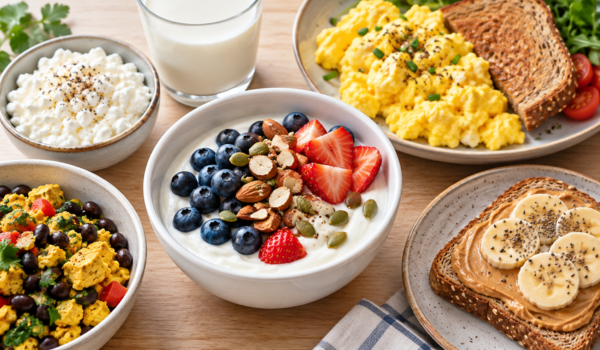
Eating healthier does not require a complete lifestyle overhaul or strict meal plans. Many people believe that improving nutrition means giving up favorite foods, spending hours cooking, or following complicated rules. In reality, small, intentional adjustments can create meaningful improvements in health over time. By focusing on simple, realistic changes, it becomes easier to eat well without disrupting daily routines or adding unnecessary stress.
Why Small Changes Are More Sustainable Than Big Diet Shifts
Large changes often feel overwhelming and difficult to maintain.
Consistency Builds Long-Term Success
Small changes are easier to repeat, making them more sustainable over time.
Habits Form Through Repetition
Repeating simple behaviors daily helps them become automatic.
Less Pressure Encourages Better Choices
Removing strict rules reduces stress and emotional eating.
Small Improvements Add Up Over Time
Minor adjustments can lead to meaningful health improvements.
Understanding What “Healthy Eating” Really Means
Healthy eating does not require perfection.
Balance Matters More Than Restriction
Including a variety of foods supports overall nutrition.
Nutrition Is About Patterns, Not Perfection
Occasional indulgences do not cancel healthy habits.
Flexibility Supports Long-Term Success
Adaptable eating habits are easier to maintain.
Enjoyment Is Part Of Health
Enjoyable meals promote consistency and satisfaction.
Making Simple Upgrades To Everyday Meals
Small substitutions can significantly improve nutrition.
Swap Refined Grains For Whole Grains
Whole grains provide fiber and longer-lasting energy.
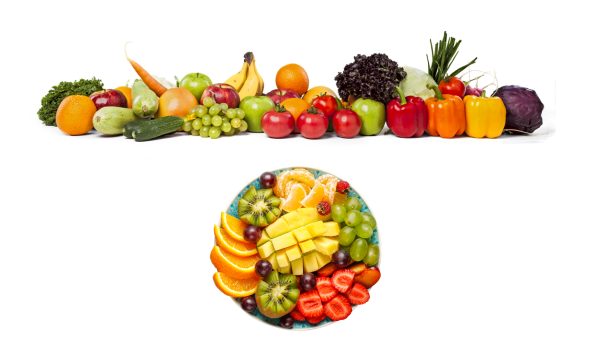
Add One Extra Vegetable Per Meal
Increasing vegetable intake boosts nutrient density.
Choose Leaner Protein Options
Lean proteins support muscle health and satiety.
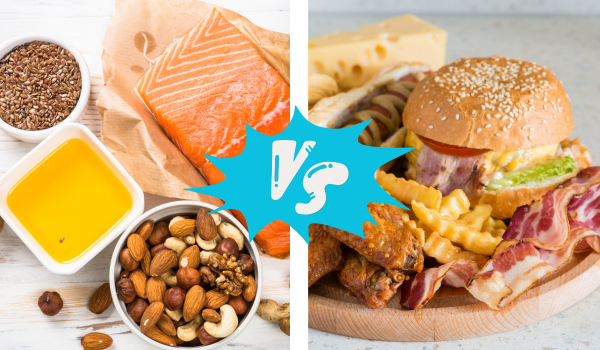
Use Healthy Fats In Moderation
Healthy fats enhance flavor and nutrient absorption.
Building Balanced Plates Without Overthinking
A balanced plate supports stable energy and fullness.
Include A Source Of Protein
Protein helps regulate appetite and maintain muscle.
Add Fiber-Rich Foods
Fiber supports digestion and fullness.
Include Healthy Fats
Fats enhance nutrient absorption and satisfaction.
Adjust Portions Based On Hunger
Listening to hunger cues prevents overeating.
Simple Changes That Improve Daily Energy
Energy levels are closely linked to food choices.
Eat Regular Meals Throughout The Day
Consistent eating prevents energy crashes.
Avoid Skipping Breakfast When Possible
Morning fuel supports focus and productivity.
Stay Hydrated Consistently
Dehydration often causes fatigue.
Limit Highly Processed Snacks
Whole foods provide steadier energy.
Making Healthier Choices When Eating Out
Eating out does not have to derail healthy habits.
Start With Balanced Options
Choose meals that include protein, vegetables, and whole grains.
Watch Portion Sizes
Restaurant servings are often larger than needed.
Be Mindful Of Added Sauces And Sugars
These can increase calories without adding nutrients.
Enjoy Food Without Guilt
Mindful enjoyment supports a healthy relationship with food.
Simple Snack Ideas That Support Health
Smart snacks help maintain energy between meals.
Pair Protein With Carbohydrates
This combination helps maintain stable blood sugar.
Choose Whole Foods When Possible
Fruits, nuts, and yogurt offer natural nourishment.
Plan Snacks Ahead Of Time
Preparation prevents impulsive choices.
Listen To Hunger Signals
Snack when genuinely hungry, not out of habit.
Supporting Healthy Eating With Lifestyle Habits
Nutrition works best alongside healthy routines.
Adequate Sleep Supports Appetite Control
Sleep influences hunger hormones.
Physical Activity Encourages Better Food Choices
Movement supports balanced eating habits.
Stress Management Reduces Emotional Eating
Lower stress leads to better food decisions.
Consistent Routines Promote Stability
Predictable habits simplify healthy choices.
Overcoming Common Barriers To Healthy Eating
Challenges are normal and manageable.
Busy Schedules
Simple meals and preparation save time.
Limited Access To Healthy Foods
Focus on what is available rather than perfection.
Lack Of Motivation
Small wins build confidence and momentum.
All-Or-Nothing Thinking
Progress matters more than perfection.
Creating A Healthy Eating Environment
Your surroundings influence your food choices.
Keep Healthy Foods Visible
Visibility encourages better decisions.
Organize Your Kitchen For Convenience
Easy access supports healthy habits.
Plan Meals In Advance
Planning reduces last-minute unhealthy choices.
Make Healthy Options Enjoyable
Enjoyment encourages consistency.
Maintaining Progress Over Time
Long-term success depends on consistency.
Focus On Progress, Not Perfection
Small steps lead to meaningful change.
Adjust Habits As Life Changes
Flexibility supports long-term success.
Celebrate Small Wins
Acknowledging progress reinforces positive behavior.
Stay Patient With Yourself
Lasting change takes time.
Building Confidence In Your Food Choices
Confidence helps maintain healthy habits.
Trust Your Body’s Signals
Hunger and fullness guide intake.
Avoid Comparing Your Journey To Others
Individual needs vary.
Learn From Experience
Each choice provides insight for improvement.
Empower Yourself Through Knowledge
Understanding nutrition supports better decisions.
Conclusion
Eating healthier does not require drastic changes or strict routines. By making small, intentional adjustments to everyday habits, it becomes possible to support better energy, digestion, and overall well-being without feeling restricted. Sustainable eating is about consistency, balance, and self-awareness. When healthy choices fit naturally into daily life, long-term wellness becomes achievable and enjoyable.

.png)













.png)
.png)
.png)
.png)


.png)
.png)
.png)
.png)
.png)
.png)
.png)
.png)
.png)
.png)




.png)
.png)
.png)
.png)

