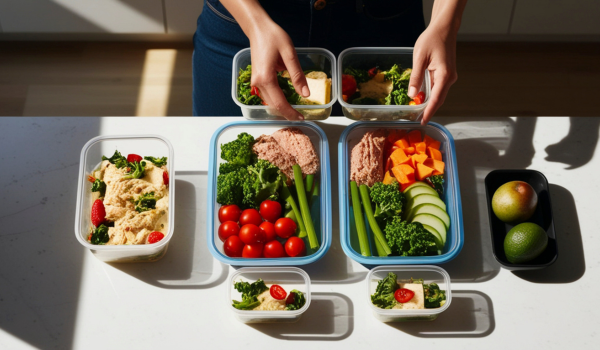
Maintaining healthy eating habits during a busy week can feel overwhelming. Long work hours, family responsibilities, and unexpected plans often lead to skipped meals, takeout, or highly processed convenience foods. Meal prep offers a practical solution that supports better nutrition without requiring perfection or excessive time in the kitchen. With simple planning and a few smart strategies, meal prep can make healthy eating easier, more consistent, and far less stressful. This guide breaks down realistic meal prep tips that fit into everyday life and help create a healthier week.
Why Meal Prep Supports Better Health And Consistency
Meal prep is not about rigid routines or eating the same food every day. It is about preparation that removes daily decision fatigue.
Reduces Last-Minute Food Choices
When meals are already prepared or planned, there is less temptation to rely on fast food or sugary snacks.
Supports Balanced Nutrition
Meal prep allows better control over portions, ingredients, and food groups, helping maintain consistent intake of vegetables, protein, and whole grains.
Saves Time During Busy Weekdays
Spending a short amount of time preparing food ahead saves hours throughout the week.
Reduces Stress And Mental Load
Knowing what to eat removes the daily pressure of deciding meals multiple times a day.
Getting Started Without Overcomplicating The Process
Successful meal prep begins with simplicity.
Start With One Or Two Meals Per Day
Trying to prep every meal can lead to burnout. Beginning with lunches or dinners is often the most sustainable approach.
Choose Familiar Foods
Meal prep works best when using foods you already enjoy. There is no need to try new recipes every week.
Keep Recipes Simple And Flexible
Meals that can be mixed and matched prevent boredom and allow variety throughout the week.
Plan Around Your Actual Schedule
Prep more food on busy days and allow flexibility on lighter days.
Planning Meals For A Healthier Week
Planning creates structure without restriction.
Create A Loose Weekly Meal Outline
A simple plan listing main meals and snacks provides guidance without being overly rigid.
Balance Food Groups At Each Meal
Including protein, vegetables, carbohydrates, and healthy fats supports energy and satiety.
Account For Snacks And Small Meals
Planning snacks prevents overeating later and helps maintain stable energy.
Consider How Long Foods Will Stay Fresh
Some meals are better consumed earlier in the week, while others freeze or store well.
Smart Grocery Shopping For Efficient Meal Prep
Meal prep starts at the grocery store.
Build A Grocery List From Your Meal Plan
Shopping with a list reduces impulse purchases and saves money.
Choose Versatile Ingredients
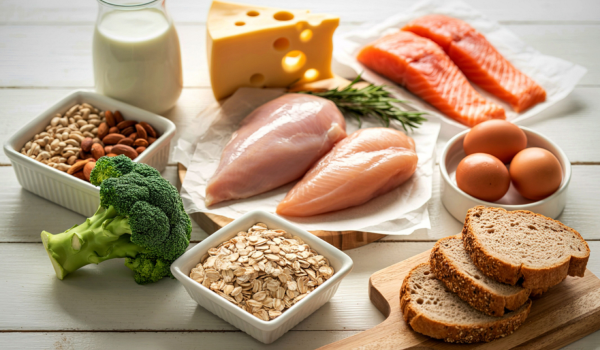
Foods like chicken, eggs, rice, beans, vegetables, and yogurt can be used in multiple meals.
Use Frozen And Canned Foods When Helpful
Frozen vegetables and canned beans save prep time and reduce waste.
Stick To Simple Staples
Keeping a consistent set of core ingredients makes weekly prep easier.
Batch Cooking Basics That Save Time
Batch cooking is one of the most effective meal prep techniques.
Cook Proteins In Larger Quantities
Grilled chicken, baked fish, roasted tofu, or cooked beans can be used across multiple meals.
Prepare Grains In Advance
Rice, quinoa, oats, and pasta store well and form the base of many dishes.
Roast Or Steam Vegetables Together
Cooking vegetables in bulk saves time and simplifies meal assembly.
Use Neutral Seasonings First
Keeping flavors simple allows meals to be customized later with sauces or spices.
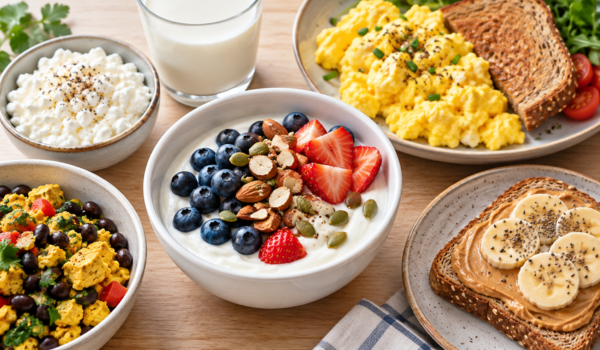
Simple Meal Prep Ideas For Breakfast
Breakfast prep supports consistent energy in the morning.
Overnight Oats And Chia Pudding
These options require minimal effort and can be prepared for several days.
Egg-Based Breakfasts
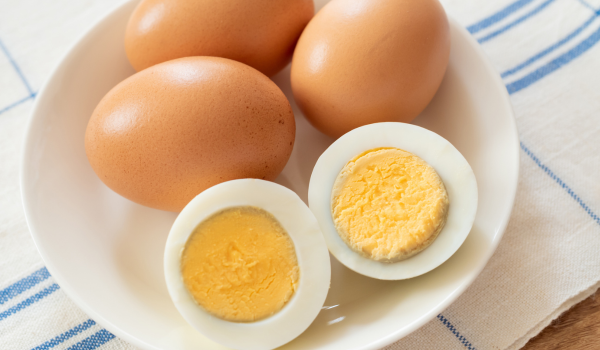
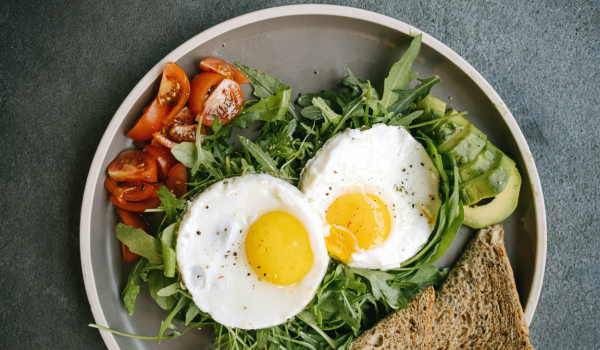
Hard-boiled eggs, egg muffins, or scrambled eggs store well and provide protein.
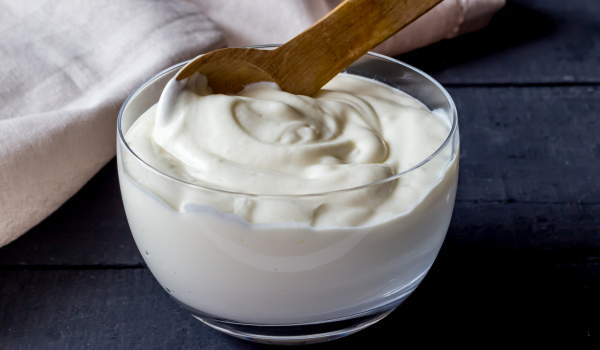
Yogurt And Fruit Combinations
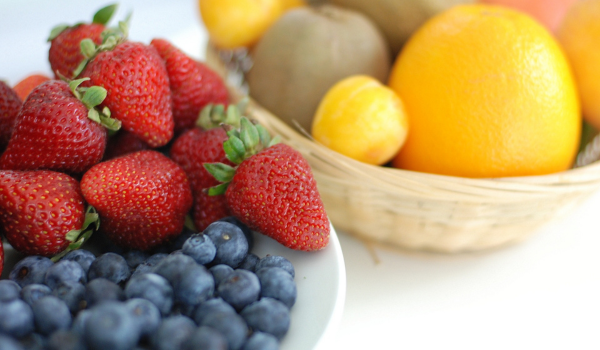
Pre-portioned yogurt with fruit and nuts offers a quick, balanced option.
Smoothie Prep Packs
Freezing fruit and greens in individual portions makes smoothies faster during busy mornings.
Easy Lunch Meal Prep Strategies
Lunch is often the most challenging meal during work or school days.
Build Simple Bowl Meals
Grain bowls with protein, vegetables, and sauce are easy to customize.
Prepare Salads With Durable Ingredients
Using sturdy greens, roasted vegetables, and proteins prevents sogginess.
Make Soups And Stews In Advance
Soups store well, reheat easily, and offer hydration and nourishment.
Use Leftovers Intentionally
Dinner leftovers can become next-day lunches with minimal effort.
Stress-Free Dinner Meal Prep Tips
Dinner prep reduces evening fatigue.
Prep Ingredients Instead Of Full Meals
Chopping vegetables or marinating proteins saves time without committing to specific dishes.
Use Sheet-Pan Or One-Pot Meals
These methods reduce cleanup and simplify cooking.
Plan For Quick Assembly Meals
Meals that come together in under 15 minutes reduce reliance on takeout.
Freeze Extra Portions
Freezing meals creates backup options for unexpected busy days.
Portion Control And Food Storage Best Practices
Proper storage keeps meals safe and enjoyable.
Use Clear Containers For Visibility
Seeing prepared food increases the likelihood of eating it.
Label Containers With Dates
Labeling helps track freshness and reduce waste.
Store Sauces Separately
Keeping sauces separate preserves texture and flavor.
Use Appropriate Portions
Pre-portioning meals supports portion control and prevents overeating.
Avoiding Common Meal Prep Mistakes
Understanding pitfalls improves long-term success.
Trying To Prep Too Much At Once
Over-prepping can lead to boredom and wasted food.
Ignoring Flavor And Texture
Meals should be enjoyable to encourage consistency.
Not Allowing Flexibility
Rigid plans often fail when schedules change.
Skipping Snacks In Prep Plans
Unplanned hunger leads to unhealthy choices.
Making Meal Prep A Sustainable Habit
Consistency matters more than perfection.
Choose A Regular Prep Time
Scheduling prep on a consistent day builds routine.
Rotate Ingredients Weekly
Small variations keep meals interesting.
Adjust Prep Based On Feedback
Noticing what worked and what did not improves future planning.
Accept Imperfect Weeks
Missing a prep session does not mean failure. Returning the next week matters most.
Conclusion
Simple meal prep is one of the most effective tools for creating a healthier week. By planning meals, preparing ingredients ahead of time, and keeping food choices flexible, healthy eating becomes easier and more sustainable. Meal prep reduces stress, saves time, and supports balanced nutrition without requiring strict rules. Explore more nutrition resources and start applying these simple meal prep tips to build healthier habits that fit your lifestyle.

.png)



.png)
.png)
.png)
.png)
.png)
.png)
.png)
.png)
.png)
.png)
.png)
.png)
.png)
.png)

.png)
.png)
.png)
.png)