.png)
Long-term wellness is rarely the result of extreme diets or short-term health trends. Instead, it is built through small, consistent eating habits that support the body over time. Many people believe healthy eating requires perfection, strict rules, or constant effort, but in reality, sustainable wellness comes from simple daily choices. By developing practical eating habits that fit into real life, it becomes easier to maintain energy, support overall health, and enjoy food without stress or restriction.
Why Simple Eating Habits Matter More Than Perfection
Lasting health is built through consistency, not extremes.
Consistency Supports Long-Term Results
Small actions repeated daily have a greater impact than occasional intense efforts.
Simplicity Reduces Mental Fatigue
Simple habits are easier to maintain over time.
Realistic Choices Encourage Sustainability
Habits that fit daily life are more likely to stick.
Flexibility Supports Overall Balance
Adaptable habits allow room for real-life situations.
How Daily Food Choices Influence Overall Wellness
Every meal contributes to overall health.
Daily Nutrition Shapes Energy Levels
What you eat influences how you feel throughout the day.
Food Affects Mood And Mental Clarity
Balanced meals support emotional well-being.
Consistent Eating Supports Physical Health
Regular nourishment helps the body function efficiently.
Small Choices Accumulate Over Time
Daily habits build long-term outcomes.
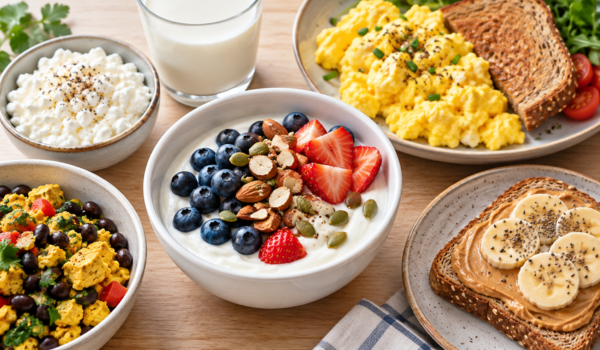
Building A Foundation With Balanced Meals
Balanced meals create stability and nourishment.
Including Protein For Sustained Energy
Protein supports muscle health and satiety.
Adding Fiber For Digestive Support
Fiber aids digestion and fullness.
Including Healthy Fats For Satisfaction
Fats support nutrient absorption and flavor.
Combining Nutrients For Better Balance
Balanced meals reduce energy fluctuations.
The Importance Of Regular Eating Patterns
Consistency in timing supports the body’s rhythm.
Regular Meals Help Stabilize Energy
Predictable meals prevent extreme hunger.
Consistent Timing Supports Digestion
Routine helps the digestive system work efficiently.
Skipping Meals Can Disrupt Balance
Irregular eating may lead to overeating later.
Routine Encourages Mindful Eating
Structure promotes awareness.
How Hydration Supports Long-Term Wellness
Hydration is a key part of healthy eating.
Water Supports Every Body System
Hydration is essential for overall function.
Mild Dehydration Can Affect Energy
Even slight dehydration may reduce focus.
Hydration Supports Digestion
Fluids help move nutrients through the body.
Regular Fluid Intake Supports Balance
Consistent hydration promotes well-being.
Making Whole Foods A Daily Habit
Whole foods form the foundation of healthy eating.
Fruits And Vegetables Provide Essential Nutrients
They support immunity and digestion.
Whole Grains Offer Sustained Energy
They provide steady fuel throughout the day.
Natural Protein Sources Support Repair
Protein helps maintain muscle and tissue.
Minimally Processed Foods Support Balance
They provide nutrients without excess additives.
How Mindful Eating Supports Long-Term Health
Mindful eating strengthens awareness and balance.
Paying Attention Enhances Satisfaction
Awareness increases enjoyment of food.
Listening To Hunger And Fullness Signals
The body provides guidance when listened to.
Reducing Distractions Improves Awareness
Focused eating supports digestion.
Mindfulness Encourages Healthy Relationships With Food
Awareness reduces stress around eating.
The Role Of Enjoyment In Healthy Eating
Enjoyment is essential for sustainability.
Enjoyment Encourages Consistency
People repeat behaviors they enjoy.
Pleasure Supports Emotional Well-Being
Positive experiences promote balance.
Healthy Eating Should Feel Satisfying
Satisfaction reduces cravings.
Balance Allows Room For Favorite Foods
Enjoyment prevents restriction cycles.
How Small Habits Lead To Big Results
Tiny changes add up over time.
Small Improvements Are Sustainable
Gradual change is easier to maintain.
Consistency Beats Intensity
Daily habits matter more than extremes.
Progress Builds Confidence
Small wins motivate continued effort.
Habits Shape Long-Term Health
Routine behaviors define outcomes.
Creating An Environment That Supports Healthy Choices
Your surroundings influence your habits.
Keep Nutritious Foods Accessible
Visibility encourages healthier choices.
Organize Your Kitchen For Ease
Convenience supports consistency.
Plan Ahead To Reduce Stress
Preparation simplifies decision-making.
Supportive Environments Encourage Success
Structure promotes healthy habits.
How To Stay Consistent During Busy Or Stressful Times
Life changes require flexibility.
Adjust Expectations When Needed
Flexibility prevents burnout.
Focus On Essentials During Busy Periods
Simple meals are effective.
Avoid All-Or-Nothing Thinking
Partial success still matters.
Return To Routine When Possible
Consistency can always be rebuilt.
Long-Term Wellness Comes From Daily Choices
Wellness is shaped by everyday actions.
Health Is Built Gradually
Small habits accumulate over time.
Consistency Supports Resilience
Stable routines promote strength.
Mindful Choices Enhance Quality Of Life
Awareness improves well-being.
Sustainable Habits Create Lasting Change
Long-term success depends on sustainability.
Conclusion
Long-term wellness is not created through strict rules or short-term diets, but through simple, consistent eating habits that support the body every day. By focusing on balance, flexibility, and mindful choices, healthy eating becomes a natural part of life rather than a challenge. When nourishment feels manageable and enjoyable, it supports lasting wellness, energy, and overall quality of life.


.png)



















.png)
.png)
.png)
.png)


.png)
.png)
.png)
.png)
.png)
.png)
.png)
.png)
.png)
.png)




.png)
.png)
.png)
.png)