.png)
Healthy eating sometimes feels overwhelming. There are new diets every year, trending ingredients, countless food rules, and endless debates about what is “good” or “bad.” For many people, the more complicated nutrition seems, the harder it becomes to stay consistent. Yet the truth is surprisingly straightforward. The simplest habits—repeated regularly—create better long-term results than strict diets or dramatic changes. When eating feels manageable, enjoyable, and flexible, it becomes a natural part of daily life rather than a short-lived effort that fades in a few weeks.
Complicated Diets Often Fail Because They’re Hard To Sustain
Many eating plans promise fast results but require intense discipline.
Strict Rules Feel Impossible To Maintain
Cutting out entire food groups, counting every calorie, or measuring every serving requires time and mental energy. Most people can manage for a short period, but life eventually gets busy, stress increases, and motivation falls.
Restriction Triggers Rebound Cravings
When a person avoids favorite foods completely, cravings can intensify. Once restrictions break, people often swing in the opposite direction—overeating, bingeing, or abandoning the diet completely.
Complex Plans Create Decision Fatigue
The brain becomes exhausted when every meal demands planning, reading labels, tracking numbers, or looking up rules. Simplicity preserves willpower, which helps habits last longer.
Instead of chasing perfection, choosing simple eating patterns removes pressure and builds strong routines.
Simple Habits Are Easier To Repeat Every Day
Success in nutrition is less about what you do once and more about what you do consistently.
Easy Habits Fit Naturally Into Real Life
Having a piece of fruit daily, drinking water before coffee, or adding vegetables to dinner are small choices that don’t require measuring, tracking, or sacrificing time.
Familiar Foods Are Less Stressful
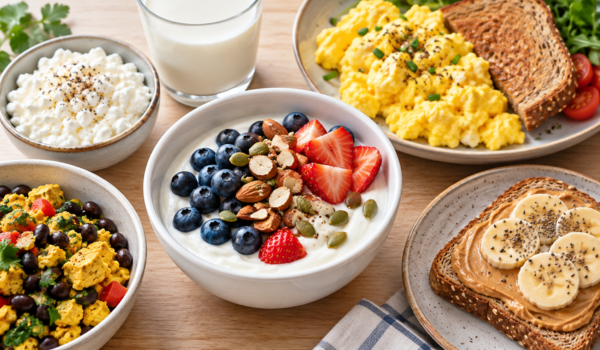
Buying ingredients you already know how to cook eliminates barriers. Simple combinations—grilled chicken with vegetables, yogurt with berries, oatmeal with nuts—are satisfying and fast.
Minimal Rules Reduce Anxiety Around Food
When people stop worrying about “good” versus “bad” foods, mealtime becomes calmer. Stress decreases, and decision-making becomes smoother.
When a habit feels simple, you are far more likely to repeat it tomorrow, next month, and next year.
Whole Foods Naturally Support Health Without Extra Effort
You do not need exotic ingredients or specialty diets to nourish your body.
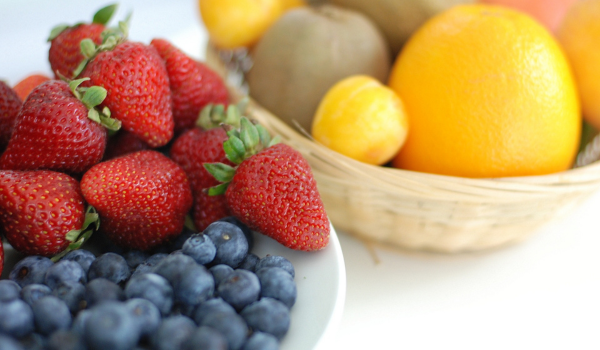
Fruits And Vegetables Provide Core Nutrients
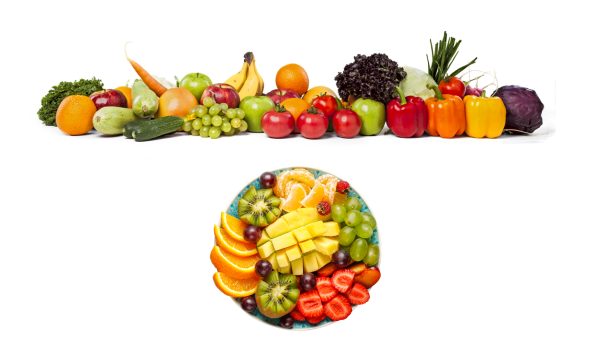
These foods deliver vitamins, fiber, antioxidants, and water—supporting digestion, immunity, and energy. Just increasing the number of servings improves overall health.
Lean Proteins Help Control Hunger
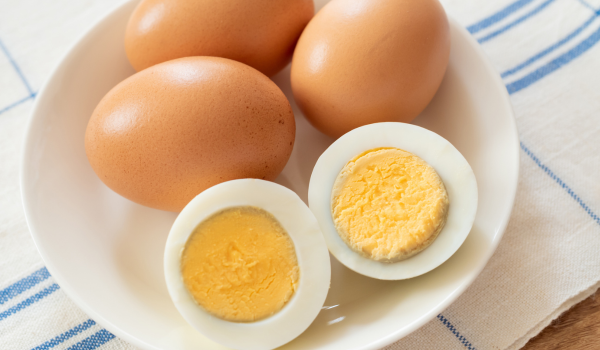
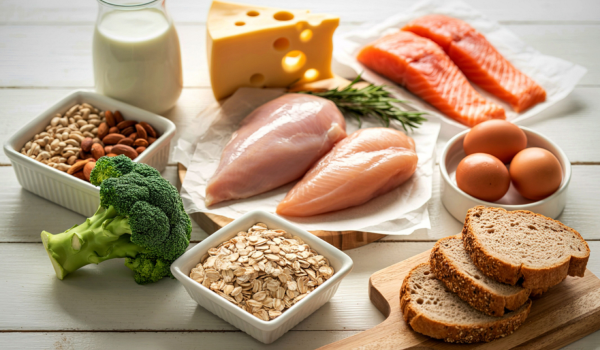
Eggs, chicken, tofu, fish, beans, and nuts provide steady energy and help keep meals filling—reducing snacking and sugar cravings without restriction.
Whole Grains Provide Long-Lasting Fuel
Brown rice, oats, quinoa, whole-wheat bread, and barley digest slowly, supporting blood sugar and energy. Swapping refined grains for whole grains is a simple upgrade that makes a big difference.
When people default to unprocessed foods more often, they naturally support weight balance, mood, and metabolism—without strict dieting.
Simple Eating Habits Protect Mental Health Too
Nutrition is not only physical—it affects emotions and patterns.
Fewer Rules Reduce Guilt And Shame
Feeling “bad” after eating a certain food can damage a person’s relationship with food. Allowing all foods in moderation lets you enjoy meals without judgment.
Simple Habits Create Positive Momentum
Preparing one healthy meal per day can make you feel successful and motivated, instead of overwhelmed by unrealistic goals.
Consistency Supports Confidence
Seeing steady progress—more energy, better sleep, improved digestion—helps reinforce behavior more effectively than obsessing over scales or calorie counts.
Eating shouldn’t be a source of stress. Simplicity helps people feel more in control, not controlled by food.
How Small, Repeatable Actions Create Bigger Results
Tiny choices grow into powerful long-term improvements.
Add Instead Of Restrict
Adding one serving of vegetables, one glass of water, or one more protein source often works better than cutting things out entirely.
Use The Plate Method
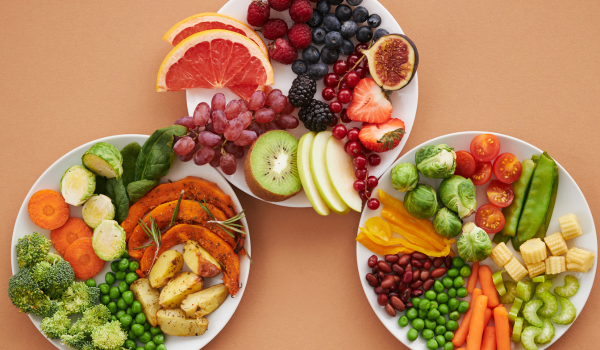
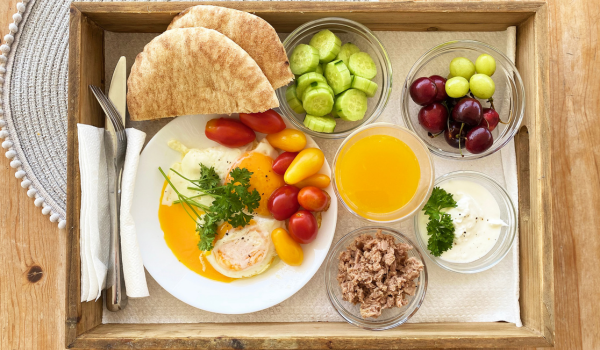
Half vegetables, one-quarter protein, and one-quarter whole grains creates a balanced, nutrient-dense meal without measuring or tracking.
Prep Just One Thing Ahead
Making a batch of rice, chopping vegetables, or cooking protein for two meals saves time for days—without needing full meal prep.
Shop With A Short List
Knowing what to buy prevents impulse purchases and supports simple home cooking.
Slow changes create habits that last years, not days.
Simple Habits Work For Every Season Of Life
Nutrition needs shift as schedules, ages, and circumstances evolve.
Busy Periods Require Flexibility
Easy meals like soups, build-your-own bowls, canned beans, or rotisserie chicken keep nutrition accessible—no complicated recipes required.
Family Eating Becomes More Manageable
Simple meals can feed everyone at once without cooking separate dishes for kids, adults, or picky eaters.
Aging Bodies Benefit From Predictable Patterns
Steady nutrient intake—especially protein, fiber, and hydration—supports muscles, digestion, and brain function well into later years.
When habits are simple, they can survive routine changes, stress, travel, and holidays.
How To Shift Into Simpler Eating Without Losing Variety
People often assume “simple” means boring—but that’s not the case.
Rotate Proteins, Vegetables, And Grains
Keeping a few favorites within each food group makes it easy to mix and match without planning every detail.
Build ‘Go-To’ Meals
Knowing five meals you enjoy—like stir-fries, tacos, grain bowls, or pasta with veggies—removes pressure and supports consistent home cooking.
Enjoy Treats Mindfully
Ice cream, fries, or bakery treats can fit into simple eating without guilt when balanced with nutrient-dense meals overall.
Simplicity works best when it also feels enjoyable.
Conclusion
Healthy eating does not need to be complicated, restrictive, or stressful. The most effective habits are the ones you can maintain during busy weeks, stressful seasons, and ordinary days. Simple food patterns—whole foods, balanced meals, steady hydration, mindful choices, and flexibility—support physical health, energy, mood, and long-term wellness more reliably than strict diets. By repeating small behaviors consistently, you gradually shape a lifestyle that feels natural, nourishing, and sustainable.
Start with one step today—add a vegetable, drink more water, or build a balanced plate—and move forward from there to create a healthy rhythm that lasts.

.png)



.png)
.png)
.png)
.png)
.png)
.png)
.png)
.png)
.png)
.png)
.png)
.png)
.png)
.png)


.png)
.png)
.png)
.png)