Rapid weight loss attracts interest because the results appear fast, but safe approaches require planning and medical supervision. Losing weight too quickly can bring risks if done without guidance.
Can Rapid Weight Loss Be Effective
Research findings
Studies comparing fast and gradual weight loss show mixed outcomes.
In a 2014 clinical trial, over 200 adults followed either a rapid 12-week plan or a slower 36-week plan. Both approaches aimed for a 15% weight reduction.
Long-term outcomes
Participants from both groups regained much of their lost weight after the programs ended.
This suggests the speed of weight loss may not predict whether weight stays off long-term.
Risks To Watch Out For
Very low-calorie diets
Some popular programs recommend eating only about 800 calories per day.
While this may create rapid changes on the scale, it can also cause intense side effects.
Potential consequences
-
Loss of muscle and bone mass
-
Extreme fatigue
-
Nutrient deficiencies
-
Digestive discomfort
-
Binge eating triggered by hunger
Medical supervision required
Doctors sometimes prescribe low-calorie plans for people with obesity or for medical preparation, but they are short-term tools—not everyday diets—and not appropriate for everyone.
Physical stress
Rapid loss may also increase risks such as:
-
Gallstones
-
Gout
-
Nausea
-
Constipation or diarrhea
Without building healthy habits, many people regain weight once the restrictive phase ends.
Safe Ways To Lose Weight Fast
Long-lasting changes focus on food quality, personal habits, sleep, and physical activity rather than extreme restriction.
Limit Processed Foods
Reducing refined ingredients
Foods high in added sugar, refined flour, and sodium often cause bloating and water retention.
They are more calorie dense and can easily exceed daily needs.
Better swaps
Replacing packaged products with fruits, vegetables, lean proteins, and whole grains helps keep energy steady and hunger controlled.
Eat More Vegetables
Fiber, water, and nutrients
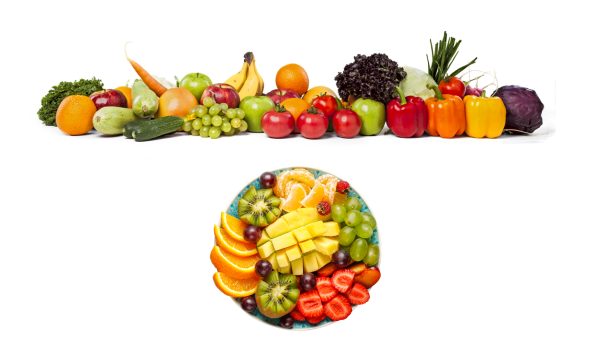
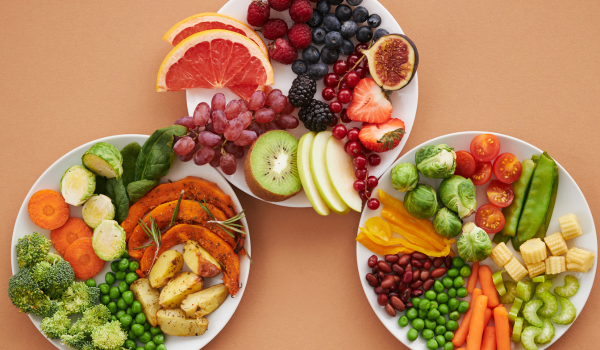
Adding vegetables to every meal improves fullness and nutrient intake without drastically increasing calories.
Practical ideas
-
Blend greens into smoothies
-
Build salads or Buddha bowls
-
Fill half your dinner plate with cooked veggies
-
Rotate colors to vary antioxidants
Build Balanced Meals
Choosing nourishing foods
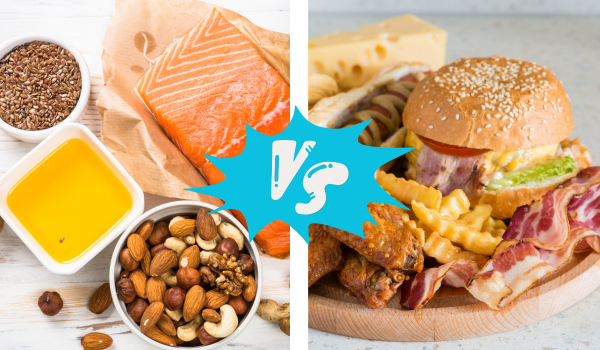
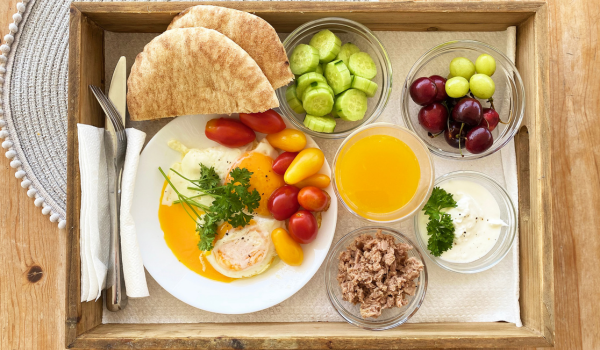
Combine lean protein, healthy fats, whole grains, and vegetables to steady energy and avoid overeating.
Examples
-
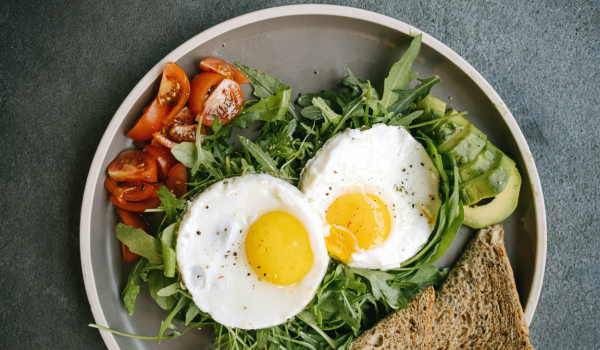
Protein: eggs, fish, beans, lentils
-
Fats: avocado, nuts, olive oil
-
Carbohydrates: quinoa, brown rice, potatoes, squash, fruit
Whole, minimally processed carbs help fuel movement and prevent fatigue.
Drink Water
Hydration for energy and appetite
Most adults need roughly 91–125 ounces of fluids daily, depending on activity and climate.
Helpful swaps
-
Flavor water with citrus, ginger, or mint
-
Limit sugary drinks
-
If you drink alcohol, keep it occasional and choose lighter mixers such as sparkling water
Get Regular Exercise
Movement that supports progress
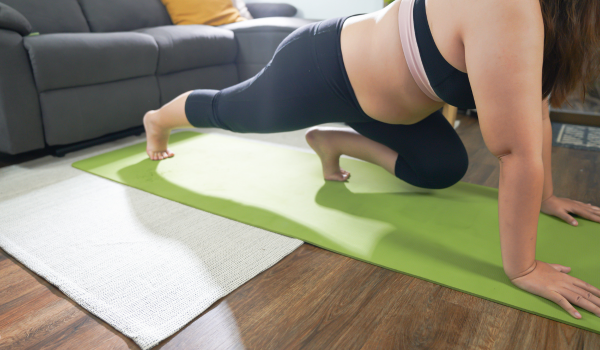
Aim for about 150 minutes of weekly activity—around 30 minutes most days.
Include light-to-moderate aerobic exercise and occasional strength training.
Beyond weight
Activity can:
-
Improve heart health
-
Support muscles and bones
-
Boost mood
-
Improve sleep
-
Reduce stress
Change Up Your Eating Habits
Mindful portions
Serve food on a plate instead of from the container and eliminate distractions like screens during meals.
Helpful practices
-
Keep nourishing snacks nearby
-
Eat breakfast if it supports your routines
-
Prep meals to avoid fast food runs
-
Check in with hunger and fullness cues
Consider Your Relationship With Food
Emotional patterns matter
Food restriction alone is rarely enough—and may harm wellbeing.
Notice whether you eat due to stress, boredom, or emotions instead of hunger.
Reframing internal thoughts like “I can include treats mindfully” helps build a healthier outlook.
Build A Support System
Sharing goals with trusted friends, family members, or professionals offers encouragement and accountability.
Who Should Avoid Rapid Weight Loss
Rapid weight loss isn’t appropriate for everyone.
Children, adolescents, pregnant people, older adults, or individuals with a history of disordered eating should only adjust weight under medical supervision.
Mental health matters just as much as physical change—no number on the scale is worth harming your wellbeing.


.png)







.png)
.png)
.png)
.png)


.png)
.png)
.png)
.png)
.png)
.png)
.png)
.png)
.png)
.png)


.png)
.png)
.png)
.png)