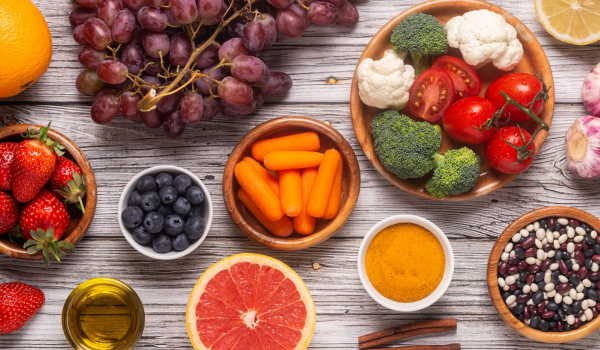
Cancer remains one of the leading causes of death worldwide, but research consistently shows that diet plays a meaningful role in prevention. While no single food can eliminate cancer risk entirely, specific nutrients and compounds found in everyday foods have been shown to reduce inflammation, block DNA damage, slow the growth of cancer cells, and support a stronger immune system. This article explores research-backed foods that may help lower cancer risk and provides practical ways to incorporate them into your daily routine.
Understanding How Diet Influences Cancer Risk
Cancer develops when cells grow uncontrollably due to DNA mutations. Many factors contribute to this process, including genetics, environmental exposures, and lifestyle habits. Nutrition affects cancer risk by influencing inflammation, oxidative stress, hormone regulation, and cellular repair.
Antioxidants And DNA Protection
Antioxidants neutralize free radicals—molecules that damage DNA and contribute to cancer development. Diets rich in antioxidant-packed fruits and vegetables may reduce oxidative stress and support long-term cancer prevention.
Fiber’s Role In Cancer Prevention
Fiber supports a healthy digestive system and reduces the risk of colorectal cancer by promoting regular bowel movements and feeding beneficial gut bacteria. These bacteria produce short-chain fatty acids that help protect colon cells from becoming cancerous.
Anti-Inflammatory Compounds
Chronic inflammation increases the risk of many cancers. Foods containing polyphenols, omega-3s, and phytochemicals can help lower inflammation and may slow the growth of abnormal cells.
Hormone Regulation Through Diet
Certain foods help balance hormones linked to cancers such as breast, prostate, and ovarian cancer. Plant-based foods often contain compounds that help regulate estrogen activity and support healthy metabolic function.
Fruits And Vegetables Proven To Reduce Cancer Risk
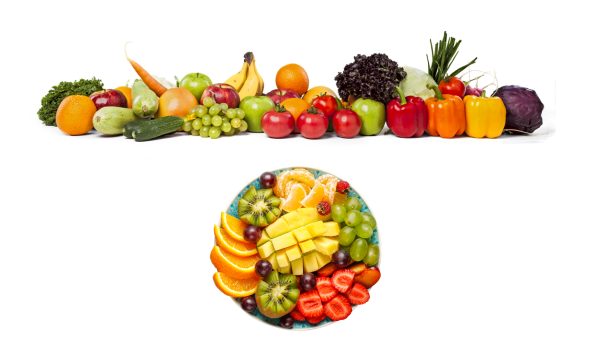
Plant-based foods are consistently shown to reduce cancer risk thanks to their fiber, vitamins, minerals, and natural plant compounds.
Berries Rich In Antioxidants
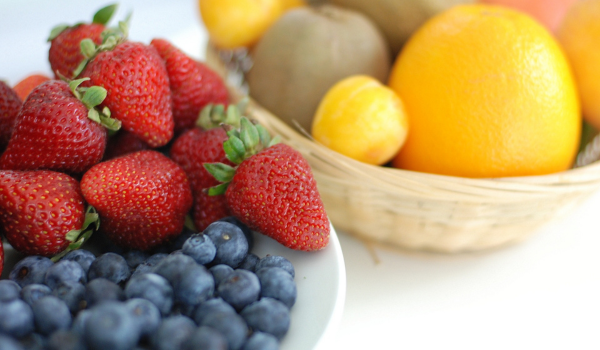
Blueberries, strawberries, raspberries, and blackberries contain anthocyanins and ellagic acid—compounds shown in research to reduce oxidative stress and slow cancer cell growth. Studies indicate that berry consumption may lower the risk of breast, colon, and oral cancers.
Cruciferous Vegetables And Detoxification Support
Broccoli, cauliflower, Brussels sprouts, and kale contain sulforaphane—a compound shown to enhance the body’s detoxification pathways and protect DNA from mutations. Research suggests sulforaphane may reduce the risk of lung, stomach, breast, and colorectal cancers.
Tomatoes And Lycopene Protection
Tomatoes are rich in lycopene, an antioxidant linked to reduced prostate cancer risk. Cooking tomatoes increases lycopene absorption, making tomato sauce and roasted tomatoes excellent additions to a cancer-preventive diet.
Citrus Fruits And Immune Defense
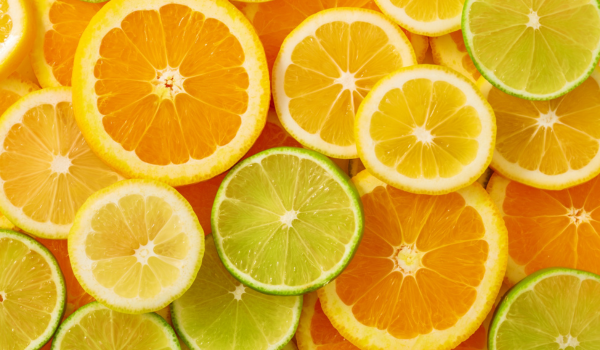
Oranges, lemons, limes, and grapefruit contain vitamin C and flavonoids that support immune function and help inhibit tumor growth. Research highlights their protective effects against esophageal, gastric, and breast cancers.
Leafy Greens High In Folate
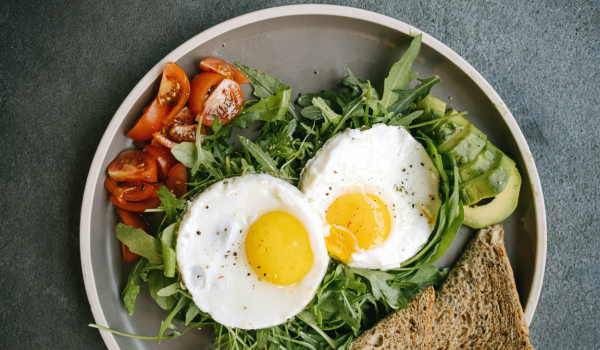
Spinach, arugula, and Romaine lettuce contain folate, which supports DNA repair and cell division. Higher folate intake has been associated with reduced risk of pancreatic and colorectal cancers.
Whole Foods And Healthy Fats With Anti-Cancer Benefits
Beyond fruits and vegetables, certain whole foods offer important protective benefits backed by scientific studies.
Fatty Fish Rich In Omega-3s
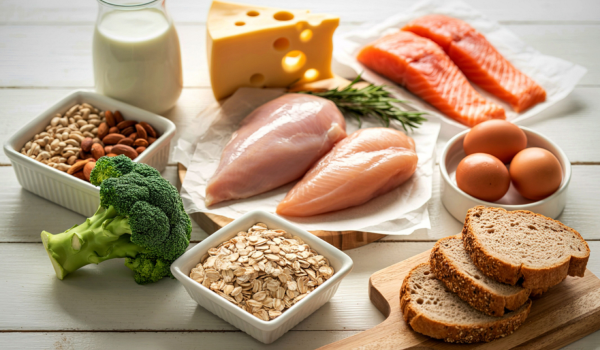
Salmon, mackerel, sardines, and trout contain omega-3 fatty acids that help reduce chronic inflammation, a known contributor to cancer. Research shows omega-3 consumption may help prevent colorectal, breast, and prostate cancers.
Whole Grains And Gut Support
Oats, brown rice, quinoa, and barley contain fiber and antioxidants that support digestive health. Higher whole-grain intake is linked with reduced risk of colorectal cancer due to improved gut function and lower inflammation levels.
Beans And Legumes For Fiber And Phytochemicals
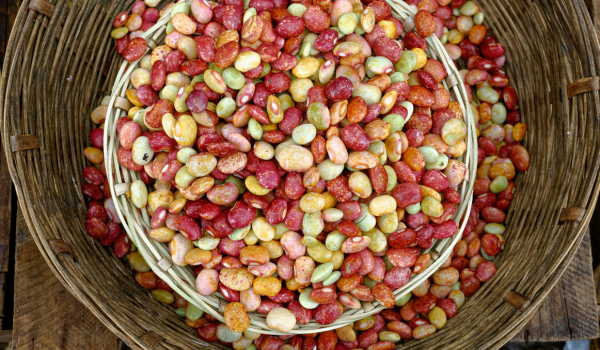
Lentils, chickpeas, black beans, and soybeans contain saponins and other bioactive compounds shown to slow cancer cell growth. Studies suggest legumes may lower risk of colorectal and breast cancers when consumed regularly.
Nuts And Seeds For Anti-Inflammatory Effects
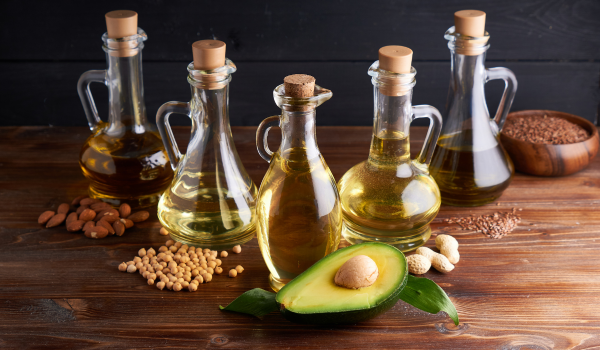
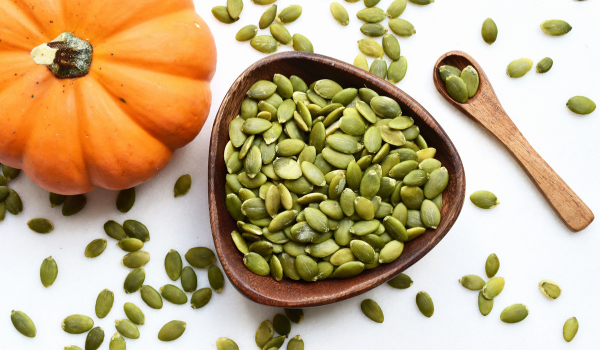
Almonds, walnuts, flaxseeds, and chia seeds contain healthy fats, fiber, and antioxidants. Walnuts in particular contain polyphenols linked to reduced cancer cell proliferation in laboratory studies.
Olive Oil And Mediterranean Benefits
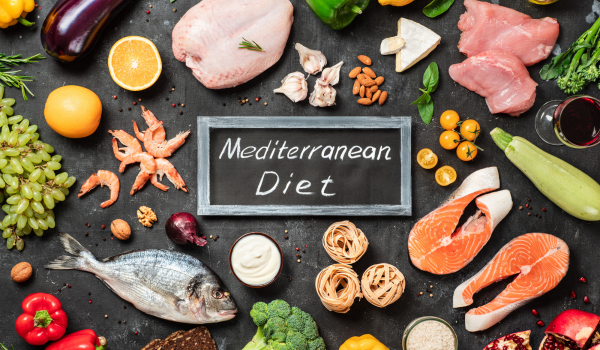
Extra virgin olive oil contains oleocanthal, a compound shown to kill cancer cells in lab settings. Diets rich in olive oil, such as the Mediterranean diet, have been associated with lower overall cancer risk.
Herbs, Spices, And Natural Compounds That Fight Cancer
Many herbs and spices contain powerful phytochemicals with anti-cancer effects documented in scientific research.
Turmeric And Curcumin Activity
Turmeric contains curcumin, a highly studied compound that has been shown to reduce inflammation, block tumor growth, and interfere with cancer cell signaling. It may offer protective benefits against breast, colon, and pancreatic cancers.
Garlic And Allium Vegetables
Garlic, onions, leeks, and shallots contain organosulfur compounds that activate detoxification enzymes and slow tumor growth. Research links garlic consumption with reduced risk of stomach and colorectal cancers.
Ginger For Anti-Inflammatory Support
Ginger’s active compounds, such as gingerol, have anti-inflammatory and antioxidant properties. Studies suggest ginger may help reduce risk of gastrointestinal cancers by supporting digestive health.
Green Tea And Catechin Power
Green tea contains epigallocatechin gallate (EGCG), an antioxidant shown to inhibit tumor growth and support DNA protection. Regular green tea drinkers may have a lower risk of breast, prostate, and colorectal cancers.
Foods To Limit When Reducing Cancer Risk
While some foods help lower cancer risk, others contribute to inflammation, oxidative stress, and cellular damage.
Processed Meats And Carcinogenic Compounds
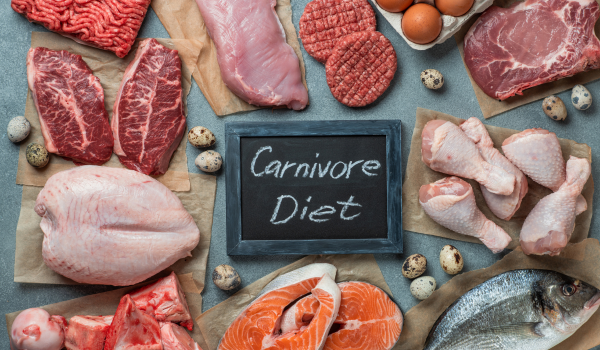
Hot dogs, sausages, and smoked meats contain nitrates that can form carcinogenic compounds during digestion. Research consistently shows processed meats increase risk of colorectal cancer.
Red Meat And High-Temperature Cooking
Frequent consumption of red meat cooked at high temperatures (such as grilling or frying) can create harmful compounds linked to cancer development.
Sugary Drinks And Refined Carbohydrates
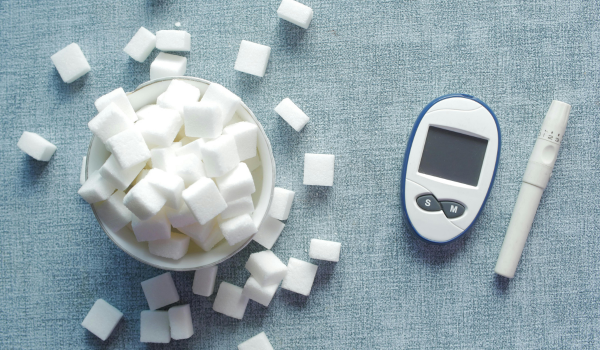
High sugar intake contributes to inflammation and metabolic changes linked to certain cancers. Sugary drinks in particular are associated with increased cancer risk.
Excess Alcohol Consumption
Alcohol is a known carcinogen linked to mouth, liver, breast, and esophageal cancers. Limiting alcohol intake supports healthier cellular function.
Practical Ways To Build A Cancer-Preventive Diet
Small, consistent dietary habits can make a significant difference in lowering cancer risk over time.
Fill Half Your Plate With Plants
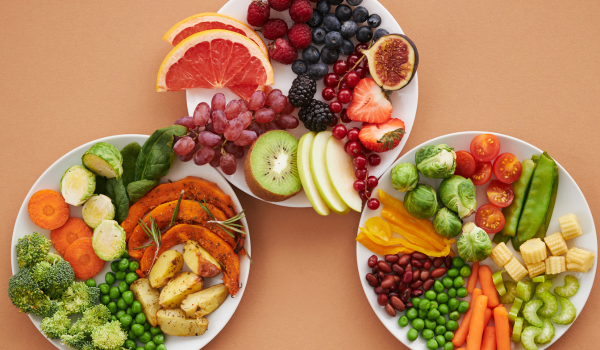
A variety of fruits, vegetables, legumes, and whole grains ensures you receive antioxidants, fiber, and anti-inflammatory nutrients every day.
Choose Fish Or Plant Proteins Over Red Meat
Replacing red meat with fatty fish, beans, lentils, or tofu reduces exposure to harmful compounds linked with cancer.
Incorporate Herbs And Spices Daily
Add turmeric, garlic, ginger, and other spices to soups, stir-fries, or roasted vegetables to elevate flavor and enhance protection.
Limit Processed Foods And Added Sugars
Focus on whole, minimally processed foods that provide natural nutrients rather than refined ingredients.
Stay Hydrated Throughout The Day
Water supports digestion, nutrient absorption, and detoxification—three essential processes for maintaining healthy cells.
Enjoy Green Tea Regularly
A cup or two of green tea each day provides a steady dose of protective catechins.
Conclusion
While no single food can prevent cancer completely, research shows that a nutrient-rich, plant-forward eating pattern can significantly reduce cancer risk. By choosing antioxidant-rich fruits, fiber-packed whole grains, healthy fats, legumes, and protective herbs and spices, you give your body the tools it needs to defend against cellular damage. Start incorporating these foods into your meals today and continue exploring wellness strategies that support lifelong health.

.png)




.png)
.png)
.png)
.png)
.png)
.png)
.png)
.png)
.png)
.png)
.png)
.png)
.png)
.png)


.png)
.png)
.png)
.png)
.png)
.png)