
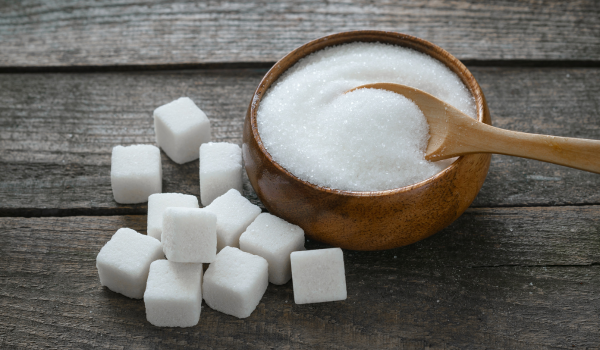
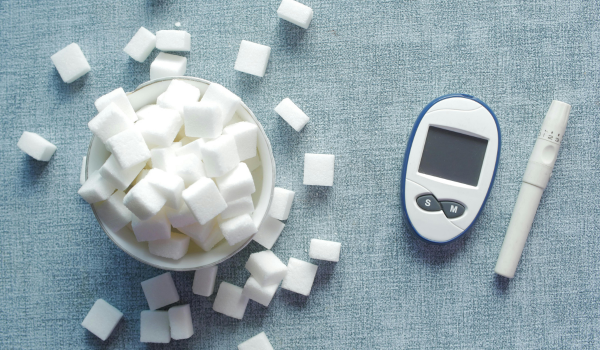
Added sugar is everywhere in the modern diet, from breakfast cereals and flavored yogurts to sauces, drinks, and packaged snacks. While sugar enhances flavor and provides quick energy, excessive intake is linked to weight gain, blood sugar imbalance, heart disease, and increased inflammation. Many people worry that reducing sugar means giving up enjoyment and flavor, but this does not have to be the case. With the right strategies, it is possible to cut back on added sugar while still enjoying satisfying, delicious meals. This guide explains how to reduce added sugar gradually and intelligently without sacrificing taste.
Understanding What Added Sugar Really Is
Not all sugar is the same, and understanding the difference matters.
Natural Sugars Versus Added Sugars
Natural sugars occur naturally in whole foods such as fruit, vegetables, and dairy. Added sugars are those introduced during processing or preparation, including table sugar, corn syrup, honey, and syrups.
Why Added Sugar Is A Concern
Added sugar provides calories without essential nutrients. It contributes to blood sugar spikes, increased cravings, and reduced appetite control.
Where Added Sugar Hides In Everyday Foods
Many foods not considered “sweet” contain added sugar, including salad dressings, bread, sauces, soups, and flavored beverages.
Recommended Limits For Added Sugar Intake
Health organizations recommend limiting added sugar to a small percentage of daily calories, yet most people exceed this amount unknowingly.
Why Cutting Added Sugar Does Not Mean Eating Bland Food
Flavor does not depend solely on sugar.
The Role Of Taste Adaptation
Taste buds adjust over time. Reducing sugar gradually allows natural flavors to become more noticeable and enjoyable.
Sugar Often Masks Other Flavors
Excess sugar can overpower natural flavors. Reducing it enhances the taste of fruits, spices, and whole ingredients.
Balancing Sweetness With Other Tastes
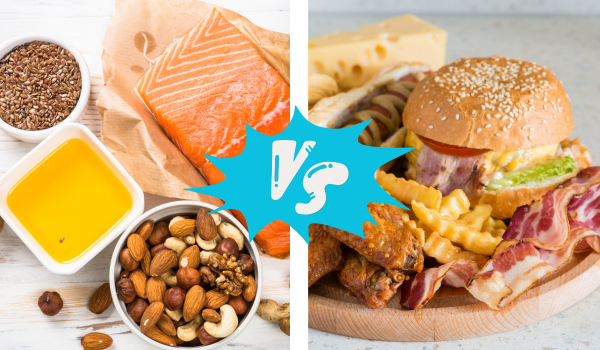
Using acidity, spice, fat, and texture creates satisfying flavor without relying heavily on sugar.
Identifying The Biggest Sources Of Added Sugar In The Diet
Targeting major sources makes reduction easier.
Sugary Beverages
Sodas, sweetened teas, energy drinks, flavored coffees, and fruit juices are among the largest contributors of added sugar.
Packaged Snacks And Desserts
Cookies, pastries, granola bars, and candies often contain high levels of added sugar.
Breakfast Foods
Many cereals, flavored yogurts, pancakes, and muffins contain more sugar than expected.
Condiments And Sauces
Ketchup, barbecue sauce, pasta sauce, and salad dressings frequently include added sugar.
Simple Swaps That Reduce Sugar Without Sacrificing Flavor
Small changes can make a significant difference.
Choose Unsweetened Or Lightly Sweetened Versions
Switching to unsweetened yogurt, oatmeal, or nut milk allows natural flavors to shine.
Use Fruit For Natural Sweetness
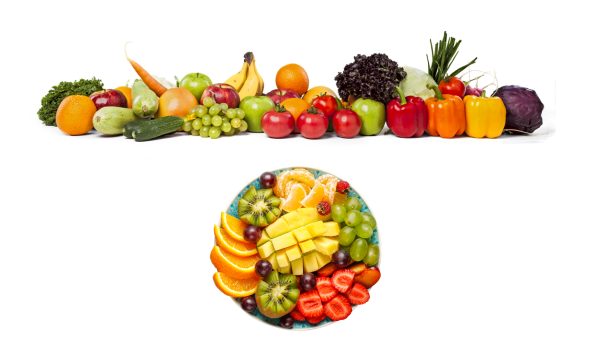
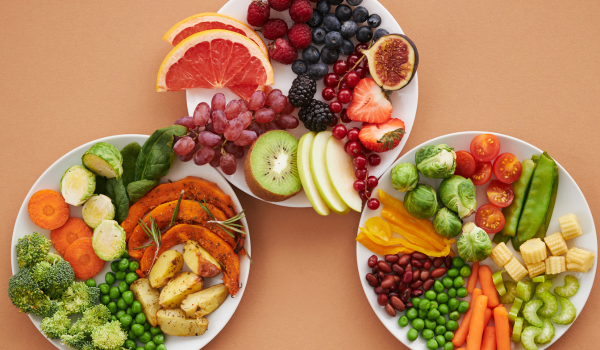
Fresh or cooked fruit adds sweetness along with fiber, vitamins, and antioxidants.
Dilute Sweetened Beverages Gradually
Mixing juice with water or reducing sweeteners in coffee helps the palate adjust over time.
Opt For Dark Chocolate Instead Of Candy
Dark chocolate offers richness and depth with less sugar when consumed in moderation.
Cooking And Baking With Less Added Sugar
Homemade foods offer more control.
Reduce Sugar In Recipes Gradually
Many recipes taste just as good with 25–50 percent less sugar.
Enhance Flavor With Spices And Extracts
Cinnamon, vanilla, nutmeg, ginger, and citrus zest boost perceived sweetness without added sugar.
Balance Sweetness With Healthy Fats
Healthy fats from nuts, seeds, and dairy improve mouthfeel and satisfaction.
Use Texture To Improve Satisfaction
Crunchy, creamy, or chewy textures enhance enjoyment even with less sweetness.
Smarter Dessert And Snack Choices
Reducing sugar does not mean eliminating treats.
Focus On Portion And Frequency
Enjoying smaller portions of dessert occasionally is more sustainable than daily sugary snacks.
Choose Desserts With Whole Ingredients
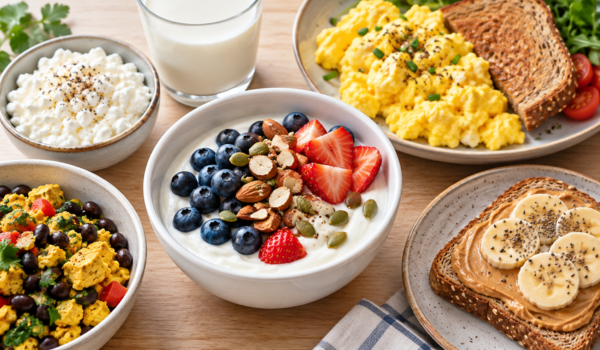
Fruit-based desserts, yogurt with berries, or baked apples provide sweetness with nutrients.
Pair Sweet Foods With Protein Or Fiber
Combining sugar with protein or fiber slows absorption and reduces blood sugar spikes.
Avoid Grazing On Sugary Snacks
Planned snacks help prevent mindless sugar intake.
Reading Labels To Spot Hidden Sugars
Label awareness empowers better choices.
Recognize Common Sugar Names
Sugar appears under many names, including corn syrup, cane sugar, maltose, dextrose, and fruit juice concentrate.
Check The Ingredients List First
Ingredients are listed by weight. Sugar appearing early in the list indicates higher content.
Compare Similar Products
Choosing versions with lower sugar content adds up over time.
Focus On Overall Ingredient Quality
Shorter ingredient lists often indicate less processing and fewer added sugars.
Managing Sugar Cravings Without Deprivation
Cravings are often signals, not failures.
Eat Balanced Meals To Prevent Cravings
Protein, fiber, and healthy fats reduce sudden sugar cravings.
Stay Hydrated Throughout The Day
Dehydration can feel like hunger or sugar cravings.
Allow Occasional Sweet Foods Without Guilt
Restriction can increase cravings. Mindful enjoyment supports long-term success.
Address Stress And Sleep
Poor sleep and high stress increase sugar cravings by affecting hunger hormones.
Reducing Added Sugar For Long-Term Health Benefits
Lower sugar intake supports overall wellness.
Improved Energy And Focus
Stable blood sugar leads to fewer crashes and improved concentration.
Better Weight Management
Reducing added sugar lowers excess calorie intake without restriction.
Improved Heart And Metabolic Health
Lower sugar intake supports cholesterol balance and insulin sensitivity.
Healthier Taste Preferences Over Time
The palate becomes more sensitive to natural sweetness, reducing desire for overly sweet foods.
Building Sustainable Low-Sugar Habits
Consistency matters more than perfection.
Make One Change At A Time
Gradual adjustments are easier to maintain.
Focus On Patterns, Not Single Foods
Overall diet quality matters more than occasional indulgences.
Create A Supportive Food Environment
Keeping low-sugar options readily available makes better choices easier.
Reframe Sugar Reduction As A Gain
Less sugar means better energy, mood, and long-term health—not deprivation.
Conclusion
Reducing added sugar does not require giving up taste or enjoyment. By identifying hidden sugars, making simple swaps, enhancing flavor with natural ingredients, and allowing flexibility, it is possible to eat satisfyingly while supporting better health. Small, consistent changes lead to lasting results and a healthier relationship with food. Explore more nutrition guides and start applying these sugar-reduction strategies today to enjoy flavorful meals with greater balance.

.png)








.png)
.png)
.png)
.png)

.png)
.png)
.png)
.png)
.png)
.png)
.png)
.png)
.png)
.png)


.png)
.png)
.png)
.png)

