
Nutrition labels are designed to help consumers make informed food choices, yet many people find them confusing or overwhelming. With numbers, percentages, ingredient lists, and marketing claims competing for attention, it can be difficult to know what actually matters for health. Understanding how to read nutrition labels correctly empowers individuals to choose foods that support energy, digestion, heart health, and long-term well-being. This guide breaks down nutrition labels in a clear, practical way, focusing on the most important elements rather than unnecessary details.
Why Nutrition Labels Are Important For Everyday Health
Nutrition labels provide standardized information that helps compare foods objectively.
Supporting Informed Food Choices
Labels allow consumers to see beyond packaging claims and evaluate the nutritional value of foods.
Helping Manage Chronic Health Concerns
For individuals monitoring blood sugar, cholesterol, blood pressure, or weight, labels offer essential guidance.
Encouraging Balanced Eating Patterns
Understanding labels helps prioritize nutrient-dense foods and limit excess sugar, sodium, and unhealthy fats.
Reducing Marketing Influence
Labels provide facts that counter misleading health claims often used in advertising.
Understanding Serving Size And Why It Matters
Serving size is the foundation of the entire nutrition label.
Serving Size Is Not A Recommendation
The listed serving size reflects how much people typically eat, not how much they should eat.
All Nutrition Values Are Based On One Serving
Calories, nutrients, and percentages apply only to the stated serving size.
Packages Often Contain Multiple Servings
Consuming the entire package means multiplying all listed values accordingly.
Why Misreading Serving Size Leads To Overconsumption
Ignoring serving size can result in consuming far more calories, sugar, or sodium than intended.
Calories: Useful But Not The Whole Picture
Calories indicate energy but do not define food quality.
What Calories Actually Represent
Calories measure energy, not nutritional value or health impact.
Why Lower Calories Do Not Always Mean Healthier
Low-calorie foods may lack fiber, protein, or essential nutrients.
Focusing On Nutrient Density Instead Of Just Calories
Foods that provide vitamins, minerals, fiber, and protein offer more health benefits per calorie.
Using Calories As A General Guide
Calories are helpful for portion awareness but should not be the sole decision factor.
Macronutrients That Deserve Your Attention
Macronutrients influence energy, satiety, and metabolic health.
Protein For Satiety And Muscle Health
Protein supports fullness, muscle maintenance, and stable blood sugar. Higher protein content often indicates a more balanced food.
Carbohydrates And Fiber Quality
Total carbohydrates include fiber, sugar, and starch. Fiber content matters more than total carbs.
Dietary Fiber As A Key Health Indicator
Higher fiber supports digestion, heart health, and appetite control.
Total Fat Versus Fat Quality
Fat is essential, but the type of fat matters more than the total amount.
Added Sugars: One Of The Most Important Label Sections
Added sugar is a major contributor to poor diet quality.
Difference Between Total Sugars And Added Sugars
Total sugars include naturally occurring sugars and added sugars. Added sugars are those introduced during processing.
Why Added Sugar Matters More Than Natural Sugar
Added sugars contribute calories without nutrients and affect blood sugar balance.
How Much Added Sugar Is Too Much
Lower added sugar intake supports better energy, weight management, and heart health.
Using Added Sugar To Compare Products
Choosing lower added sugar options within the same category improves overall diet quality.
Sodium: A Hidden Concern In Many Foods
Sodium content often exceeds daily needs.
Why Sodium Is Commonly Overconsumed
Processed and packaged foods are major sodium sources, even those that do not taste salty.
Health Impacts Of Excess Sodium
High sodium intake is linked to increased blood pressure and heart disease risk.
Identifying High-Sodium Foods On Labels
Comparing sodium levels helps select better options, especially for soups, sauces, and snacks.
Balancing Sodium Without Eliminating Flavor
Choosing lower-sodium versions allows more flexibility for seasoning at home.
Percent Daily Value: How To Use It Correctly
Percent Daily Value provides highlights, not strict rules.
What Percent Daily Value Represents
It shows how much a nutrient contributes to daily needs based on a standard diet.
Using Percent Daily Value As A Quick Reference
Lower percentages indicate nutrients to limit, while higher percentages indicate beneficial nutrients.
Why Individual Needs May Differ
Daily values are based on general guidelines and may not fit every person’s needs.
Avoid Overthinking Exact Percentages
Percent Daily Value helps with comparison rather than precision.
Ingredient Lists: Often More Important Than The Numbers
Ingredients reveal food quality and processing level.
Ingredients Are Listed By Weight
The first few ingredients make up the largest portion of the product.
Shorter Ingredient Lists Often Indicate Less Processing
Fewer ingredients typically mean simpler, less processed foods.
Identifying Added Sugars And Unnecessary Additives
Multiple sugar sources or unfamiliar additives may indicate lower nutritional quality.
Whole Foods As Primary Ingredients
Foods that list whole grains, vegetables, fruits, or proteins first are generally better choices.
Common Marketing Claims That Can Be Misleading
Front-of-package claims are not always meaningful.
Natural And Organic Claims
These terms do not guarantee lower sugar, sodium, or calorie content.
Low-Fat And Fat-Free Labels
These products may contain added sugar to compensate for flavor.
Multigrain And Whole Grain Confusion
Multigrain does not necessarily mean whole grain. Ingredient lists confirm grain quality.
Fortified Does Not Mean Healthy
Added vitamins do not compensate for poor ingredient quality.
Practical Tips For Reading Labels Efficiently
Label reading does not need to be time-consuming.
Start With Serving Size And Ingredients
These two areas provide the most useful information quickly.
Check Fiber, Protein, Added Sugar, And Sodium
These nutrients influence health most directly.
Compare Similar Products Side By Side
Small differences add up over time.
Focus On Patterns, Not Perfection
Consistent better choices matter more than occasional exceptions.
Using Nutrition Labels For Different Health Goals
Labels support various dietary priorities.
Weight Management
Portion size, fiber, and protein help control appetite.
Heart Health
Lower sodium, added sugar, and unhealthy fats support cardiovascular wellness.
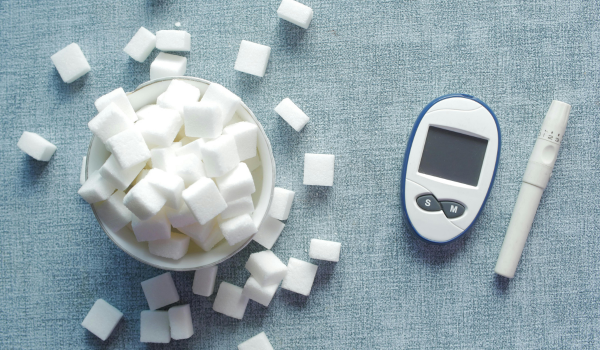
Blood Sugar Control
Fiber and added sugar levels help manage glucose stability.
Digestive Health
Fiber content supports regular digestion and gut health.
Building Confidence With Nutrition Labels Over Time
Skill improves with practice.
Practice Reading Labels During Routine Shopping
Regular exposure builds familiarity and confidence.
Avoid Information Overload
Focus on key nutrients rather than every detail.
Use Labels As A Tool, Not A Rulebook
Labels guide decisions but do not replace mindful eating.
Trust Progress Over Perfection
Making slightly better choices consistently improves long-term health.
Conclusion
Nutrition labels are valuable tools when used correctly. By focusing on serving size, ingredient quality, fiber, protein, added sugar, and sodium, consumers can make informed choices without stress or confusion. Understanding what truly matters on a nutrition label helps cut through marketing noise and supports healthier eating patterns over time. Explore more nutrition resources and continue building label-reading confidence to support long-term wellness.


.png)











.png)
.png)
.png)
.png)


.png)
.png)
.png)
.png)
.png)
.png)
.png)
.png)
.png)
.png)



.png)
.png)
.png)
.png)