
.png)
Lunch is often the meal most likely to be rushed, skipped, or replaced by fast food—and yet it plays a major role in sustaining energy, focus, and productivity during the second half of the day. For school children, lunch supports learning, attention, and growing bodies; for working adults, it fuels performance and keeps energy stable as the afternoon goes on. The challenge, however, is that healthy lunches can sometimes feel time-consuming or expensive to prepare. Fortunately, nutritious meals do not need to drain your budget or take hours in the kitchen. With a few smart choices and simple planning, anyone can pack filling, balanced lunches that are easy on the wallet.
Why Packing Lunch Matters For Health And Budget
Lunch Affects Afternoon Energy And Concentration
Many people experience a drop in focus halfway through the day. Often, this slump is tied to lunch choices—too little food, too many processed carbs, or meals high in sugar and low in nutrients. Packing your own lunch gives you control over what goes into your body, helping prevent afternoon fatigue, mood swings, and cravings.
Home-Packed Lunches Cost Less
Buying lunch every weekday can add up quickly. Even inexpensive fast-casual meals may range between $8 and $12 per person. By contrast, a homemade sandwich, grain bowl, or leftover meal may cost less than half of that amount. Over weeks and months, that difference becomes hundreds of dollars kept in your pocket.
You Avoid Hidden Ingredients
When you pack your own food, you automatically reduce added sugar, sodium, unhealthy fats, and preservatives typically found in restaurant and cafeteria meals.
The $5 Rule: Building A Balanced Lunch With Everyday Foods
Start With Foods Already In Your Kitchen
Nutritious lunches do not require specialty ingredients. Budget-friendly staples like canned beans, eggs, frozen vegetables, rice, pasta, oats, canned tuna, peanut butter, and seasonal produce form the base of countless meals.
Use The Balanced Plate Blueprint
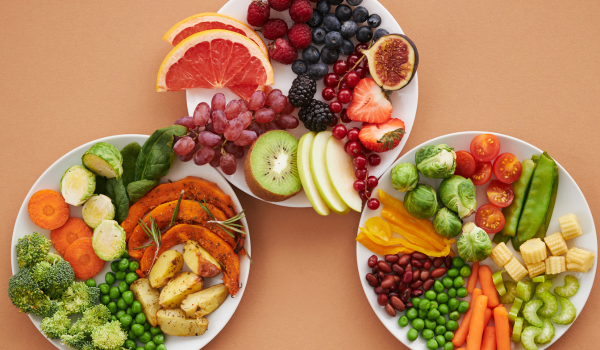
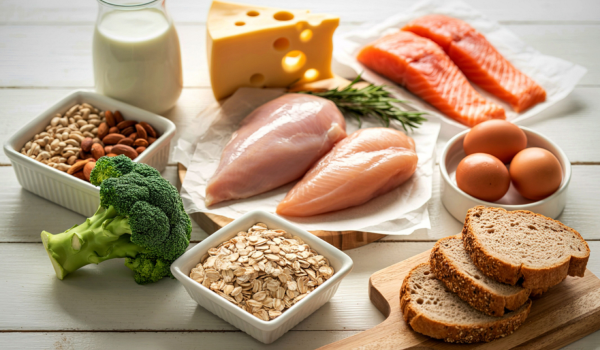
A well-rounded lunch includes:
-
Protein to stay full and support muscles
-
Fiber carbs or whole grains for long-lasting energy
-
Vegetables or fruit for vitamins and minerals
-
Healthy fats to support focus and satisfaction
Mix and match inexpensive foods, and you can create dozens of combinations without ever buying something new.
Stretch Ingredients Over Multiple Meals
Instead of planning five different lunch recipes per week, pick two or three base ingredients and use them in different ways. This keeps costs down while still offering variety.
Simple Meal Ideas That Work For Kids And Adults
Sandwiches With Upgrades
The sandwich is a classic for a reason—simple, affordable, and portable. Choose whole-grain bread and pair it with proteins like lean turkey, chicken salad, egg salad, or peanut butter. Add lettuce, sliced tomato, cucumber, shredded carrots, or spinach for color and crunch.
Wraps And Pinwheels
Make wraps using tortillas, hummus, leftover roasted veggies, sliced turkey, or cheese. For toddlers or younger children, cut wraps into small bite-size pinwheels to make eating more fun and less messy.
Rice Or Grain Bowls
Cook a batch of brown rice, quinoa, couscous, or whole-grain pasta early in the week. Mix with frozen or chopped vegetables, beans or leftover chicken, and a simple dressing—olive oil and lemon juice work for nearly everything.
Leftovers Reinvented
Last night’s roasted chicken becomes today’s chicken salad. Stir-fry can turn into a rice bowl or wrap. Extra chili works great in a thermos. Leftovers save both time and money.
Breakfast Foods For Lunch
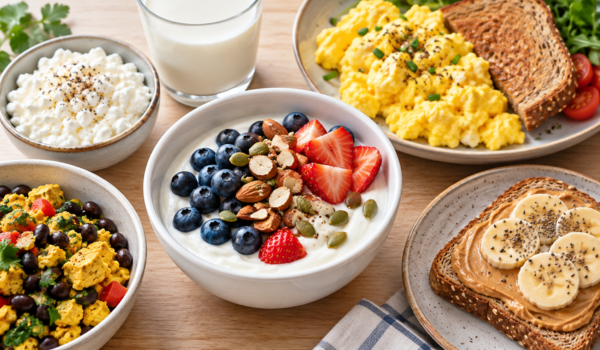
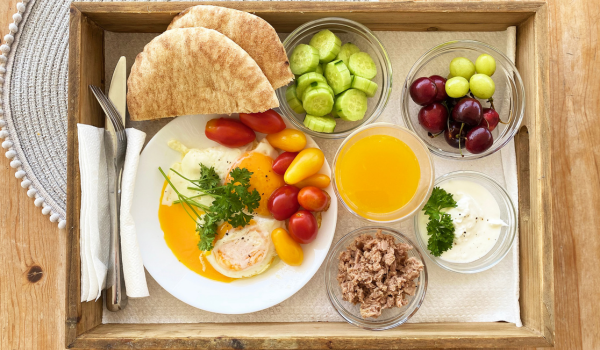
Egg muffins, overnight oats, yogurt parfaits, or whole-wheat pancakes with fruit can double as satisfying lunchbox meals—especially for picky eaters.
Budget-Friendly Proteins That Go Farther Than You Think
Canned Tuna, Salmon, And Chicken
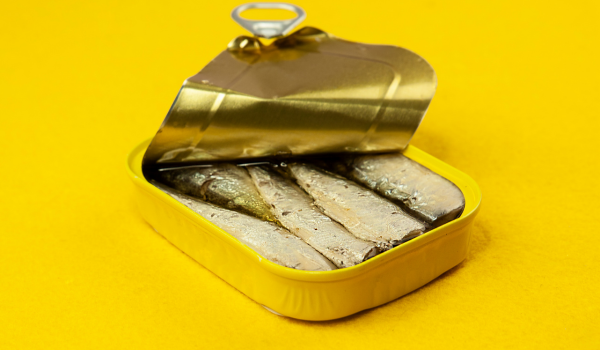
Shelf-stable, affordable, and packed with protein, these options work well for sandwiches, salads, or crackers.
Eggs
Boiled eggs take minutes to prepare and pair well with salads, grain bowls, or sandwiches.
Beans And Lentils
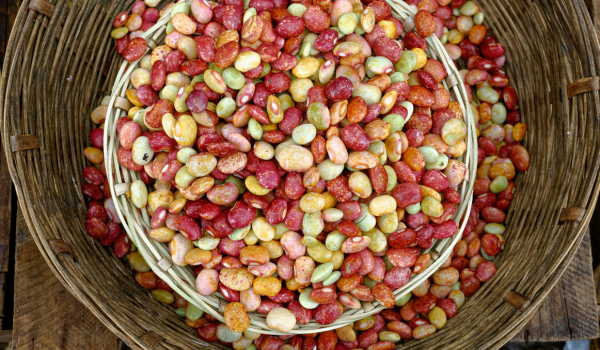
Canned or dried beans are some of the most budget-friendly protein sources available. Use them in burritos, salads, soups, and bowls.
Peanut Butter And Nut Butters
Great sources of healthy fat and protein, peanut butter sandwiches or fruit slices dipped in nut butter keep hunger at bay without breaking the bank.
Smart Ways To Pack Fruits And Vegetables Without Waste
Choose Produce That Lasts Longer
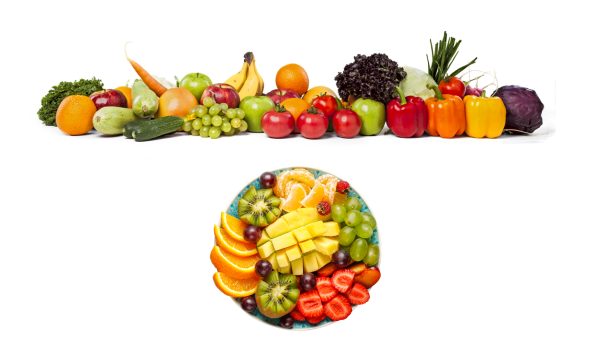
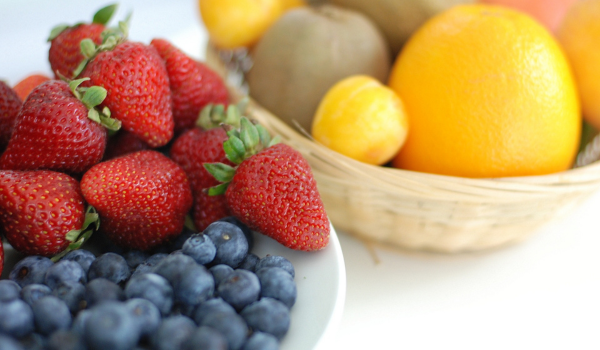
Budget-conscious eaters can prioritize affordable, long-lasting options like apples, oranges, carrots, cabbage, broccoli, and sweet potatoes. Frozen vegetables are also cost-effective and just as nutritious.
Cut And Pack Once
Wash and chop vegetables when you bring them home so grabbing them for lunch takes seconds. Store them in airtight containers.
Use Seasonal Produce
Produce in season tastes better, costs less, and helps rotate nutrients naturally throughout the year.
Snacks That Support Focus Without Added Cost
Instead of buying pre-packaged bars or chips, create simple snacks such as:
-
Popcorn popped at home
-
Sliced apples with peanut butter
-
Yogurt with oats or berries
-
Crackers with cheese
-
Trail mix made from bulk nuts and dried fruit
-
Carrot sticks with hummus
These snacks offer nutrition and satisfaction at a fraction of the cost of store-bought convenience foods.
Time-Saving Strategies For Busy Schedules
Prep A Few Essentials Once Per Week
Batch cooking goes a long way—boil pasta, grill chicken, cook a pot of beans, roast vegetables, or prepare a large salad base.
Assemble Lunches The Night Before
Morning stress increases the likelihood of grabbing something quick and less healthy. Packing ahead makes success effortless.
Have Backup Options Ready
Keep canned soup, tuna packets, instant rice cups, or frozen vegetables on hand for days when plans fall apart.
Making Lunch Appealing So It Gets Eaten
Add Something Familiar
Packing one “comfort” item like pretzels, a homemade cookie, or a small sweet can increase satisfaction and prevent kids from trading or skipping food.
Let Kids Choose Components
Give children two or three options and let them assemble the final meal. Involvement reduces waste and builds ownership over food choices.
Keep Flavors Simple
Many people skip home-packed lunches because they worry about boredom. A few sauces—salsa, vinaigrette, lemon juice, or hot sauce—turn simple ingredients into meals that taste fresh.
Conclusion
Packing nutritious lunches for school or work does not require high grocery costs, fancy ingredients, or hours of kitchen time. By using affordable staples, building balanced meals with protein and fiber, relying on leftovers, and planning a little ahead, you can feed yourself or your family well while keeping spending under control. Over time, these small packing habits translate into better health, steadier energy, sharper focus, and long-term savings. Start simple, use what you already have, and enjoy meals that nourish your goals and your budget.

.png)







.png)
.png)
.png)
.png)
.png)
.png)
.png)
.png)
.png)
.png)
.png)
.png)
.png)
.png)

.png)
.png)
.png)
.png)

