
.png)
Healthy weight loss requires more than simply cutting calories. For many women, hormones, metabolism, stress levels, and lifestyle patterns all play a significant role in how the body stores and burns fat. Proper nutrition supports the metabolism, stabilizes hunger, improves energy levels, and promotes sustainable results. Instead of restrictive diets, the focus should be on nourishing the body with foods that balance hormones, maintain muscle mass, and encourage fat loss. This guide explores how women can create a balanced eating plan that supports long-term, healthy weight loss.
Understanding Women’s Nutritional Needs During Weight Loss
Women experience unique biological factors that influence weight management.
Hormonal Influence On Hunger And Metabolism
Hormones such as estrogen, progesterone, insulin, and cortisol shape appetite, energy regulation, and fat storage. Fluctuations during the menstrual cycle, pregnancy, or menopause can affect cravings and metabolism. A nutrient-rich diet helps regulate hormones and supports fat loss more effectively.
The Importance Of Muscle Mass For Metabolic Rate
Muscle tissue burns more calories than fat. Losing weight too quickly can lead to muscle loss, slowing metabolism and making long-term weight control harder. Adequate protein intake helps women preserve lean muscle during weight loss.
Blood Sugar Balance And Cravings
Unstable blood sugar increases cravings for sweets and refined carbs. Eating balanced meals with protein, fiber, and healthy fats helps stabilize energy and reduce overeating.
Stress And Emotional Eating
Chronic stress raises cortisol levels, which may increase belly fat and lead to emotional eating. Proper nutrition supports stress management and helps maintain a calmer relationship with food.
Essential Nutrients For Healthy Weight Loss In Women
Women need a balance of macronutrients and micronutrients to support safe and effective weight loss.
Protein For Satiety And Muscle Retention
Protein reduces hunger and increases thermogenesis—the number of calories the body burns during digestion. Lean meats, eggs, tofu, yogurt, beans, and fish help maintain muscle while supporting fat loss.
Fiber For Fullness And Digestive Health
Fiber slows digestion, prevents overeating, and supports healthy blood sugar levels. High-fiber foods include vegetables, fruit, oats, chia seeds, lentils, quinoa, and whole grains.
Healthy Fats For Hormonal Balance
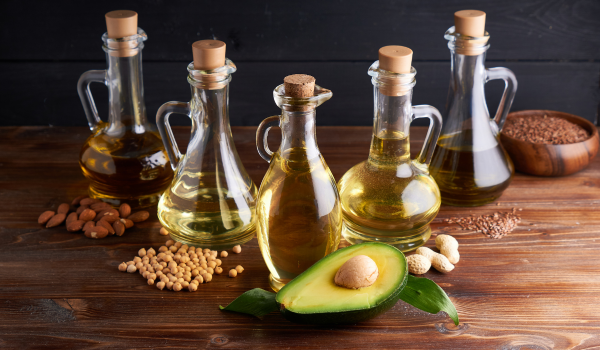
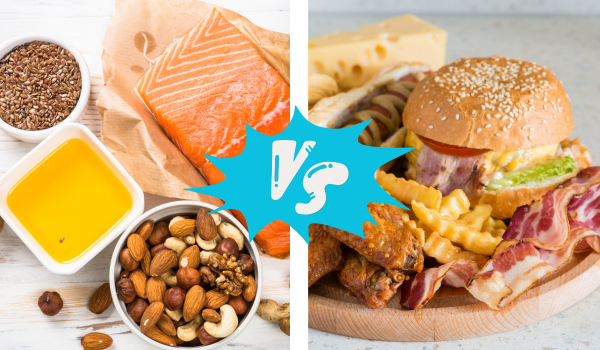
Healthy fats from avocados, nuts, olive oil, and fatty fish help regulate hormones and support satisfaction after meals. Low-fat fad diets often cause cravings and rebound overeating.
Complex Carbohydrates For Sustainable Energy
Whole grains, sweet potatoes, beans, and fruits provide long-lasting energy. They are essential for active women who exercise regularly.
Hydrating Fluids For Metabolism And Digestion
Water, herbal teas, and electrolyte-rich fluids keep the metabolism functioning efficiently. Dehydration can slow fat loss and increase hunger.
Micronutrients That Support Weight Loss
-
Iron boosts energy and prevents fatigue.
-
Magnesium supports stress reduction and digestion.
-
B vitamins help convert food into energy.
-
Vitamin D may influence metabolism and mood.
Best Foods For Women Trying To Lose Weight
These food groups support metabolic health, digestion, and hormonal balance.
Lean Proteins For Strength And Fullness
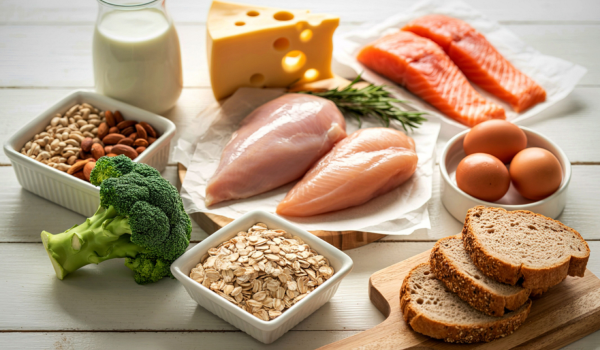
Chicken breast, turkey, fish, eggs, lentils, tofu, tempeh, and Greek yogurt provide high-quality protein with fewer calories.
Vegetables Rich In Fiber And Antioxidants
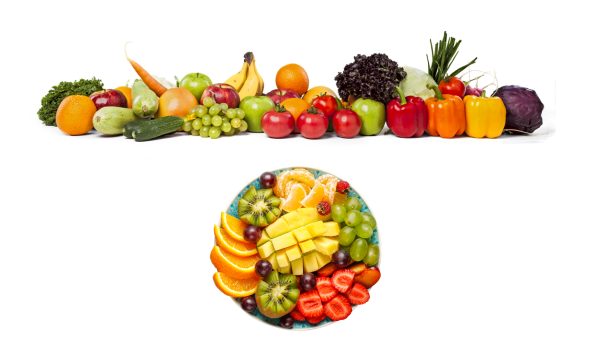
Leafy greens, broccoli, carrots, zucchini, bell peppers, and cauliflower are low in calories yet high in nutrients, ideal for volume eating.
Low-Sugar Fruits For Natural Sweetness
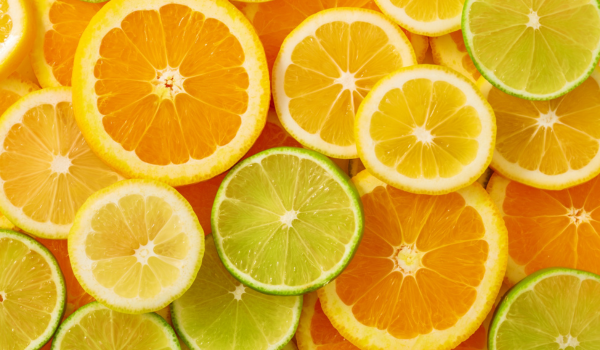
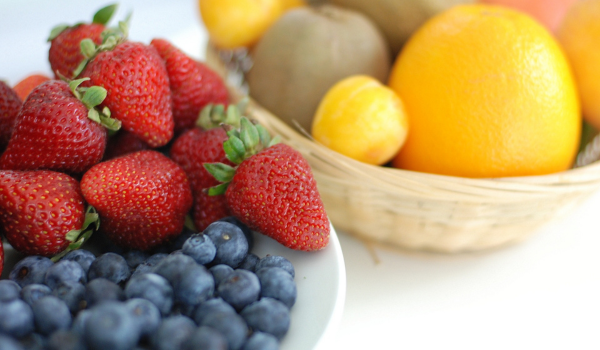
Berries, apples, pears, kiwi, oranges, and grapefruit are nutrient-dense and support digestion.
Whole Grains For Long-Lasting Energy
Quinoa, oats, brown rice, barley, and whole wheat pasta provide fiber and support steady energy levels.
Healthy Fats For Satiety
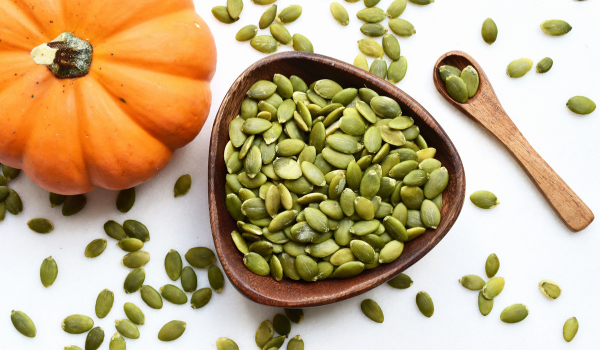
Avocados, nuts, seeds, and olive oil support fullness and prevent cravings.
Fermented Foods For Gut Health
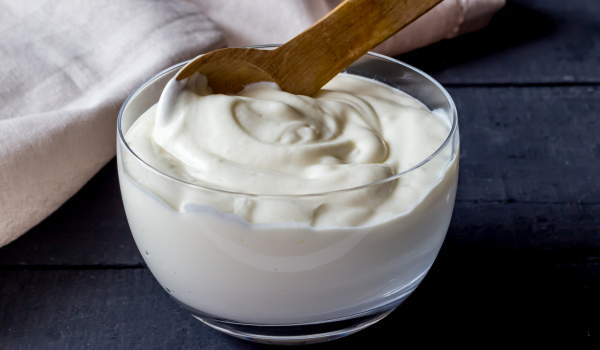
Yogurt, kefir, sauerkraut, and kimchi support digestion and may improve metabolism through gut microbiome health.
Foods And Habits That Slow Healthy Weight Loss
Avoiding certain foods helps improve hormonal balance and calorie control.
Sugary Drinks And High-Calorie Beverages
Sodas, sweetened coffees, flavored teas, and fruit juices add unnecessary calories without providing fullness.
Highly Processed Snacks
Chips, cookies, crackers, and packaged desserts cause blood sugar spikes and lead to overeating.
Refined Carbohydrates
White bread, pastries, white rice, and sugary cereals digest quickly and increase cravings.
Alcohol And Metabolic Slowdown
Alcohol slows fat burning, increases appetite, and adds extra calories.
Skipping Meals Or Extreme Dieting
Crash diets lower metabolism, trigger muscle loss, and often lead to weight regain.
Practical Nutrition Strategies For Healthy, Sustainable Weight Loss
Women benefit most from balanced, consistent, and realistic eating habits.
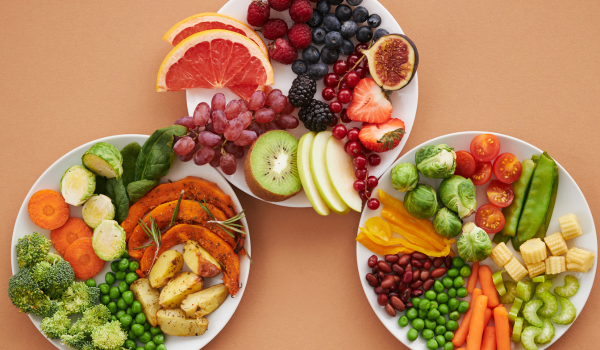
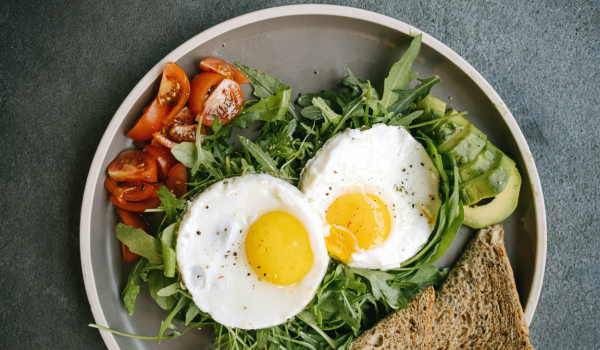
Follow The Balanced Plate Method
Each meal should include:
-
½ vegetables or fruit
-
¼ lean protein
-
¼ whole grains or complex carbs
-
A small portion of healthy fats
This structure supports fullness while keeping calories controlled.
Eat Protein At Every Meal
Protein helps reduce cravings and maintain muscle. Consuming 20–30 grams of protein per meal is ideal for most women.
Prioritize High-Fiber Foods
Fiber improves digestion, stabilizes blood sugar, and prevents overeating. Add vegetables, whole grains, and seeds to meals consistently.
Stay Hydrated Throughout The Day
Hydration helps control appetite and supports metabolic processes. Drinking water before meals may reduce overeating.
Choose Smart Snacks Between Meals
Healthy snacks prevent energy crashes. Examples include:
-
Nuts and fruit
-
Greek yogurt
-
Hummus with vegetables
-
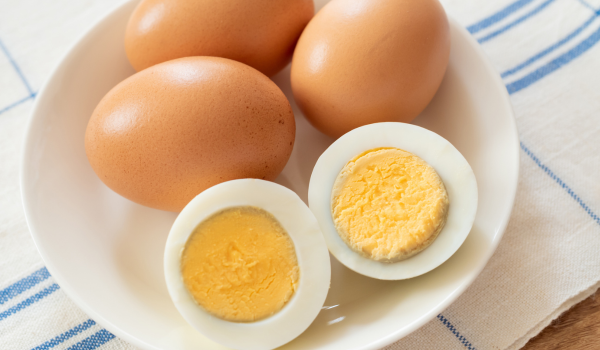
Hard-boiled eggs
-
Whole grain crackers with cheese
Plan Meals Ahead To Avoid Impulse Eating
Meal prepping supports consistent healthy choices and reduces reliance on fast food.
Practice Mindful Eating
Eating slowly supports better digestion and helps women recognize true hunger vs. emotional cravings.
Combine Nutrition With Physical Activity
Strength training helps increase metabolism, while cardio supports overall calorie burn. Combining both maximizes results.
Conclusion
Healthy weight loss for women is most successful when built on balanced nutrition, consistent habits, and supportive lifestyle patterns. Rather than extreme diets, a focus on protein, fiber-rich foods, healthy fats, and whole, natural ingredients helps women lose weight effectively and sustainably. With the right strategies, women can improve energy, mood, and confidence while reaching their weight goals. Begin applying these nutrition principles today to create long-lasting, healthy change.

.png)
.png)
.png)
.png)
.png)
.png)
.png)
.png)
.png)
.png)
.png)
.png)
.png)
.png)
.png)

.png)
.png)
.png)
.png)
.png)
.png)

