.png)
Stomach conditions such as gastritis, acid reflux, ulcers, and chronic indigestion affect millions of people worldwide. These issues can cause discomfort, pain, bloating, nausea, and significant disruptions to daily life. While medical treatment plays an essential role in managing symptoms, nutrition is equally important. The foods you choose can soothe the stomach lining, reduce acid irritation, support digestion, and promote long-term healing. This guide provides a detailed overview of the best dietary practices for individuals with stomach-related conditions, helping them eat comfortably and protect digestive health.
Understanding Stomach Conditions And Dietary Needs
Different stomach conditions share common triggers and nutritional sensitivities.
How Stomach Inflammation Develops
Gastritis and ulcers occur when the stomach lining becomes irritated or damaged. Factors such as stress, infection, alcohol, spicy foods, and certain medications increase inflammation. Eating gentle, non-irritating foods supports healing.
Acid Production And Trigger Foods
People with reflux or hyperacidity experience burning sensations because stomach acid moves upward or is produced excessively. Fatty, fried, and spicy foods often worsen symptoms by relaxing the lower esophageal sphincter or stimulating acid production.
Slowed Digestion And Bloating
Conditions like indigestion or delayed gastric emptying make it difficult for the stomach to process heavy meals. Large portions, high-fat foods, or excessive fiber can worsen bloating and discomfort.
The Role Of Nutrition In Stomach Healing
Proper nutrition can reduce irritation, stabilize digestion, protect the stomach lining, and prevent further inflammation. The goal is to choose foods that are gentle, soothing, and easily digestible while avoiding known irritants.
Essential Nutrients That Support Digestive Comfort
Certain nutrients help repair tissue, regulate acid, and promote smoother digestion.
Fiber For Gentle Digestion
Soluble fiber helps regulate digestion and prevent irritation. Oats, bananas, applesauce, chia seeds, and cooked vegetables provide stomach-friendly fiber without triggering bloating.
Lean Protein For Tissue Repair
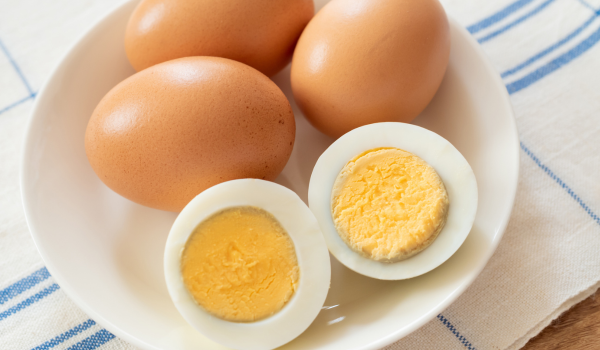
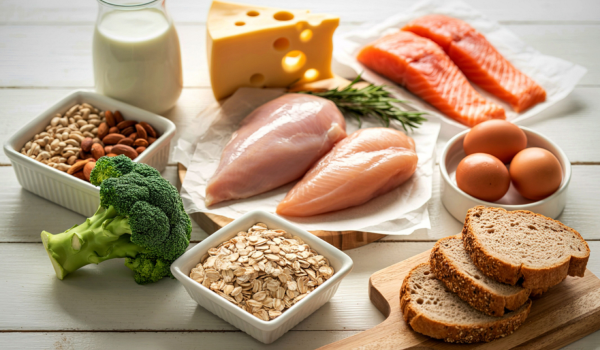
Protein is essential for rebuilding damaged stomach lining. Lean chicken, turkey, tofu, white fish, and eggs offer high-quality protein that is easy on digestion.
Healthy Fats For Reduced Irritation
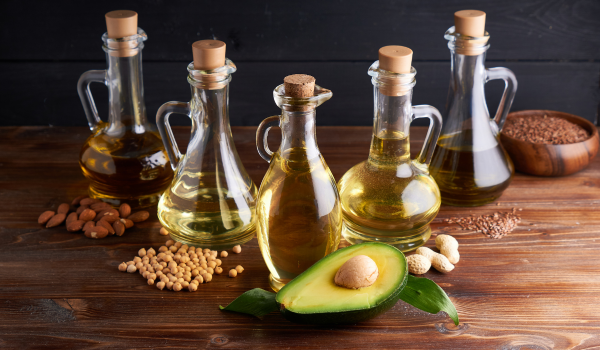
Healthy fats from olive oil, avocado, and nuts support nutrient absorption without triggering acid reflux as heavily as fried or saturated fats.
Antioxidants For Healing And Protection
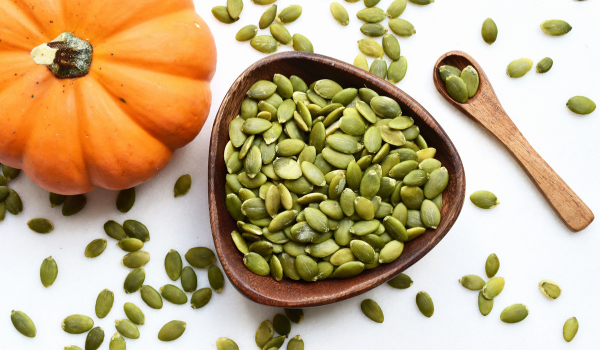
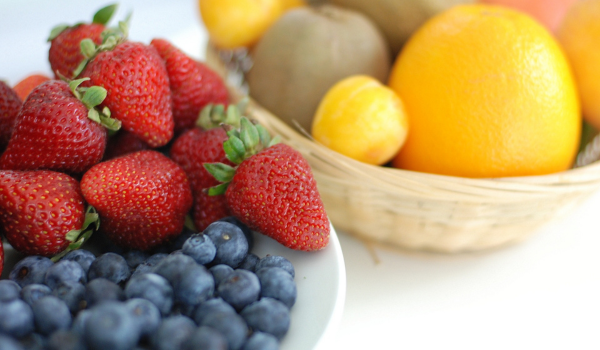
Antioxidants from berries, leafy greens, pumpkin, carrots, and ginger help reduce inflammation and support tissue repair.
Probiotics For Gut Balance
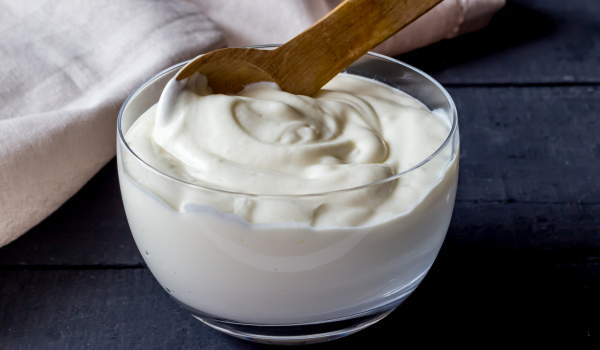
Yogurt with live cultures, kefir, kimchi, and miso support healthy gut bacteria and may reduce discomfort from indigestion or inflammation.
Hydration For Acid Balance
Water helps dilute stomach acid and supports the digestive process. Mild herbal teas such as chamomile or ginger tea can further soothe the stomach.
Best Foods For People With Stomach Conditions
These foods are known for being gentle, non-irritating, and supportive of digestive function.
Bananas For Soothing The Stomach
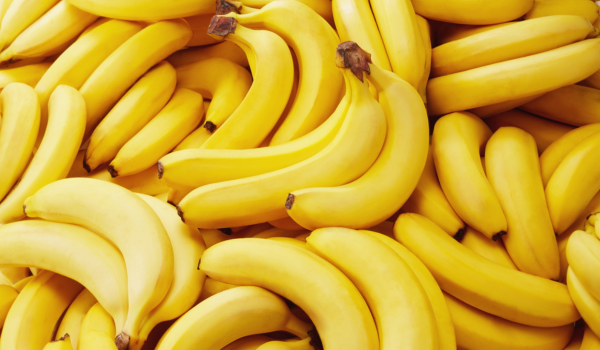
Bananas provide soluble fiber and potassium and help coat the stomach lining. They are often recommended for those with gastritis or indigestion.
Oatmeal And Warm Grains
Oats, rice porridge, quinoa, and cream of rice are soft, easy to digest, and help regulate stomach acid. They provide long-lasting energy without irritation.
Lean Proteins That Are Easy On Digestion
Boiled, steamed, or baked chicken and fish provide protein without added fat. Eggs are another gentle option that offers essential nutrients with minimal irritation.
Cooked Vegetables For Better Tolerance
Boiled carrots, pumpkin, spinach, green beans, and zucchini provide vitamins without the harsh fibers found in raw vegetables. Cooking reduces strain on the stomach.
Low-Acid Fruits For Reduced Irritation
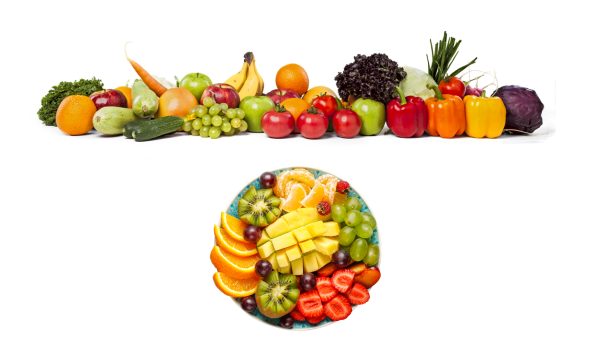
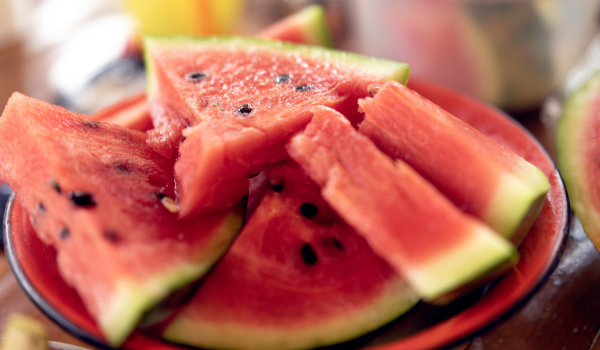
Applesauce, pears, papaya, and melons are generally well tolerated. Papaya contains enzymes that aid digestion.
Ginger And Chamomile For Calmness
Ginger helps reduce nausea, while chamomile relaxes stomach muscles and supports digestion. Both are helpful for people with chronic stomach discomfort.
Foods And Habits To Avoid For Better Stomach Health
Certain foods irritate the stomach lining or increase acid production, worsening symptoms.
Spicy Foods That Trigger Irritation
Chili, pepper, hot sauces, and highly seasoned dishes can inflame the stomach lining and worsen reflux.
Caffeine And Carbonated Drinks
Coffee, soda, and energy drinks stimulate acid production and may cause bloating or discomfort. Caffeine also relaxes the esophageal valve, contributing to reflux.
High-Fat And Fried Foods
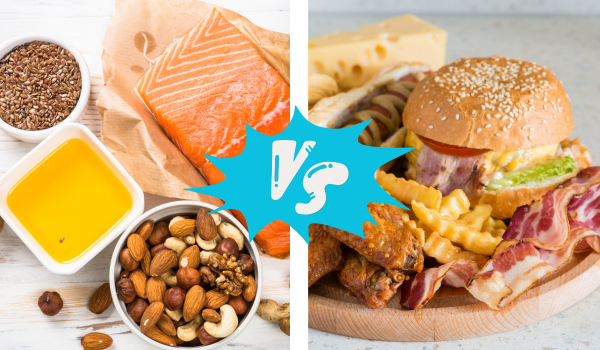
Fat slows digestion, leading to bloating and heaviness. Fried foods increase acid reflux and irritate sensitive stomachs.
Citrus And Acidic Fruits
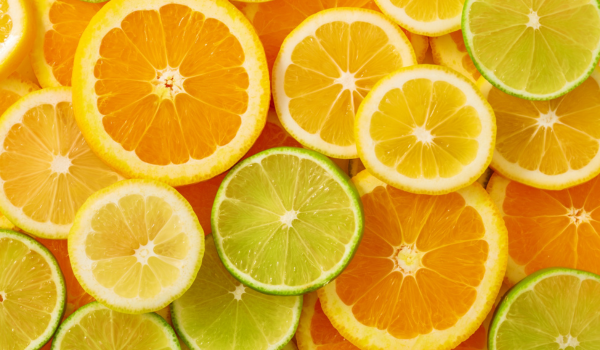
Oranges, lemons, grapefruit, and pineapple are too acidic for people with sensitive stomachs or reflux.
Tomato-Based Sauces And Foods
Tomatoes naturally contain high levels of acid, which can aggravate gastritis or reflux symptoms.
Alcohol And Smoking
Alcohol erodes the stomach lining and increases inflammation. Smoking weakens the esophageal valve and slows healing.
Large Meals And Eating Too Late
Heavy meals pressure the digestive system and contribute to reflux. Eating late at night makes symptoms worse when lying down.
Practical Nutrition Strategies For People With Stomach Problems
Simple habits can significantly improve comfort and reduce flare-ups.
Eat Small, Frequent Meals Instead Of Large Portions
Eating smaller meals reduces acid production and prevents pressure on the stomach. Frequent, balanced meals support digestion without overwhelming the system.
Chew Food Slowly And Thoroughly
Proper chewing reduces the workload on the stomach, easing digestion and decreasing irritation.
Avoid Lying Down After Eating
Waiting at least two to three hours before lying down helps prevent reflux and indigestion.
Incorporate Gentle Cooking Methods
Steaming, boiling, baking, and poaching reduce irritation compared to frying or heavy grilling.
Keep A Food Diary To Identify Triggers
Each person’s stomach responds differently. Tracking meals and symptoms helps identify food triggers and prevent future flare-ups.
Manage Stress To Support Digestion
Stress worsens stomach symptoms by increasing acid production and slowing digestion. Mindfulness, deep breathing, and regular exercise support digestive comfort.
Consider Probiotic Foods Daily
Probiotics support good bacteria in the gut, helping digestion and reducing inflammation over time.
Conclusion
People with stomach conditions benefit greatly from mindful eating habits and gentle, nutrient-rich meals. By choosing foods that soothe the stomach, avoiding irritants, and following strategies that support digestion, individuals can reduce discomfort and promote healing. Consistent habits make a significant difference, helping maintain long-term digestive health. Explore additional nutrition resources to build a stomach-friendly lifestyle that enhances comfort and well-being.

.png)





.png)
.png)
.png)
.png)
.png)
.png)
.png)
.png)
.png)
.png)
.png)
.png)
.png)
.png)


.png)
.png)
.png)
.png)
.png)
.png)