

Office workers often face unique nutritional challenges due to long hours of sitting, busy schedules, and limited access to healthy meals during the workday. While desk jobs may seem less physically demanding, they can contribute to fatigue, weight gain, poor digestion, and reduced productivity when nutrition is neglected. A balanced diet can significantly improve focus, energy levels, and long-term health. This guide explores the essential nutrients office workers need, foods that enhance performance, and practical eating strategies to stay healthy despite a sedentary work environment.
Understanding The Nutritional Needs Of Office Workers
A desk-based lifestyle affects metabolism, digestion, and overall well-being. Understanding how nutrition influences energy, concentration, and physical health helps office workers make better daily choices.
Sedentary Lifestyle And Slower Metabolism
Sitting for prolonged periods reduces calorie burn and slows metabolic rate. Without mindful eating, this can lead to weight gain and decreased muscle activity. Foods rich in nutrients rather than empty calories help support a healthy metabolism.
Mental Fatigue And Brain Function
Office tasks require sustained concentration, memory, and problem-solving. Nutrients like omega-3s, B vitamins, and antioxidants support cognitive function and reduce mental burnout.
Digestive Challenges From Sitting All Day
Poor posture and long periods of sitting slow digestion. Fiber-rich foods and adequate hydration improve bowel movements and reduce discomfort such as bloating or constipation.
Stress, Deadlines, And Emotional Eating
Stressful work environments often lead to cravings for sugary or salty snacks. Choosing healthier alternatives can stabilize mood and reduce stress-induced overeating.
Essential Nutrients That Support Office Workers
Focusing on the right nutrients helps maintain productivity, energy, and long-term health.
Complex Carbohydrates For Steady Energy
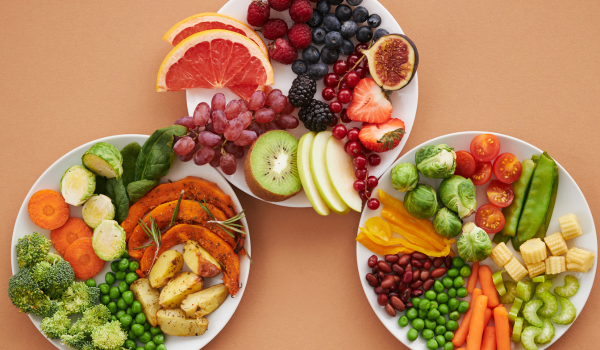
Whole grains, fruits, and vegetables release energy slowly, preventing mid-afternoon crashes. These foods support stable blood sugar and improve concentration.
Protein For Satiety And Muscle Support
Lean meats, fish, eggs, tofu, legumes, and Greek yogurt provide nutrients that build and maintain muscle mass. Protein also helps you feel full longer, reducing mindless snacking at work.
Healthy Fats For Brain Function
Omega-3 fatty acids support cognitive performance, memory, and mood regulation. Sources include salmon, walnuts, chia seeds, flaxseeds, and olive oil.
Fiber For Digestive Health
Fiber improves gut health and keeps digestion functioning smoothly—especially important for those who sit most of the day. Fruits, vegetables, oats, beans, and whole grains are excellent sources.
Hydration For Focus And Energy
Dehydration causes headaches, fatigue, and reduced concentration. Water, herbal teas, and hydrating foods help maintain fluid balance throughout the workday.
Antioxidants For Cell Protection
Berries, leafy greens, citrus fruits, nuts, and seeds contain antioxidants that fight inflammation and oxidative stress caused by long hours of screen time.
Magnesium And B Vitamins For Stress Reduction
These nutrients support nerve function and help reduce the impact of workplace stress. Foods like bananas, almonds, spinach, and whole grains are rich in stress-relieving minerals and vitamins.
Healthy Foods That Benefit Office Workers
Making nutritious choices throughout the day helps office workers stay energetic, focused, and healthy.
Vegetable-Rich Salads With Lean Protein
A salad with leafy greens, colorful vegetables, grilled chicken or tofu, olive oil, and nuts provides fiber, protein, and antioxidants. This combination prevents sluggishness after lunch.
Whole Grains For Sustained Energy
Brown rice, quinoa, oats, and whole wheat bread provide steady energy for long workdays. These foods help avoid blood sugar fluctuations that reduce productivity.
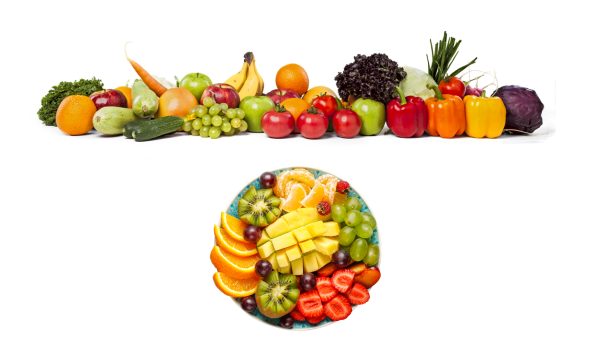
Fruits For Quick, Nutritious Snacks
Apples, bananas, berries, and oranges make convenient desk-friendly snacks. They offer natural sugars and vitamins that boost energy without causing crashes.
Nuts And Seeds For Healthy Fats
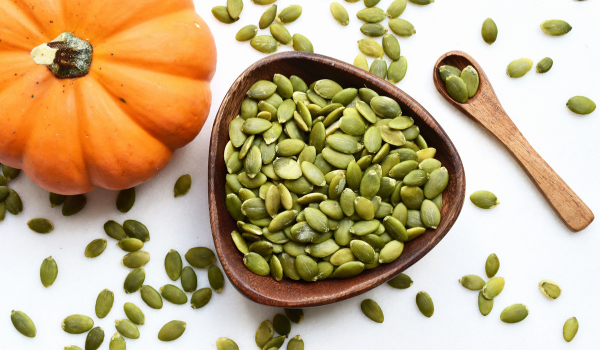
Almonds, walnuts, pumpkin seeds, and chia seeds provide healthy fats and protein. They help reduce cravings and support brain health, making them ideal mid-afternoon snacks.
Greek Yogurt And High-Protein Snacks
Greek yogurt, cottage cheese, or protein smoothies provide high-quality protein and probiotics that support digestive health.
Lean Proteins For Balanced Meals
Salmon, chicken breast, turkey, beans, and lentils help maintain muscle strength and provide long-lasting energy during sedentary work hours.
Hydrating Foods And Fluids
Cucumbers, watermelon, herbal teas, and infused water contribute to hydration without added sugars or artificial ingredients.
Foods And Habits To Limit At The Office
While healthy foods improve performance, other choices can negatively affect energy and long-term health.
Sugary Snacks And Baked Goods
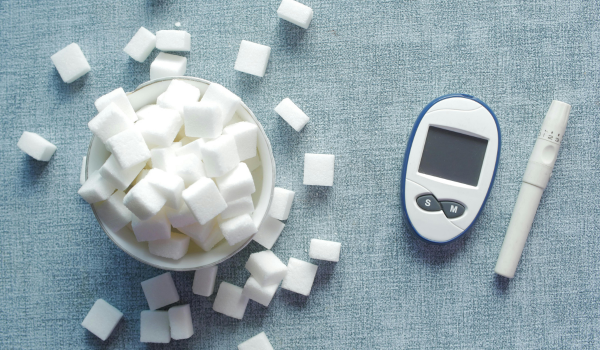
Donuts, cookies, and pastries provide quick energy but lead to crashes shortly after. Frequent consumption contributes to weight gain and fatigue.
Caffeinated And Sugary Drinks
Energy drinks, sweetened coffee, and soda increase stress, disrupt sleep, and cause dehydration. These beverages also spike blood sugar levels.
Fast Food And Processed Meals
High-sodium fast food meals cause bloating, poor digestion, and reduced focus. Opting for homemade meals or healthier takeout options is a better choice.
Late-Night Eating Due To Work Stress
Working late can lead to excessive nighttime snacking. Eating heavy meals before bed disrupts digestion and sleep quality.
Practical Nutrition Strategies For Office Workers
Adopting simple strategies can greatly improve daily nutrition, productivity, and overall wellness.
Prep Lunches And Snacks In Advance
Preparing meals at home ensures better nutrition and portion control. Balanced lunches with protein, whole grains, and vegetables help maintain stable energy throughout the day.
Set Up A Healthy Desk Snack Drawer
Stocking nuts, dried fruits without added sugar, dark chocolate, whole-grain crackers, or protein bars helps avoid vending machine temptations.
Drink Water Throughout The Day
Keeping a water bottle at your desk encourages regular hydration. Adding lemon, mint, or fruit slices enhances flavor without added sugar.
Plan Balanced Breakfasts
Skipping breakfast leads to overeating later. A balanced breakfast with oats, fruit, eggs, or yogurt sets the tone for the entire day.
Take Movement Breaks
Short walks or stretching boosts metabolism, enhances circulation, and improves digestion. Moving for even 5 minutes every hour can reduce fatigue.
Choose Lighter Lunches To Prevent Afternoon Slumps
Heavy meals slow digestion and decrease alertness. Opting for lean protein and vegetables helps maintain mental clarity.
Eat Mindfully And Avoid Distractions
Eating while working leads to overeating. Taking time to enjoy meals supports better digestion and awareness of hunger cues.
Conclusion
Good nutrition plays a critical role in maintaining the health, energy, and productivity of office workers. By choosing nutrient-dense foods, staying hydrated, avoiding excessive sugar and processed ingredients, and developing supportive habits, office workers can overcome the challenges of sedentary lifestyles. Begin applying these strategies today and explore more nutrition resources that help support long-term wellness and professional performance.

.png)
















.png)
.png)
.png)
.png)


.png)
.png)
.png)
.png)
.png)
.png)
.png)
.png)
.png)
.png)




.png)
.png)
.png)
.png)
.png)
.png)

