

Manual labor workers rely heavily on physical strength, endurance, and muscular stability to get through long and demanding workdays. Whether lifting, digging, moving heavy objects, or operating machinery, their bodies require more energy and nutrients than those with sedentary jobs. Proper nutrition not only boosts performance but also reduces fatigue, prevents injury, supports muscle recovery, and improves long-term health. This guide explores essential nutrients, high-energy foods, and practical eating strategies to help manual labor workers stay strong, resilient, and energized.
Understanding The Nutritional Needs Of Manual Labor Workers
Physical labor places significant stress on the body, increasing the demand for calories, hydration, and micronutrients.
Higher Calorie Requirements For Physical Output
Intense physical labor burns large amounts of calories every hour. Workers who do not consume enough energy may experience fatigue, muscle loss, slower reaction times, and reduced productivity. Depending on body size and activity level, many manual laborers require 2,800 to 4,000 calories daily.
Increased Need For Protein And Muscle Repair
Heavy lifting, repetitive movements, and strenuous tasks cause micro-tears in muscle fibers. Protein is needed to repair these tissues and grow stronger muscles. Without enough protein, recovery slows and risk of injury increases.
Electrolyte Loss Through Sweat
Working outdoors or in hot environments accelerates sweating, which leads to loss of sodium, potassium, and magnesium. These electrolytes are essential for muscle contractions, hydration, and preventing cramps.
Carbohydrate Demand For Rapid Energy
Carbohydrates act as the primary fuel source for physical labor. They provide quick and sustainable energy needed to perform continuous heavy-duty tasks.
Hydration And Body Temperature Regulation
Dehydration affects strength, coordination, and cognitive performance. Proper hydration maintains endurance, prevents overheating, and supports metabolic function.
Essential Nutrients Manual Labor Workers Need
A balanced approach ensures long-lasting energy, better recovery, and stronger physical performance.
Complex Carbohydrates For Sustained Energy
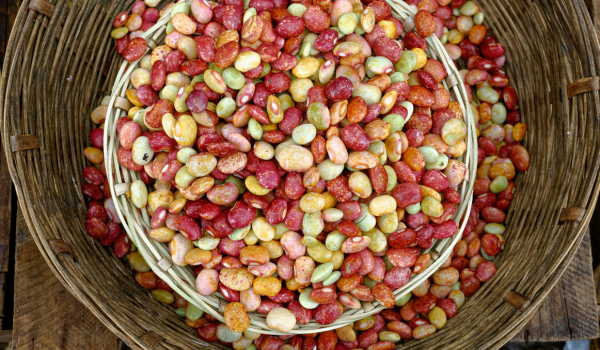
Whole grains, oats, brown rice, quinoa, sweet potatoes, and beans provide slow-release energy that fuels the body for long work hours. These carbs help maintain stable blood sugar and prevent mid-shift energy crashes.
Protein For Muscle Strength And Recovery
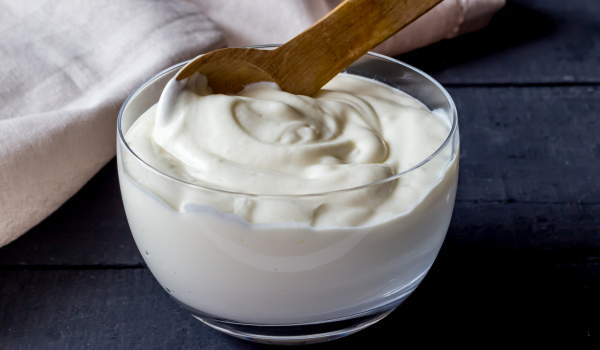
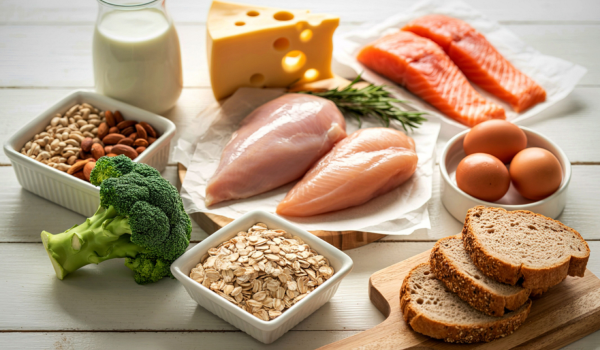
Lean meat, eggs, fish, tofu, Greek yogurt, cottage cheese, and legumes repair damaged muscle fibers and promote muscle growth. Consuming protein throughout the day helps maintain strength and endurance.
Healthy Fats For Long-Lasting Fuel
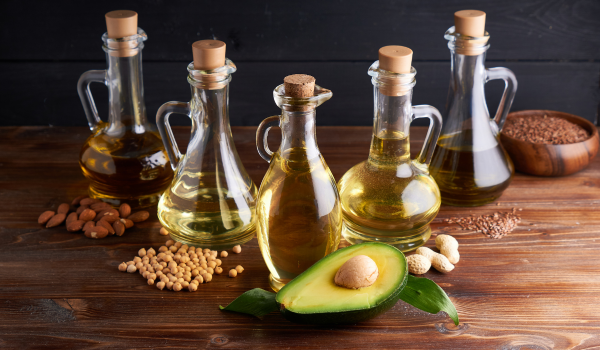
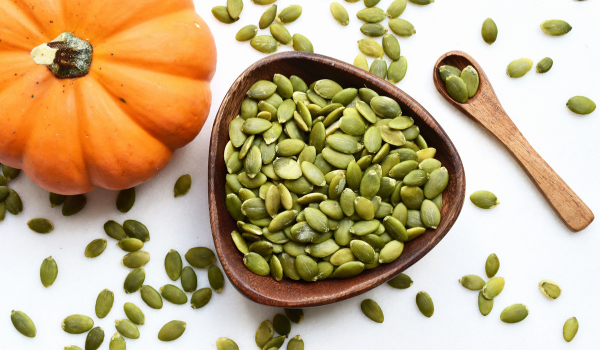
Avocados, nuts, seeds, olive oil, and fatty fish contain healthy fats that provide long-term energy and reduce inflammation. They help manual laborers stay energized without feeling heavy or sluggish.
Electrolytes For Hydration And Muscle Function
Bananas, oranges, coconut water, leafy greens, nuts, and electrolyte drinks help replenish sodium, potassium, and magnesium lost through sweat. These nutrients prevent cramps, weakness, and heat exhaustion.
Iron For Oxygen Transport And Energy Production
Iron supports red blood cell production, helping transport oxygen to muscles. Good sources include lean beef, spinach, beans, and fortified cereals. Low iron levels can cause fatigue and poor performance.
Calcium And Vitamin D For Bone Strength
Strong bones reduce the risk of fractures and joint issues. Milk, yogurt, cheese, broccoli, and fortified plant milks provide calcium, while sunlight and fatty fish supply vitamin D.
Antioxidants For Reducing Inflammation
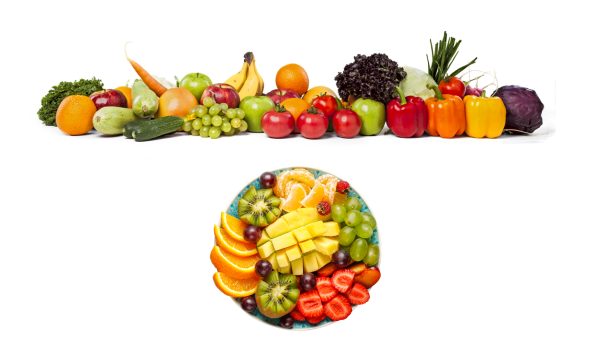
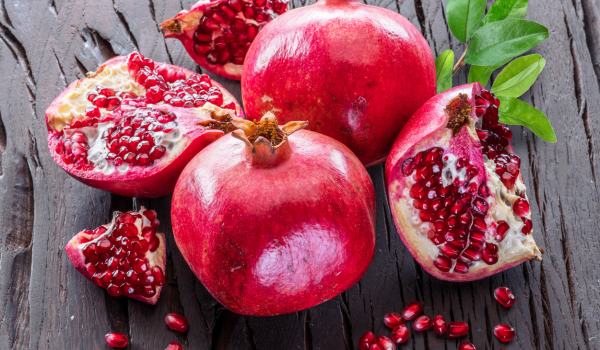
Berries, leafy greens, nuts, seeds, and colorful vegetables help fight oxidative stress caused by physical exertion. These nutrients support faster recovery and reduced muscle soreness.
Best Foods For Manual Labor Workers
Selecting nutrient-dense foods helps workers stay energized throughout physically demanding shifts.
High-Energy Breakfast Options
Breakfast should combine carbs, protein, and healthy fats to fuel the morning shift. Examples include:
-
Oatmeal with bananas and nuts
-
Whole grain toast with eggs and avocado
-
Smoothies with berries, yogurt, and chia seeds
-
Greek yogurt with honey and granola
These meals provide a strong nutritional base for physically intense work.
Protein-Rich Meals For Strength
Lunch and dinner should include lean proteins such as grilled chicken, turkey, fish, tofu, or beans paired with whole grains and vegetables. Balanced meals help maintain energy and support muscle repair after a long workday.
Healthy Snacks To Maintain Energy
Manual labor workers often need snacks between meals due to high energy expenditure. Ideal options include:
-
Nuts and seeds
-
Protein bars
-
Fresh fruit
-
Peanut butter sandwiches
-
Hard-boiled eggs
These foods stabilize energy and prevent fatigue during long shifts.
Electrolyte-Rich Foods For Hydration
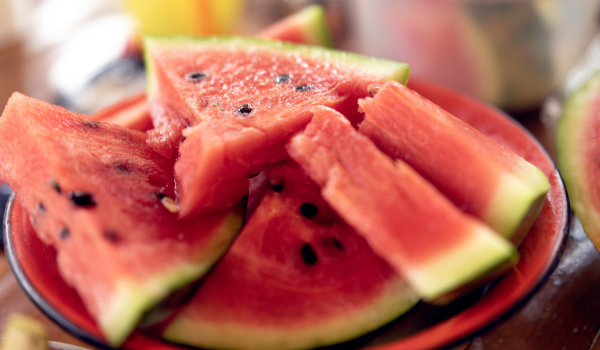
Coconut water, bananas, oranges, salted nuts, and electrolyte tablets replenish minerals lost through sweat, especially during hot weather or outdoor labor.
Anti-Inflammatory Foods For Recovery
Leafy greens, berries, tomatoes, olive oil, fatty fish, and turmeric support muscle recovery and reduce inflammation from repetitive physical stress.
Foods And Habits To Limit For Better Performance
Unhealthy foods may cause energy crashes, slow digestion, dehydration, and increased injury risk.
Sugary Drinks And Energy Drinks
While they provide quick energy, they later lead to crashes, dehydration, and heart stress. Water and electrolyte drinks are safer alternatives.
Highly Processed Fast Food
Fast food meals contain saturated fats, sodium, and refined carbs that slow digestion and make workers feel tired or bloated.
Excessive Caffeine
Large amounts of coffee or energy drinks increase heart rate and disrupt hydration. Moderate caffeine is acceptable, but water should always be the main fluid source.
Greasy Or Heavy Meals Before Work
Greasy foods slow digestion and reduce agility and focus. Eating lighter meals before demanding shifts helps maintain performance.
Practical Nutrition Strategies For Manual Labor Workers
Small, consistent habits support strength, energy, and overall health.
Eat A Balanced Meal Before Starting Work
A combination of carbs, protein, and fat supports energy and stamina throughout the shift.
Pack Healthy Lunches And Snacks
Bringing homemade meals prevents reliance on fast food and ensures consistent nutrient intake.
Hydrate Before, During, And After Work
Drink water regularly and increase intake during hot conditions. Adding electrolytes helps maintain hydration balance.
Refuel Immediately After Work
A post-work meal containing protein and carbohydrates improves recovery and prepares the body for the next day’s labor.
Prepare Meals Ahead Of Time
Meal prepping saves time, reduces stress, and guarantees nutritious choices for busy workers.
Listen To The Body’s Hunger And Thirst Signals
Fatigue, headaches, and dizziness are early signs of dehydration or low energy and should never be ignored.
Conclusion
Manual labor workers rely on physical strength and endurance every day, making proper nutrition essential for health and performance. By choosing high-energy foods, prioritizing protein, staying hydrated, and incorporating nutrient-dense meals into daily routines, workers can stay strong, productive, and injury-free. Start applying these strategies today to support long-term wellness and professional resilience.

.png)












.png)
.png)
.png)
.png)

.png)
.png)
.png)
.png)
.png)
.png)
.png)
.png)
.png)
.png)



.png)
.png)
.png)
.png)
.png)
.png)

