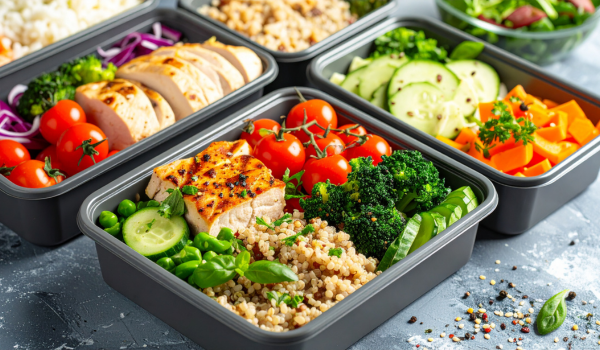
Proper nutrition is essential for anyone who participates in regular workouts, whether the goal is building muscle, losing fat, improving strength, or enhancing endurance. Exercise creates physiological stress on the body, increasing the need for specific nutrients that support muscle repair, energy production, and overall performance. While gym training dictates how your body is stimulated, nutrition determines how well you recover and progress. This guide explores the key nutrients, ideal food choices, and practical eating habits that help gym-goers maximize results and maintain long-term fitness.
Understanding The Nutritional Needs Of Gym-Goers
Working out increases the body’s demands for fuel, hydration, and recovery nutrients. Knowing how nutrition influences performance helps you build more effective fitness routines.
Increased Energy Requirements During Workouts
Exercise burns calories and uses glycogen—the stored form of carbohydrates—as a primary energy source. Without adequate fuel, workouts feel harder and progress slows. Proper pre-workout and post-workout meals ensure consistent training performance.
Muscle Repair And Growth After Exercise
Strength training creates micro-tears in muscle fibers. Protein and amino acids are needed to repair these fibers and build stronger, larger muscles. Without sufficient protein, muscle recovery becomes slow and inefficient.
Hydration And Electrolyte Balance
Sweating leads to the loss of water and electrolytes like sodium, potassium, and magnesium. These minerals are essential for preventing cramps, maintaining stamina, and keeping the nervous system functioning effectively.
Nutrient Timing For Better Results
Eating the right nutrients at the right time can significantly improve endurance, muscle gains, and fat loss. Both pre-workout fuel and post-workout recovery meals play important roles in overall progress.
Essential Nutrients That Support Workout Performance
Certain nutrients are vital for boosting energy, improving endurance, building muscle, and supporting recovery.
Carbohydrates For Energy And Performance
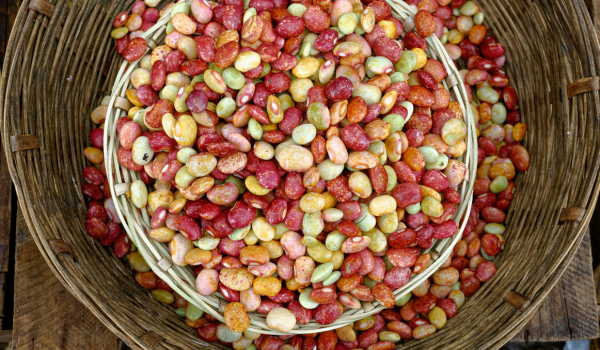
Carbohydrates are the body’s preferred energy source during exercise. Whole grains, fruits, oats, sweet potatoes, and legumes provide stable energy and replenish glycogen stores. Low-carb diets may reduce workout stamina if not carefully managed.
Protein For Muscle Growth And Repair
Protein supplies essential amino acids that help rebuild muscle after intense training. Lean meats, eggs, dairy, tofu, beans, lentils, and protein shakes are valuable for meeting protein needs. Most gym-goers benefit from 1.2–2.0 grams of protein per kilogram of body weight per day.
Healthy Fats For Hormonal Balance
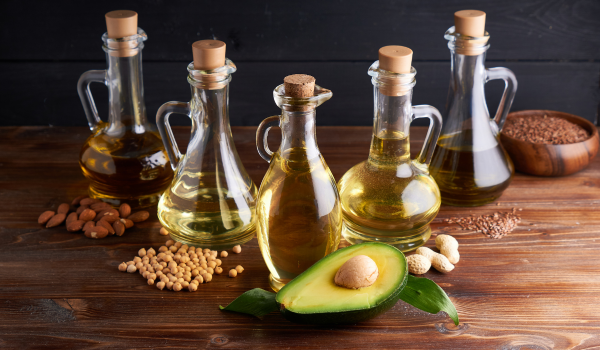
Fats support hormones linked to muscle growth, energy regulation, and recovery. Avocados, nuts, seeds, olive oil, and fatty fish provide healthy fats that enhance overall athletic performance.
Hydration And Electrolytes For Stamina
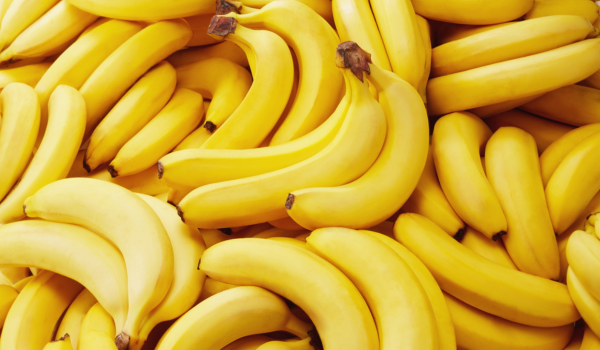
Water is crucial for temperature control, energy, and muscle function. Electrolytes lost through sweat—especially sodium and potassium—should be replenished through bananas, coconut water, electrolyte tablets, or sports drinks if workouts are long or intense.
Vitamins And Minerals For Strength And Endurance
-
Iron supports oxygen delivery to muscles
-
Magnesium aids muscle relaxation and prevents cramps
-
Vitamin D and calcium support bone strength
-
B vitamins help convert food into energy
A nutrient-rich diet covers these needs without requiring excessive supplements.
Best Foods For Gym-Goers
Choosing nutrient-dense foods improves workout performance, supports recovery, and fuels muscle development.
Lean Proteins For Strength And Muscle Maintenance
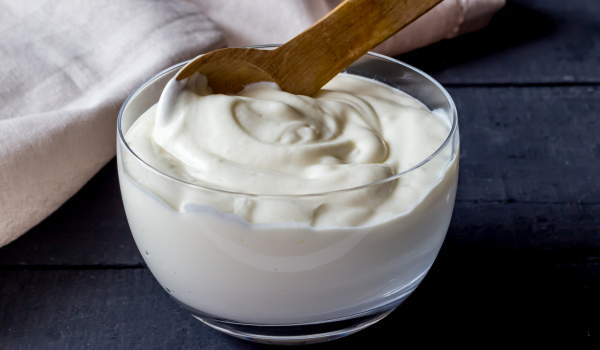
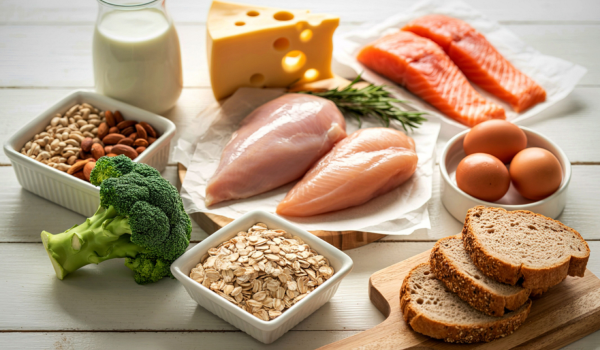
Chicken breast, turkey, fish, tofu, eggs, dairy, beans, and Greek yogurt offer high-quality protein. Grilled or baked options are ideal for muscle-building meals.
Complex Carbohydrates For Sustained Energy
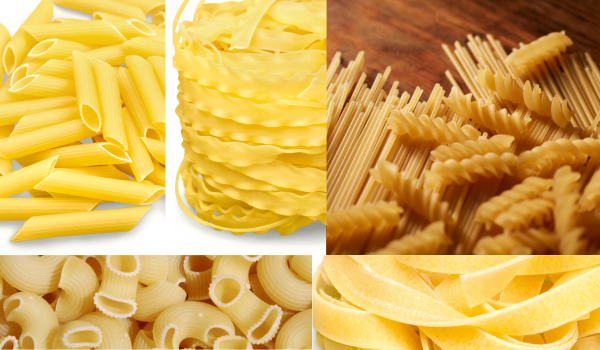
Oats, quinoa, brown rice, whole wheat bread, sweet potatoes, and fruits supply long-lasting fuel. These foods prevent sudden energy crashes during intense training.
Healthy Fats For Recovery And Endurance
Salmon, walnuts, chia seeds, flaxseeds, avocados, and olive oil improve hormone production and reduce inflammation after workouts.
High-Fiber Vegetables For Digestion And Immunity
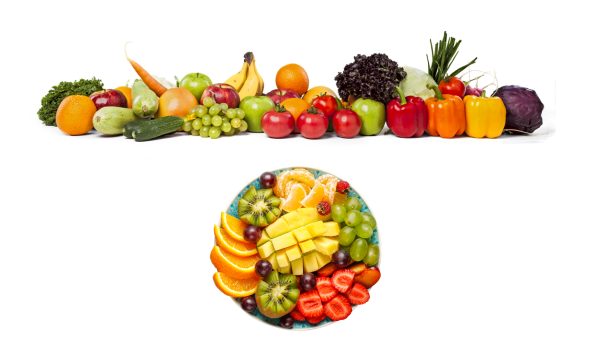
Spinach, broccoli, carrots, bell peppers, and kale offer antioxidants and fiber that support digestion and overall health.
Pre-Workout Meals For Maximum Performance
Ideal pre-workout combinations include:
-
Banana with peanut butter
-
Oatmeal with berries
-
Whole wheat toast with eggs
-
Greek yogurt with honey and nuts
These combinations provide energy without causing digestive discomfort.
Post-Workout Meals For Recovery
After exercise, a meal containing protein and carbohydrates helps refuel and repair the body. Examples include:
-
Grilled chicken with brown rice and vegetables
-
Salmon with quinoa
-
Protein smoothie with fruit and oats
-
Eggs with sweet potatoes
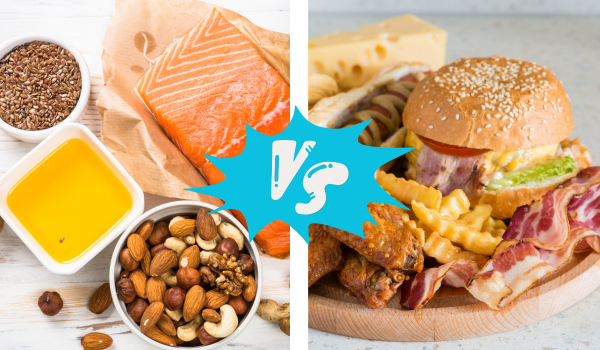
Foods And Habits To Limit For Better Training Results
Certain foods can reduce energy, cause inflammation, or slow down recovery.
Sugary Snacks And Drinks
Candy, pastries, sodas, and energy drinks cause blood sugar spikes that lead to fatigue and hinder fat loss goals.
Greasy Or Deep-Fried Foods
These foods slow digestion and cause bloating, reducing workout performance.
Alcohol And Late-Night Eating
Alcohol disrupts sleep, weakens muscle recovery, and dehydrates the body. Eating late at night can impair digestion and lead to weight gain.
Highly Processed Fast Food
Burgers, fries, processed meats, and frozen meals contain excessive sodium and unhealthy fats that negatively impact metabolism.
Practical Nutrition Strategies For Gym-Goers
Consistent habits lead to better physical performance, stronger muscles, and improved energy throughout the day.
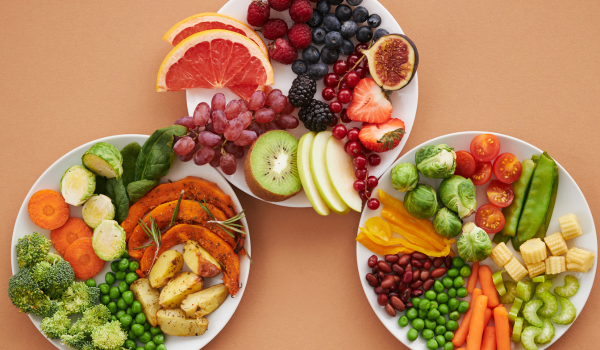
Follow A Balanced Plate At Every Meal
A gym-friendly plate includes:
-
½ vegetables and fruits
-
¼ lean protein
-
¼ whole grains or complex carbs
-
A small amount of healthy fats
This ensures vitamin diversity and steady energy.
Time Meals Around Workouts
Eating 1–2 hours before exercising boosts performance. A post-workout meal within 1 hour accelerates recovery and muscle repair.
Stay Hydrated Throughout The Day
Drink water regularly, not only during workouts. Hydration supports performance and prevents cramps and dizziness.
Use Protein Shakes When Needed
Protein powders can help meet daily protein targets, especially for busy individuals. They should supplement—not replace—whole foods.
Prepare Meals Ahead Of Time
Meal prepping ensures healthier choices, reduces fast-food dependence, and helps maintain calorie balance.
Track Progress And Adjust Intake
People with muscle-building goals may need more calories and protein, while those aiming for fat loss may require balanced calorie control with high protein intake.
Conclusion
Nutrition plays a powerful role in gym progress, influencing energy levels, muscle recovery, strength, and overall performance. By prioritizing protein, complex carbohydrates, healthy fats, hydration, and nutrient-rich foods, gym-goers can maximize workout results and support long-term fitness goals. Start applying these strategies today and explore more nutrition tips to elevate your training routine.

.png)




.png)
.png)
.png)
.png)

.png)
.png)
.png)
.png)
.png)
.png)
.png)
.png)
.png)
.png)



.png)
.png)
.png)
.png)
.png)
.png)