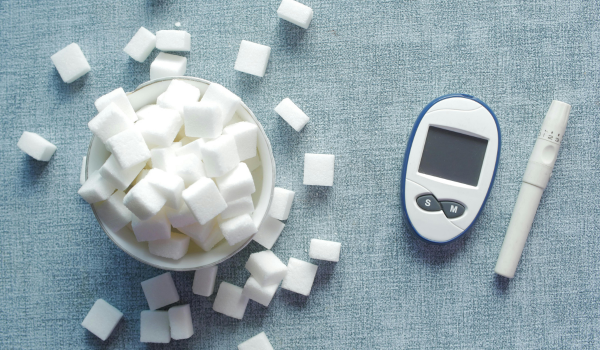
New research suggests that many popular artificial sweeteners may be linked to quicker declines in memory and thinking skills. Although these low- or no-calorie substitutes are often chosen to manage weight or reduce sugar intake, scientists are increasingly concerned about their long-term effects on brain health.
A recent study published in Neurology found that adults consuming the highest amounts of six sugar substitutes experienced noticeably faster cognitive decline than those who consumed very little. The findings represent the equivalent of more than a year of accelerated brain aging.
Tracking How Diet Influences Brain Function
Researchers evaluated more than 12,000 Brazilian adults who completed detailed diet questionnaires. Their intake of seven sugar substitutes was measured, including aspartame, saccharin, erythritol, sorbitol, xylitol, acesulfame K, and tagatose.
Participants were grouped into low, moderate, and high levels of intake, ranging from about 20 milligrams per day to nearly 200 milligrams. Over eight years, they completed repeated tests measuring memory, verbal fluency, recall, and processing speed.
Higher Intake Linked To Faster Thinking Decline
Compared with low-intake participants, people who consumed moderate or high amounts of artificial sweeteners consistently performed worse on cognitive tests. Moderate intake led to significantly faster declines in memory and verbal fluency. High intake accelerated declines even further.
Notably, these effects appeared only among adults younger than 60, suggesting subtle harm may occur long before symptoms become obvious.
Were Certain Sweeteners More Harmful?
Researchers found similar associations across most sweeteners, except tagatose, which showed no link to cognitive decline. Because diet quality was accounted for, the findings strongly hint that the sweeteners themselves—not lifestyle—may be driving worsening brain performance over time.
Why Sweeteners May Affect Brain Health
Though this study doesn’t prove direct causation, scientists believe altered gut microbiome activity may be involved. Sugar substitutes can change the balance of bacteria, fueling inflammation. These changes may influence microglia—the brain’s immune cells—pushing them toward a damaging, inflammatory state.
Previous research has linked artificially sweetened beverages to stroke, dementia, and poorer memory performance, adding weight to the concern.
Greater Risks For People With Diabetes
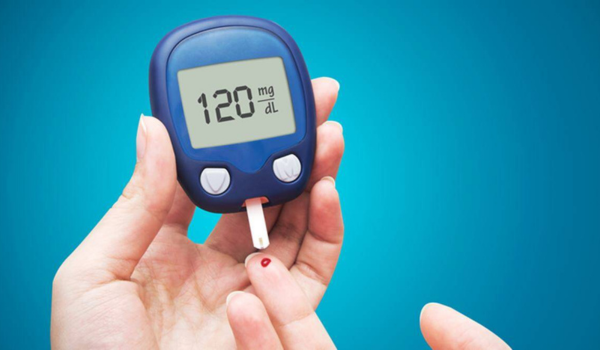
People under 60 showed more pronounced cognitive aging, but the steepest declines occurred in participants with diabetes. These individuals often consume more artificial sweeteners, and diabetes already stresses metabolism and gut ecosystems. Combined, this may accelerate brain aging.
Should You Avoid Artificial Sweeteners?
Experts urge people to limit artificial sweeteners—not necessarily replace them with sugar. High intake of added sugar is already tied to dementia risk and numerous chronic diseases.
Instead, the healthiest long-term approach is:
-
Choosing less sweet foods overall
-
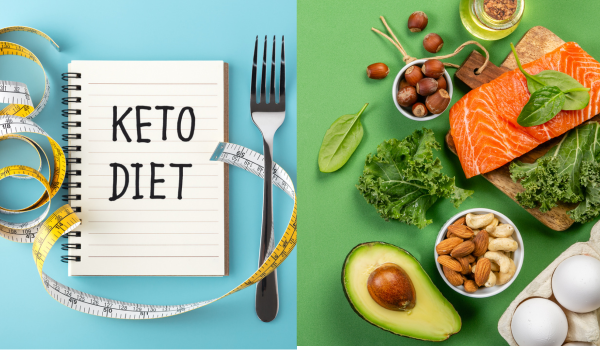
Eating more fiber- and plant-rich meals
-
Cutting back on processed products
-
Choosing less-refined sweeteners (like stevia or tagatose) when needed



.png)















.png)
.png)
.png)
.png)


.png)
.png)
.png)
.png)
.png)
.png)
.png)
.png)
.png)
.png)




.png)
.png)
.png)
.png)