
.png)
Family gatherings and potlucks are made for connection—laughter, stories, celebrations, and comfort foods shared across long tables. But they can also be challenging for anyone trying to eat well. Homemade casseroles, rich desserts, fried favorites, and endless refills may make healthy eating feel impossible. However, enjoying gatherings without abandoning your nutrition goals is not only realistic—it can actually be simple. With a balanced mindset and a few practical strategies, you can savor delicious food, stay in control of portions, and still leave feeling satisfied, energized, and guilt-free. Healthy choices do not require sacrificing joy; they simply require awareness and intention.
Why Potlucks And Gatherings Can Disrupt Healthy Habits
Celebrations combine emotion, environment, and tradition—all of which influence food choices.
Abundance Encourages Overeating
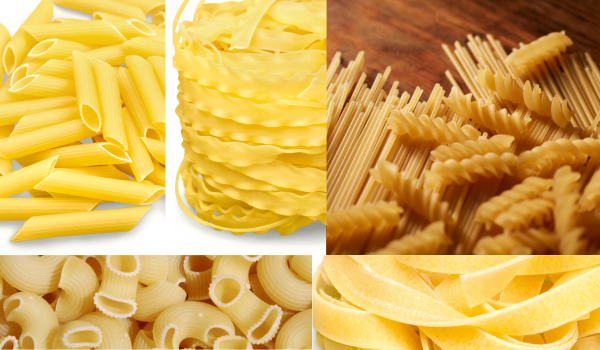
Tables filled with many dishes—especially high-calorie favorites like creamy pastas, loaded casseroles, or baked desserts—make it tempting to try everything. Large portions become normal when serving spoons are oversized and plates are full.
Social Pressure Shapes Decisions
Friends and family may encourage “just one more plate” or insist you try certain dishes. Declining can feel awkward, especially when someone spent hours cooking.
Eating Becomes Secondary To Conversation
People often snack or refill plates while talking without noticing hunger cues. When attention is elsewhere, it’s easy to eat more than needed.
Comfort And Nostalgia Trigger Cravings
Family recipes carry emotional meaning. Foods linked to childhood, tradition, or celebration can lead to second or third servings, regardless of appetite.
Understanding these challenges helps you approach gatherings with clarity rather than overwhelm.
Start With A Mindset That Supports Balance
Your attitude before the event shapes your experience.
Focus On Enjoyment, Not Restriction
Potlucks are about people, not perfection. Allow room for favorite foods without guilt. When you approach the meal with freedom, you’re less likely to overeat later.
Decide What “Success” Looks Like
Maybe it’s eating enough vegetables, avoiding multiple desserts, or sticking to one plate. Setting a gentle goal makes choices intentional rather than reactive.
Avoid Arriving Starving
Skipping meals in anticipation backfires. Extreme hunger leads to overeating, rushed decisions, and little mindfulness. Eat a balanced snack beforehand—protein, fiber, or fruit—to steady your appetite.
Healthy choices begin before the first bite.
Build Your Plate Wisely With What’s Available
You don’t need to control the menu—just your selections.
Scan Before Serving
Walk the table quickly before filling your plate. You can prioritize what looks best instead of committing to the first few dishes in sight.
Lead With Vegetables And Protein
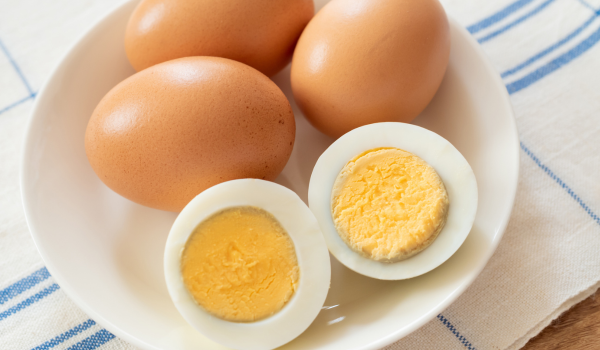
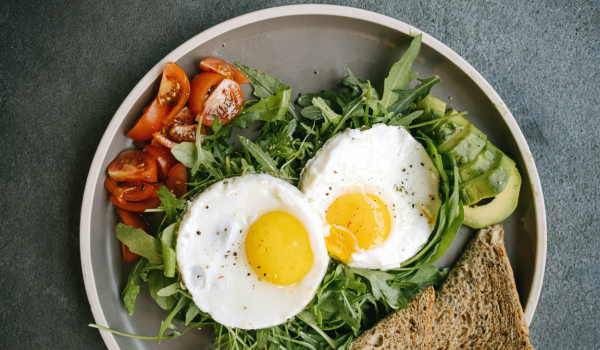
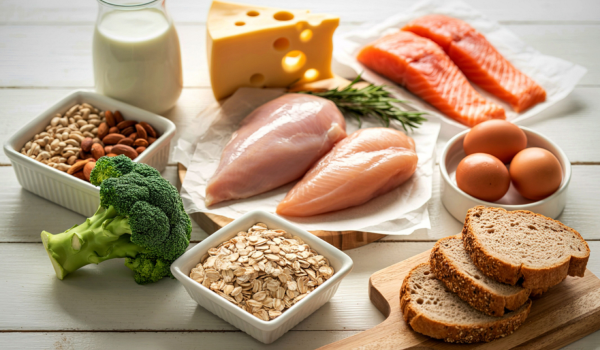
A serving of vegetables or salad clears space for nutrients and fiber. Adding lean protein—grilled chicken, beans, eggs, or fish—supports fullness and stabilizes appetite.
Add Favorites In Reasonable Portions
Macaroni and cheese, ribs, mashed potatoes, or desserts can still fit—but keep portions smaller. You get satisfaction without the heavy aftermath.
Avoid Filling Up On “Extras”
Bread baskets, crackers, chips, and sauces add calories without fullness. If you love them, include them intentionally; if not, skip them with ease.
Choosing food based on preference—not pressure—makes for a satisfying meal.
Eat Slowly And Pay Attention To Hunger Cues
Mindful eating is powerful even in social settings.
Use Smaller Portions First
Start with modest servings. If you’re still hungry after eating slowly, returning for seconds is far more intentional than piling on a large first plate.
Put Down Your Fork Occasionally
Pause between bites, talk, sip water, or laugh. Giving your brain time to register fullness reduces overeating.
Check In With Your Body Halfway Through
Ask yourself whether you still feel hungry or are eating just because the food is there. This simple pause prevents mindless snacking.
Stop When Satisfied—Not Stuffed
Fullness is comfortable, not tightness or discomfort. Ending the meal earlier allows you to feel energized rather than bloated.
Mindfulness helps you enjoy food more—and eat less without feeling deprived.
Bring A Healthy Dish You Truly Enjoy
A potluck is one of the easiest places to take control.
Choose A Dish That Aligns With Your Goals
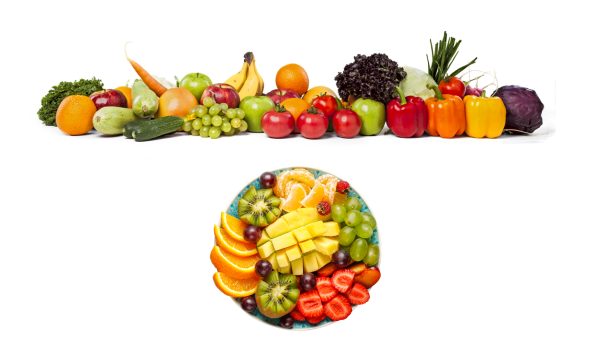
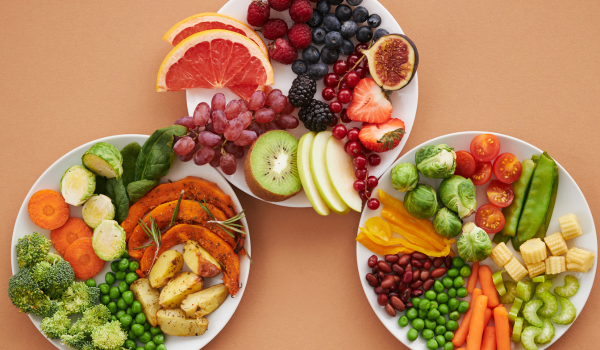
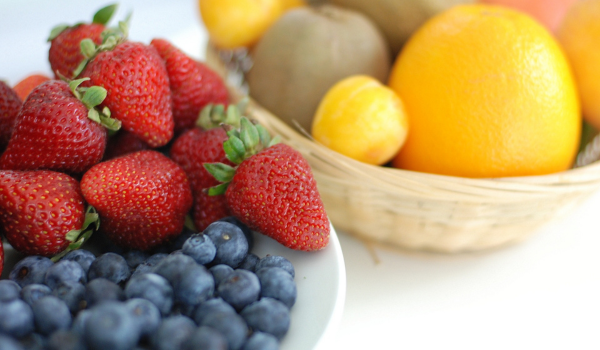
A colorful salad, roasted vegetables, lean protein option, or fruit platter ensures at least one nutritious choice is available.
Make Food You’re Excited To Share
Choose something flavorful, culturally meaningful, or visually appealing. If healthy food tastes great, others will enjoy it too—and you’ll feel satisfied.
Think Of It As Contributing, Not “Fixing” The Table
Bringing a lighter dish doesn’t mean you avoid other foods—it simply expands options.
Your contribution becomes a win for both you and everyone attending.
Navigate Drinks, Desserts, And Second Servings With Intention
Extras are part of the fun—not the enemy—when handled thoughtfully.
Limit Liquid Calories When Possible
Sodas, punches, sweetened teas, and alcoholic drinks add up quickly. Consider alternating with sparkling water, unsweetened tea, or water with fruit.
Choose Dessert Mindfully
Pick the treat you want most instead of sampling multiple sweets. Split a slice or share with someone to enjoy flavor without overload.
Pause Before Seconds
Wait 10 minutes after finishing your plate. Chat, drink water, or stand up. If you’re still genuinely hungry, go back—preferably for vegetables or protein first.
Balancing indulgence with intention keeps celebrations enjoyable and comfortable.
Focus On Connection, Not Just Food
Potlucks and gatherings offer opportunities beyond eating.
Start Conversations Away From The Food Table
Standing near the buffet encourages grazing. Sit, mingle, or step outside—the distance reduces mindless eating.
Participate In Non-Food Activities
Games, music, dancing, photo-taking, or outdoor walks shift the focus and burn energy while connecting with others.
Remember The Purpose Of The Event
Whether celebrating a birthday, holiday, or reunion, food is simply one part of the experience—not the centerpiece.
When you anchor gatherings in relationships, food choices naturally feel easier.
Give Yourself Grace And Enjoy The Experience
Healthy habits include flexibility and self-compassion.
A Single Meal Won’t Determine Your Health
One indulgent potluck doesn’t undo months of effort. Likewise, one careful plate doesn’t transform a lifestyle. Progress is built on patterns, not isolated choices.
Avoid Guilt-Based Thinking
Feeling bad about what you ate only leads to stress and disconnection. You’re allowed to enjoy family recipes, cultural favorites, and celebration meals.
Get Back To Routine At The Next Meal
If you feel heavy or tired afterward, choose nourishing foods next time you eat—fruit, vegetables, lean protein, water, or a light breakfast. No “compensation” dieting required.
The healthiest lifestyle is one you can maintain through holidays, traditions, and seasons of joy.
Conclusion
Family gatherings and potlucks don’t have to derail your healthy habits. With mindful strategies—scanning the table first, choosing balanced portions, slowing down, bringing a dish you love, and focusing on connection—you can enjoy food fully while staying in control. Healthy eating is not about restriction or perfection; it’s about balance, awareness, and long-term patterns. Use these events as opportunities to practice flexibility, savor flavors, and strengthen your confidence in making choices that feel good both in the moment and afterward.
Start applying one or two strategies at your next gathering and notice how much easier—and more enjoyable—healthy eating can be.

.png)

.png)
.png)
.png)
.png)
.png)
.png)
.png)
.png)
.png)
.png)
.png)
.png)
.png)
.png)

.png)
.png)
.png)
.png)

