.png)
Fast food is often seen as the opposite of healthy eating, yet for many people, it is an unavoidable part of daily life. Busy schedules, long commutes, and limited food options make fast food a convenient solution. The good news is that eating at fast food restaurants does not automatically mean abandoning healthy habits. With awareness, smart choices, and a balanced mindset, it is possible to enjoy fast food while still supporting overall health and well-being.
Why Fast Food Feels Unhealthy But Doesn’t Have To Be
Fast food has a reputation for being high in calories, sodium, and unhealthy fats.
Portion Sizes Are Often Larger Than Needed
Many fast food meals exceed typical portion recommendations.
Hidden Ingredients Add Up Quickly
Sugars, sauces, and refined oils can increase calorie intake.
Speed Encourages Mindless Eating
Eating quickly can reduce awareness of fullness.
Marketing Influences Food Choices
Promotions often highlight indulgent items over balanced options.
Understanding What A Balanced Fast Food Meal Looks Like
A balanced meal is possible even at fast food restaurants.
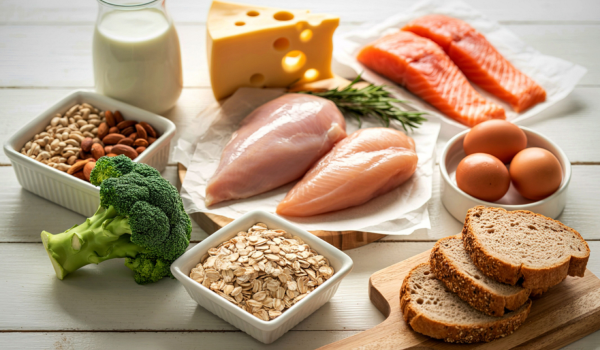
Include A Source Of Protein
Protein helps control hunger and supports energy levels.
Add Fiber-Rich Foods When Available
Vegetables and whole grains improve digestion and fullness.
Balance Carbohydrates And Fats
Moderation supports sustained energy.
Watch Portion Sizes
Eating smaller portions helps maintain balance.
Smart Ordering Strategies That Make A Difference
Making intentional choices can significantly improve meal quality.
Choose Grilled Instead Of Fried Options
Grilling reduces added fats.
Request Sauces And Dressings On The Side
This helps control calorie intake.
Opt For Water Or Unsweetened Drinks
Beverages can significantly impact total calories.
Avoid Super-Sized Portions
Standard sizes are often sufficient.
How To Read Fast Food Menus More Mindfully
Understanding menu language helps guide better decisions.
Look For Keywords That Signal Healthier Choices
Terms like grilled, baked, or roasted often indicate lighter options.
Be Cautious With Words Like Crispy Or Creamy
These often indicate higher fat or sugar content.
Check Nutrition Information When Available
Awareness supports informed choices.
Focus On Overall Balance, Not Perfection
One meal does not define overall health.
Making Healthier Choices At Popular Fast Food Restaurants
Fast food menus usually offer better options than expected.
Choose Protein-Based Meals With Vegetables
Lean proteins and vegetables improve nutritional balance.
Swap Fries For Healthier Sides
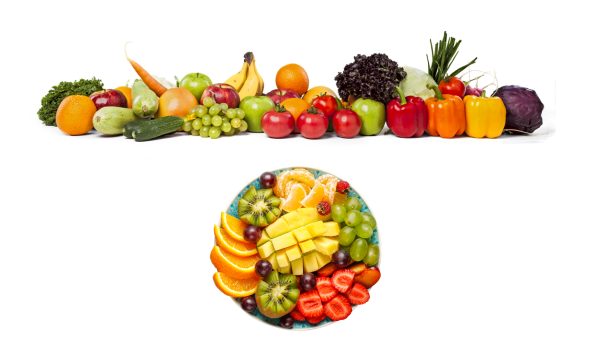
Salads, fruit, or yogurt are often available.
Customize When Possible
Small adjustments can improve nutritional quality.
Limit High-Calorie Sauces And Extras
These can quickly increase calorie intake.
Managing Portions Without Feeling Restricted
Portion control helps maintain balance.
Eat Until Comfortably Full
Stop eating when satisfied, not stuffed.
Save Half For Later
Many portions are large enough for two meals.
Avoid Eating Directly From Large Containers
Plating food helps manage portions.
Listen To Internal Cues
Your body signals when it has had enough.
Staying Balanced When Eating Fast Food Frequently
Consistency matters more than perfection.
Balance Fast Food With Healthier Meals Elsewhere
One meal does not define your diet.
Focus On Overall Eating Patterns
Daily habits matter more than single choices.
Avoid Guilt Or Shame
Guilt can lead to unhealthy cycles.
Practice Flexibility
Adapt choices based on availability.
Choosing Healthier Breakfast Options On The Go
Breakfast fast food can be balanced with smart choices.
Choose Protein-Rich Options
Eggs and yogurt support fullness.
Limit Sugary Pastries And Drinks
These cause energy crashes.
Add Fiber When Possible
Whole grains and fruits support digestion.
Keep Portions Reasonable
Smaller meals still provide energy.
Making Smart Beverage Choices
Drinks often add hidden calories.
Choose Water Whenever Possible
Hydration supports digestion and energy.
Limit Sugary Beverages
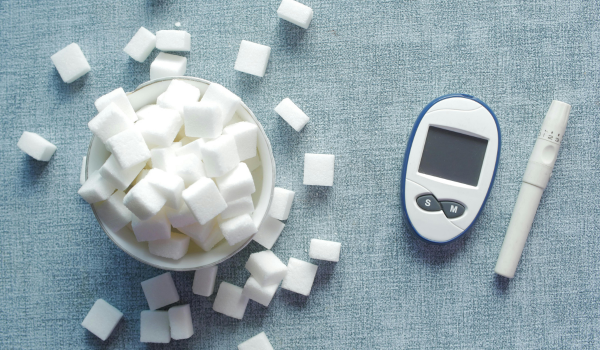
Sugary drinks add calories without nutrients.
Be Mindful Of Specialty Drinks
These can contain significant sugar and fat.
Use Portion Awareness
Smaller drinks help manage intake.
Eating Fast Food Without Feeling Guilty
A healthy mindset supports long-term habits.
Avoid Labeling Foods As Good Or Bad
Balance is more sustainable than restriction.
Enjoy Your Meal Mindfully
Savoring food increases satisfaction.
Recognize That One Meal Does Not Define Health
Long-term patterns matter most.
Practice Self-Compassion
Healthy eating should reduce stress, not add to it.
Building Confidence In Your Food Choices
Confidence improves consistency.
Trust Your Ability To Choose Well
You can make balanced decisions anywhere.
Learn From Experience
Each choice provides insight for next time.
Focus On Progress Over Perfection
Growth happens gradually.
Stay Flexible And Open-Minded
Adaptability supports long-term success.
Making Fast Food Work Within A Healthy Lifestyle
Fast food can fit into a balanced lifestyle.
Plan Ahead When Possible
Preparation supports better decisions.
Balance Meals Throughout The Day
Adjust other meals to maintain balance.
Enjoy Food Without Stress
Relaxed eating supports digestion.
Focus On Overall Well-Being
Health is more than one meal.
Conclusion
Eating at fast food restaurants does not mean giving up on healthy habits. With awareness, flexibility, and thoughtful choices, it is entirely possible to enjoy fast food while maintaining balanced nutrition. By focusing on portion control, ingredient quality, and mindful eating, fast food can fit into a healthy lifestyle without guilt or restriction. Healthy eating is not about perfection, but about making informed choices that support long-term well-being.

.png)












.png)
.png)
.png)
.png)

.png)
.png)
.png)
.png)
.png)
.png)
.png)
.png)
.png)
.png)



.png)
.png)
.png)
.png)