
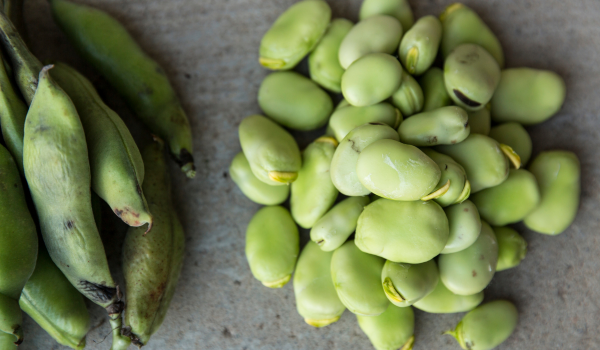
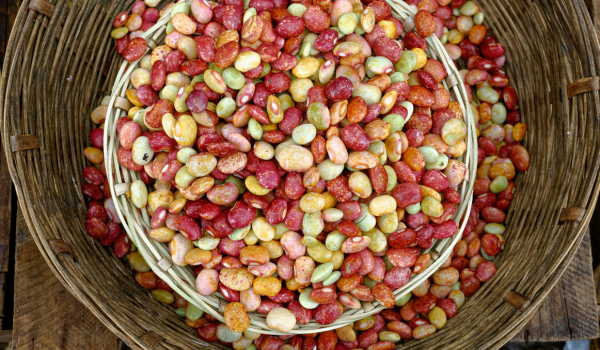
Lima beans (Phaseolus lunatus L.) are nutrient-dense legumes known for their high fiber, protein, and mineral content. Regular consumption of lima beans has been linked to improved digestion, better heart health, weight management, and blood sugar control.
1. Supports Gut Health
Lima beans are an excellent source of dietary fiber, providing 13.2 grams per cup, which equals 47% of the Daily Value (DV).
Fiber And Digestive Regularity
Dietary fiber supports gastrointestinal health by preventing constipation and promoting regular bowel movements.
Gut Microbiome Balance
Fiber from lima beans is fermented by beneficial gut bacteria, producing short-chain fatty acids (SCFAs). These compounds help reduce inflammation, strengthen the intestinal lining, and nourish colon cells.
Disease Prevention Benefits
A fiber-rich diet is associated with a lower risk of colon cancer, diverticular disease, heart disease, obesity, breast cancer, and type 2 diabetes.
2. Aids Weight Management
Lima beans are rich in both fiber and protein, which promote fullness and reduce overeating.
High Satiety Nutrient Profile
One cup of lima beans contains 13.2 g of fiber and 14.7 g of protein, nutrients that slow digestion and stimulate satiety hormones such as CCK and GLP-1.
Body Fat And Waist Reduction
Studies show that people who regularly consume legumes tend to have smaller waist circumferences and lower body fat levels.
Long-Term Weight Control
Large population studies have found that individuals who eat legumes consistently gain significantly less weight over time compared to those who rarely consume them.
3. Protects Heart Health
Lima beans contain several nutrients essential for cardiovascular health.
Cholesterol-Lowering Effects
Fiber reduces cholesterol absorption in the gut and increases its excretion, helping maintain healthy cholesterol levels.
Blood Pressure Support
Lima beans are rich in magnesium and potassium, minerals that help regulate blood pressure. One cup provides 19% of magnesium DV and 20% of potassium DV.
Reduced Heart Disease Risk
Research shows that higher bean intake is associated with up to a 10% lower risk of coronary heart disease, with optimal benefits seen at about 2 cups per week.
4. May Improve Blood Sugar Control
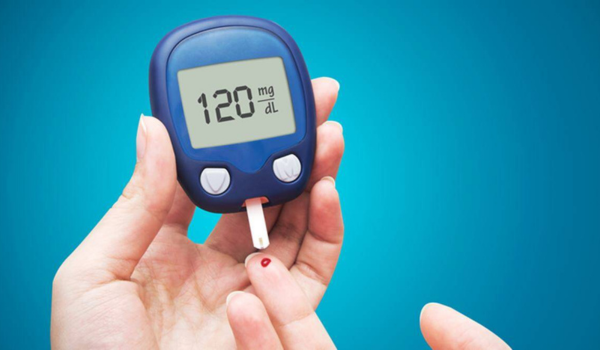
The combination of fiber, protein, and minerals makes lima beans ideal for blood sugar regulation.
Slower Glucose Absorption
Fiber and protein slow carbohydrate digestion, preventing sharp spikes in blood sugar after meals.
Magnesium And Insulin Function
Magnesium supports insulin secretion and glucose metabolism. Low magnesium intake is linked to poor glycemic control.
Diabetes Management Support
Studies show that bean-rich diets reduce fasting blood sugar, insulin levels, HbA1c, and improve insulin sensitivity in people with type 2 diabetes.
Nutrition Of Lima Beans (Cooked, 1 Cup)
-
Calories: 216
-
Carbohydrates: 39.3 g
-
Protein: 14.7 g
-
Fat: 0.7 g
-
Fiber: 13.2 g
Key Micronutrients
-
Copper: 47% DV
-
Manganese: 42% DV
-
Folate: 39% DV
-
Iron: 25% DV
-
Thiamine: 25% DV
-
Potassium: 20% DV
-
Magnesium: 19% DV
Lima beans are low in fat while being rich in essential vitamins and minerals that support immune function, bone health, energy production, and fetal development.
Potential Risks Of Lima Beans
Digestive Discomfort
Due to high fiber content, lima beans may cause bloating or gas in people not accustomed to fiber-rich diets.
Raw Bean Toxicity
Raw lima beans contain cyanogenic glycosides that can release toxic hydrogen cyanide. Always cook lima beans thoroughly before consumption.
Antinutrient Content
Lima beans contain lectins that may reduce mineral absorption. Soaking and cooking significantly reduce antinutrients.
Tips For Consuming Lima Beans
Cooking And Preparation
Always cook raw lima beans before eating. Canned or pre-cooked options are convenient and safe.
Easy Ways To Add Them To Meals
-
Add to soups and stews
-
Mix into salads and grain bowls
-
Mash as a creamy side dish
-
Toss into pasta or vegetable dishes
-
Use in traditional succotash with corn and tomatoes


.png)






.png)
.png)
.png)
.png)

.png)
.png)
.png)
.png)
.png)
.png)
.png)
.png)
.png)
.png)



.png)
.png)
.png)
.png)

