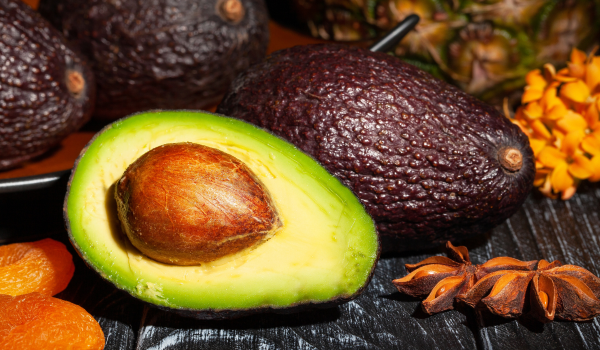
Avocados naturally change color after being cut, often turning brown within minutes. While this can look unappetizing, browning doesn’t always mean the fruit has gone bad. In many cases, it’s a normal chemical reaction—but sometimes, it can signal spoilage.
Here’s how to tell the difference and safely enjoy your avocado.
Why Avocados Turn Brown
Avocados turn brown mainly due to enzymatic browning, a process that happens when the fruit’s flesh is exposed to oxygen. When cut or bruised, enzymes react with oxygen and create dark pigments.
This process is completely normal and does not make the avocado unsafe to eat. However, browning can also result from spoilage, cold damage, or microbial growth.
When Brown Avocado Is Safe To Eat
Oxidation-Related Browning
If the avocado has turned slightly brown but still smells fresh and feels firm, it’s generally safe to eat. The flavor may be mildly bitter, but it poses no health risk. You can scrape off the brown layer if you prefer.
Slight Softening Without Odor
Soft texture alone does not mean spoilage. As long as the avocado isn’t slimy or sour-smelling, it’s typically safe for consumption.
When You Should Throw It Away
Signs Of Spoilage
Discard the avocado if you notice:
-
A sour or rancid smell
-
Slimy or overly mushy texture
-
Black or gray patches inside the flesh
-
Visible mold (even if it appears only on the skin)
Mold can spread beneath the surface, so it’s safest to throw the entire fruit away if mold is present.
Common Reasons Avocados Turn Brown
Enzymatic Browning
Occurs when the flesh is exposed to air. This is harmless but affects taste and appearance.
Overripening
As avocados ripen too much, cell walls break down, causing browning and creating an environment for bacteria and yeast.
Cold Damage
Storing avocados at low temperatures before ripening can cause darkened patches and a slightly rancid flavor.
Microbial Spoilage
Bacteria and fungi can cause decay, especially when avocados are stored improperly or damaged.
How To Handle Brown Avocados Safely
Check Texture And Smell
If it smells neutral and feels firm, it’s usually safe. If it smells sour or feels slimy, discard it.
Use In Blended Dishes
Slightly browned avocado works well in guacamole, spreads, smoothies, or dips.
Store Properly
If partially used, coat the exposed flesh with lemon or lime juice, place in an airtight container, and refrigerate. You can also freeze mashed avocado for later use.
How To Prevent Avocados From Browning
Choose The Right Ripeness
Select firm avocados if you plan to use them later. Softer ones are best for immediate use.
Store Smartly
Refrigerate ripe avocados to slow the browning process. Leave unripe ones at room temperature until ready.
Wash Before Cutting
Rinsing the skin helps prevent bacteria from entering the flesh during slicing.
Use Citrus Juice
Lemon or lime juice slows oxidation by reducing enzyme activity.
Freeze When Needed
Mash avocado with citrus juice and freeze in airtight containers for later use.
Tips For Keeping Guacamole Fresh
Guacamole is especially prone to browning. To keep it fresh:
-
Press plastic wrap directly against the surface
-
Add a thin layer of olive oil to block oxygen
-
Refrigerate immediately after preparing
-
Use airtight containers whenever possible
If guacamole smells sour, feels slimy, or releases excess liquid, discard it.
A Quick Review
Brown avocados are often safe to eat if the discoloration is caused by oxidation. However, spoilage-related browning comes with unpleasant smells, slimy textures, or mold and should not be consumed. Proper storage, handling, and preparation can help preserve freshness and reduce waste.


.png)


.png)
.png)
.png)
.png)
.png)
.png)
.png)
.png)
.png)
.png)
.png)
.png)
.png)
.png)


.png)
.png)
.png)
.png)