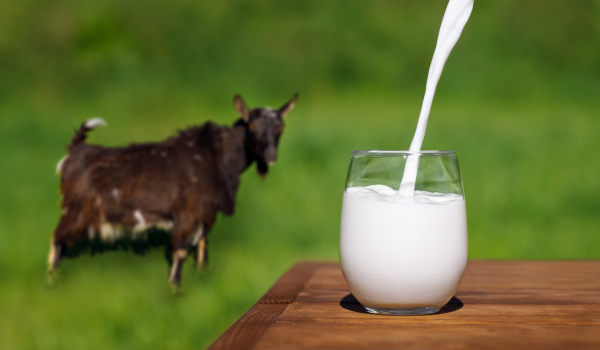
Goat milk is often considered easier to digest than cow’s milk and may offer benefits for gut health, heart health, and bone strength. It provides high-quality protein, essential vitamins, minerals, and fats that are more easily absorbed by the body.
Supports Gut Health and Digestion
Easier to digest than cow’s milk
Many people who experience digestive discomfort with cow’s milk may tolerate goat milk better. Goat milk contains a higher proportion of short- and medium-chain fatty acids, which are broken down and absorbed more quickly than long-chain fats.
Smaller fat globules improve absorption
The fat globules in goat milk are naturally smaller than those in cow’s milk. This physical structure allows digestive enzymes to work more efficiently, reducing bloating and discomfort.
May help with malabsorption conditions
Because of its digestibility, goat milk may be beneficial for people with malabsorptive conditions such as cystic fibrosis, gallbladder disorders, intestinal resection, or fat malabsorption.
Supports a healthy gut microbiome
Goat milk contains oligosaccharides that act as prebiotics, feeding beneficial gut bacteria. It may also supply probiotics that help support a balanced gut microbiome.
May Support Heart Health
Helps manage cholesterol and blood pressure
Research suggests that goat milk may support healthier cholesterol levels and blood pressure compared to cow’s milk. Certain proteins in goat milk can produce peptides that act similarly to ACE inhibitors, helping blood vessels relax and supporting healthy blood pressure.
Balanced fatty acid profile
Goat milk has a more favorable omega-6 to omega-3 fatty acid ratio, which is associated with lower cardiovascular risk.
Antioxidant properties
Antioxidants found in goat milk may help reduce oxidative stress and protect heart cells from damage.
Promotes Bone Health
Rich in bone-building nutrients
Goat milk supplies calcium, vitamin D, and phosphorus—three nutrients essential for maintaining bone density and strength.
Supports bone density and structure
One cup of goat milk provides a significant portion of daily calcium needs, helping reduce the risk of fractures and osteoporosis. Phosphorus contributes to the structural integrity of bones and teeth, while vitamin D enhances calcium absorption.
Provides Valuable Nutrients
Nutrient-dense profile
Goat milk offers a balanced mix of protein, fats, vitamins, and minerals. An 8-ounce serving typically provides:
-
Calories: ~168
-
Protein: ~9 grams
-
Fat: ~10 grams
-
Calcium: ~25% Daily Value
-
Phosphorus: ~22% Daily Value
-
Vitamin A: ~15% Daily Value
-
Vitamin D (fortified): ~15% Daily Value
Higher vitamin A content
Goat milk naturally contains more vitamin A than cow’s milk, which supports eye health, immune function, and skin integrity.
How Goat Milk Compares to Other Milks
Compared to cow’s milk
Goat milk has similar protein and lactose levels to cow’s milk, with slight differences in fat composition and mineral content. These differences generally do not cause major health changes for most people but may improve digestibility for some.
Compared to plant-based milks
Goat milk contains significantly more protein than most plant-based milks such as almond or oat milk. Soy and pea milk are closer alternatives in protein content but do not naturally contain the same range of minerals.
Risks and Considerations
Raw milk safety concerns
Raw goat milk may contain harmful bacteria. Health authorities recommend choosing pasteurized goat milk to reduce the risk of foodborne illness.
Allergy considerations
People with a cow’s milk allergy should be cautious. Many individuals allergic to cow’s milk protein also react to goat milk protein, despite slight differences in casein structure.
Not suitable for lactose intolerance
Goat milk contains lactose and is not appropriate for people with lactose intolerance.
Tips for Adding Goat Milk to Your Diet
Simple ways to use goat milk
-
Add it to smoothies or coffee
-
Drink it plain or lightly warmed
-
Enjoy goat milk yogurt with fruit and granola
-
Use it to make sauces, mashed potatoes, curries, or pasta dishes
-
Prepare traditional recipes like cajeta (goat milk caramel)

.png)



.png)
.png)
.png)
.png)
.png)
.png)
.png)
.png)
.png)
.png)
.png)
.png)
.png)
.png)


.png)
.png)
.png)
.png)