

New research comparing time-restricted eating—often called intermittent fasting or IF—with calorie counting suggests that both strategies can lead to similar weight loss results among adults with obesity. Intermittent fasting has gained widespread attention in recent years, with many people believing it to be more effective or easier than tracking daily calories. However, emerging evidence suggests the real difference may be smaller than expected.
This recently published study in Annals of Internal Medicine offers one of the first direct comparisons between the two strategies on their own, without combining them. Because intermittent fasting is often perceived as simpler and less restrictive, researchers aimed to see if it would also be more effective than traditional calorie counting.
How Researchers Compared The Two Weight Loss Strategies
Study design and participants
Researchers from the University of Illinois Chicago followed 90 adults with obesity, representing a diverse population, with more than one-third identifying as Black and nearly half identifying as Hispanic. Participants were randomly assigned to one of three groups: an eight-hour eating window from noon to 8 PM, a 25% calorie restriction plan, or no dietary change.
Weight loss outcomes over 12 months
After one year, both the intermittent fasting group and the calorie-counting group lost similar amounts of weight—an average of about 5% of their body weight. The participants in both groups also reduced daily calorie intake by roughly the same amount, around 400 calories per day.
Differences in blood sugar regulation
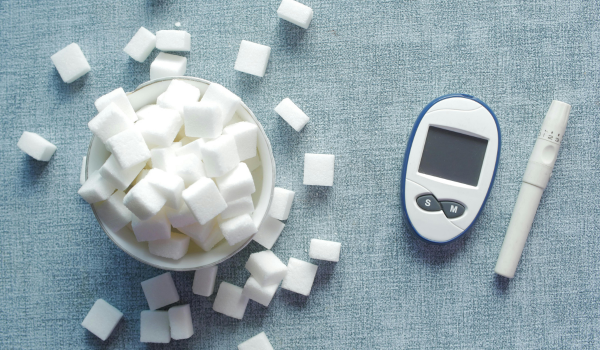
Beyond weight loss, researchers noted improved insulin sensitivity in participants practicing intermittent fasting. This suggests a potential metabolic benefit for adults who already struggle with blood sugar management, although more research is needed to confirm this advantage.
Why Intermittent Fasting And Calorie Counting May Work Similarly
Both approaches naturally reduce calorie intake
Intermittent fasting limits hours of eating, which often leads to consuming fewer calories. It may also prevent late-night eating and naturally reduce appetite. Meanwhile, calorie counting directly encourages eating less by monitoring daily intake.
Diet quality still matters
Experts caution that the type of foods consumed impacts results. Choosing nutrient-dense foods, lean proteins, vegetables, and high-fiber carbohydrates may support both appetite control and overall health, regardless of strategy.
Not all calories function the same way
High-fiber carbohydrates, lean proteins, and healthy fats support fullness more effectively than sugary or ultra-processed foods, making long-term adherence easier.
Choosing A Weight Loss Plan That Works For You
Consider your preferences and lifestyle
If tracking calories feels tedious or overwhelming, intermittent fasting might be more realistic. However, if long fasting periods don’t fit your schedule or trigger overeating later in the day, calorie counting may be a better match.
Flexibility is key
Both methods can be sustainable when paired with good nutrition habits. A balanced diet including fruits, vegetables, whole grains, proteins, and healthy fats should remain the foundation of any plan.
Exercise enhances results
Movement supports health far beyond weight control and contributes to improved blood sugar, heart function, mood, and strength.
Lingering Questions About Intermittent Fasting
More research is needed
Scientists want to know whether time-restricted eating is safe and effective for a wider range of populations—including individuals with type 2 diabetes, metabolic disorders, or cancer.
Exploring combined approaches
Future studies may examine intermittent fasting alongside medication-based therapies, which are increasingly common in medical weight management.
Long-term results remain unclear
Some research suggests calorie counting may outperform intermittent fasting over longer periods, especially if fasting leads to overeating during eating windows.
What’s certain: weight loss strategies aren’t universal. The most successful plan is the one a person can maintain consistently while supporting their long-term health.


.png)



















.png)
.png)
.png)
.png)


.png)
.png)
.png)
.png)
.png)
.png)
.png)
.png)
.png)
.png)




.png)
.png)
.png)
.png)

