
Treats are one of life’s pleasures. Whether it is a slice of birthday cake, a weekend scoop of ice cream, or a favorite salty snack, enjoyable foods add color, culture, and joy to how we eat. Yet many people worry that indulging in treats will derail their health goals, lead to overeating, or trigger guilt. The truth is that treats can be part of a balanced lifestyle when the approach is intentional and supportive rather than restrictive or chaotic. Enjoying treats without overdoing it is a skill built from awareness, flexibility, and self-trust.
Why Restricting Treats Often Backfires
Restriction usually leads to stronger cravings—not better control.
Deprivation Increases Desire For The Restricted Food
When something is “off limits,” the brain sees it as more valuable.
Forbidden Foods Become More Enticing
Treats take on emotional power when they are overly controlled.
Restriction Often Leads To Rebound Eating
Many people end up overeating the very foods they try to avoid.
Guilt Replaces Joy
Instead of savoring a treat, people may feel shame after eating it.
Allowing treats helps normalize them and reduces their emotional pull.
The Role Of Mindset In Treat Enjoyment
A supportive mindset makes all the difference.
Treats Can Be Part Of A Healthy Diet
Pleasure is a legitimate component of well-being.
One Treat Does Not Cancel Out Healthy Habits
Health is defined by patterns over time—not single choices.
Eating For Enjoyment Is Valid
Food is cultural, social, and emotional—not only nutritional.
Self-Compassion Encourages Balance
Kindness toward yourself fosters long-term change.
When treats are seen neutrally, eating becomes calmer and more balanced.
Listening To Hunger And Satisfaction Signals
Body awareness helps prevent accidental overindulgence.
Eat Treats When You Truly Want Them
Mindful intention reduces impulsive or emotional eating.
Notice Hunger Before Eating A Treat
It is easier to overeat when you are already starving.
Pause Halfway Through To Check In
Ask whether the next bite adds pleasure or comes from habit.
Stop When Satisfaction Peaks
Many people find they need less than they expect.
Satisfaction—not fullness—is the goal when enjoying treats.
Removing “All Or Nothing” Thinking
Perfection is not required—and often works against you.
You Do Not Need To Earn Or Burn Off Treats
Food is not a reward or punishment system.
Moderation Looks Different Every Day
Some days you may want more; other days, less.
No Food Choice Defines Your Health
A treat can fit into a balanced lifestyle.
Balance Comes From Pattern, Not Perfection
A single indulgent meal does not erase nutritious routines.
Flexibility supports confidence and prevents binge-restrict cycles.
Pairing Treats With Nourishing Foods When Possible
You can enjoy treats while supporting satiety and steady energy.
Add Protein To Reduce Overeating
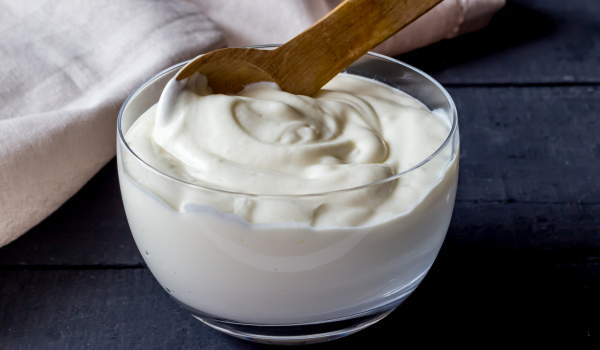
Pair cookies with yogurt or nuts to stay satisfied.
Combine Treats With Fiber-Rich Foods
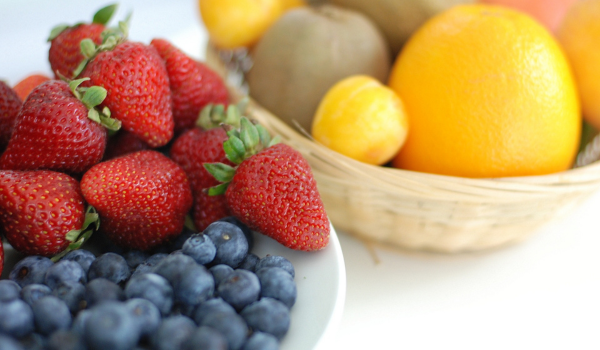
Fruits or whole grains slow digestion and reduce spikes.
Choose Healthy Fats Alongside Sweet Foods
Fat helps stabilize blood sugar after sugary treats.
Balance The Treat Within A Larger Eating Pattern
Enjoy dessert after a meal rather than on an empty stomach.
Small adjustments allow treats to fit more comfortably into daily habits.
Making Treats Part Of Life Instead Of The Enemy
Treats lose power when they are normalized.
Include Treats Regularly—Not Rarely
Regular enjoyment prevents large cravings.
Notice How You Feel After Eating Different Foods
Your body provides useful feedback over time.
Reframe Treats As Part Of Social Connection
Sharing dessert with others enhances satisfaction.
Let Treats Support Pleasure, Not Control It
Food becomes more enjoyable when it is not tied to stress.
Enjoyment is a key ingredient in a balanced diet.
Understanding Portion Satisfaction Instead Of Portion Control
Supportive eating is based on satisfaction—not rigid measurement.
Start With A Small Portion And Check In
Sometimes a taste is enough; other times, you may want more.
Give Yourself Permission To Have Another Bite If Needed
Permission paradoxically reduces overeating.
Let Satisfaction Guide The Amount
Tune in to flavor, texture, and pleasure—not external numbers.
Avoid Eating Straight From Large Containers
Plating food increases awareness and enjoyment.
Internal cues are more sustainable than counting or restricting.
Planning For Treats Without Overthinking Them
Treats can fit smoothly into your week with a little intention.
Stay Nourished Throughout The Day
Consistent eating prevents craving-driven overeating.
Keep Treats You Love Available In Reasonable Portions
Remove the “last chance to eat this” mindset.
Choose Treats You Truly Enjoy
Skip foods that do not deliver real satisfaction.
Avoid Eating Treats As A Substitute For Meals
Pleasure foods complement nourishment—not replace it.
Planning removes unpredictability and reactive cravings.
Managing Emotional Eating With Awareness And Care
Emotions and food often interact.
Recognize When Feelings Influence Appetite
Awareness reduces automatic behaviors.
Build Non-Food Ways To Process Emotion
Walking, journaling, or resting provide other outlets.
Allow Treats Without Shame When Emotions Are Involved
Food comfort is normal—and sometimes appropriate.
Seek Support When Overwhelm Persists
A therapist or dietitian can help address deeper patterns.
Emotional eating is not a failure—it is a signal.
Learning From Each Eating Experience
Each treat offers insight rather than judgment.
Notice Which Portions Feel Best
Too little and too much both reduce satisfaction.
Reflect Without Criticizing Yourself
Curiosity leads to better outcomes than harshness.
Observe Patterns Across Days And Weeks
Knowledge grows with practice.
Adjust Gently Over Time
Sustainable habits evolve—not appear instantly.
Food experiences build wisdom along the journey.
Why Treats Belong In A Lifelong Wellness Plan
Over a lifetime, balance matters far more than rigid rules.
Treats Bring Joy And Connection
Health includes emotional well-being.
A Restriction-Free Lifestyle Is Sustainable
Flexibility allows habits to last decades, not weeks.
Pleasure Supports Long-Term Adherence
If eating is enjoyable, people stick with it.
Food Freedom Reduces Stress And Obsession
A calm mind makes healthier choices more natural.
A healthy lifestyle includes cupcakes, chocolate, pizza, and celebration—just as much as vegetables and grains.
Conclusion
Enjoying treats without overdoing it is not about measuring spoonfuls or resisting cravings through force. It is about giving yourself permission to enjoy food, tuning into your hunger and satisfaction cues, embracing flexibility, and building trust with your body over time. When treats become part of a balanced lifestyle rather than something to fear, eating becomes joyful, sustainable, and nourishing—physically and emotionally.

.png)
.png)
.png)
.png)
.png)
.png)
.png)
.png)
.png)
.png)
.png)
.png)
.png)
.png)
.png)

.png)
.png)
.png)
.png)