.png)
Social meals are an important part of life. They bring people together, strengthen relationships, and create meaningful experiences around food. However, social settings can also make it easier to overeat, often without realizing it. Between distractions, social pressure, and abundant food choices, it can be challenging to maintain balance. The good news is that enjoying social meals does not mean giving up healthy habits. With mindful awareness and simple strategies, it is possible to fully enjoy shared meals while supporting long-term well-being.
Why Social Eating Often Leads To Overeating
Social environments naturally influence eating behavior.
Distractions Reduce Awareness
Conversation and social engagement can pull attention away from hunger cues.
Social Norms Encourage Eating More
People often eat to match others or avoid standing out.
Food Availability Increases Intake
Large portions and shared dishes can lead to mindless eating.
Emotional Connections Influence Choices
Food is often linked to celebration, comfort, or tradition.
Understanding Hunger Versus Social Appetite
Recognizing the difference between physical and social hunger is key.
Physical Hunger Develops Gradually
It builds over time and signals a need for nourishment.
Social Hunger Is Triggered By Environment
Seeing or smelling food can prompt eating without hunger.
Emotional States Can Influence Appetite
Excitement or stress may affect intake.
Awareness Helps Guide Better Choices
Recognizing cues supports mindful decisions.
How To Prepare Before A Social Meal
Preparation supports balance without restriction.
Avoid Arriving Extremely Hungry
Eating a small, balanced snack beforehand can help.
Set Gentle Intentions
Decide to enjoy food without overindulgence.
Stay Hydrated Before Arriving
Hydration supports appetite regulation.
Release Perfection Expectations
Flexibility reduces pressure.
Making Balanced Choices During Social Meals
Balance can be maintained even in social settings.
Survey Food Options Before Serving
Taking a moment helps guide choices.
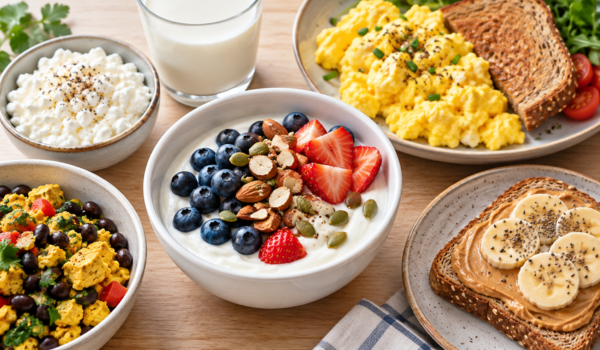
Build A Balanced Plate When Possible
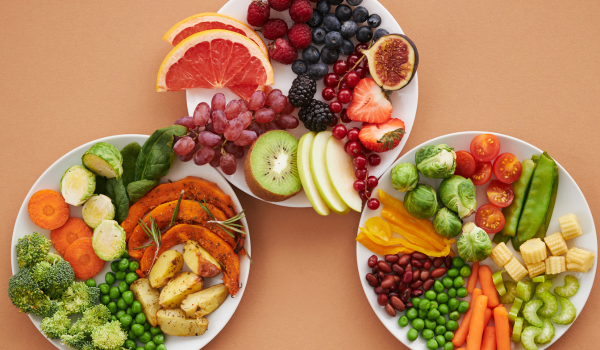
Including protein, fiber, and fats supports satisfaction.
Start With Smaller Portions
You can always have more if needed.
Eat Foods You Truly Enjoy
Enjoyment prevents mindless eating.
How To Eat Mindfully While Socializing
Mindfulness enhances enjoyment and control.
Slow Down Between Bites
Pausing helps recognize fullness.
Engage In Conversation Between Bites
This naturally slows eating pace.
Notice Flavors And Textures
Awareness enhances satisfaction.
Check In With Hunger Cues
Pause occasionally to assess fullness.
Handling Social Pressure Around Food
Social expectations can influence eating behavior.
Politely Decline When Satisfied
You do not need to justify your choices.
Accept That Others May Encourage Eating
Intentions are usually kind, not harmful.
Trust Your Body’s Signals
Your needs matter more than expectations.
Set Gentle Boundaries When Needed
Respecting yourself supports confidence.
Enjoying Treats Without Overdoing It
Enjoyment and balance can coexist.
Choose Foods You Truly Enjoy
Intentional choices increase satisfaction.
Savor Each Bite
Mindful enjoyment reduces the desire for excess.
Avoid Labeling Foods As Good Or Bad
Neutral thinking prevents guilt.
Stop When Satisfaction Is Reached
Fullness is not required for enjoyment.
The Role Of Alcohol In Social Eating
Alcohol can influence appetite and awareness.
Alcohol May Increase Appetite
It can lower inhibition around food choices.
Pacing Helps Maintain Balance
Sipping slowly supports moderation.
Alternating With Water Helps Control Intake
Hydration supports balance.
Listening To Your Body Matters
Pay attention to comfort levels.
How To Stay Balanced After A Social Meal
One meal does not define overall habits.
Avoid Compensating Or Restricting
Balance naturally returns with regular eating.
Resume Normal Eating Patterns
Consistency supports stability.
Reflect Without Judgment
Learning replaces guilt.
Focus On Overall Patterns
Long-term habits matter most.
Building Confidence Around Social Eating
Confidence supports healthy relationships with food.
Trust Your Ability To Self-Regulate
Your body knows what it needs.
Release Perfectionism
Balance allows flexibility.
Practice Self-Compassion
Kindness improves consistency.
Celebrate Enjoyment Without Guilt
Positive experiences matter.
Creating A Sustainable Social Eating Mindset
Healthy social eating is a long-term practice.
View Meals As Experiences, Not Tests
Enjoy connection as much as food.
Focus On Connection Over Consumption
Relationships matter more than portions.
Allow Flexibility In Different Settings
Adaptability supports balance.
Value Long-Term Well-Being
Short moments do not define health.
Conclusion
Enjoying social meals does not require strict control or restriction. With awareness, flexibility, and self-trust, it is possible to enjoy food, connection, and celebration without overeating. By focusing on balance rather than perfection, social meals can become a source of joy rather than stress. Healthy eating is not about avoiding experiences—it is about fully enjoying them while caring for your body in a sustainable way.


.png)












.png)
.png)
.png)
.png)


.png)
.png)
.png)
.png)
.png)
.png)
.png)
.png)
.png)
.png)

.png)
.png)
.png)
.png)