
.png)
Many people thrive when life feels predictable, but the reality for most adults is that routines rarely stay the same for long. Busy work schedules, family responsibilities, travel demands, unexpected events, and shifting priorities make it difficult to eat consistently. When routines change, healthy habits often disappear first—meals become irregular, convenience food replaces balanced meals, and energy levels fluctuate. Yet with the right strategies, it is possible to nourish your body even when life feels chaotic.
Why Changing Routines Disrupt Eating Patterns
When daily schedules shift, food habits often shift with them.
Irregular Timing Makes Meals Hard To Plan
Without fixed breaks or meal windows, eating becomes inconsistent.
Decision Fatigue Increases Reliance On Convenience Foods
Busy minds default to the quickest, easiest option—often ultra-processed foods.
Hunger Cues Become Harder To Notice
Rushing through the day disconnects people from their bodies.
Stress And Pressure Influence Food Choices
When priorities pile up, nourishment can feel secondary.
The Importance Of Flexible Eating Habits
Rigid rules collapse when life becomes unpredictable.
Flexibility Allows Adaptation
When plans change, flexible habits keep meals balanced.
Small Choices Add Up Over Time
Patterns matter more than individual meals.
Food Should Work With Your Lifestyle
Healthy eating can shape itself to your needs, not the other way around.
Flexible Habits Reduce Guilt And Overwhelm
Adaptable systems ease stress instead of creating it.
Building A “Portable” Meal Framework For Any Schedule
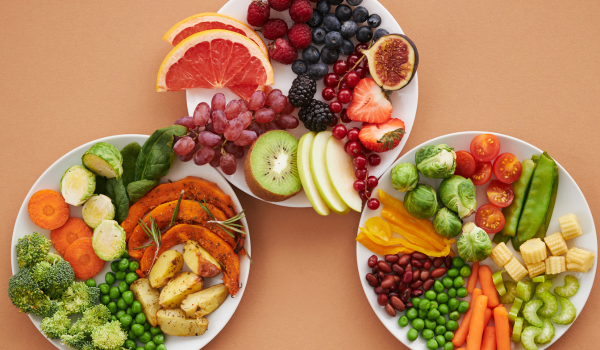
Instead of relying on recipes or routines, create a framework you can plug into any day.
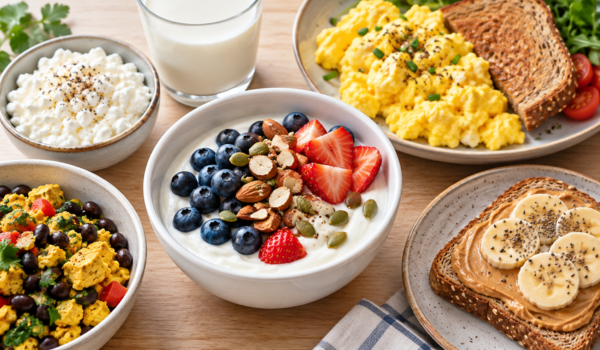
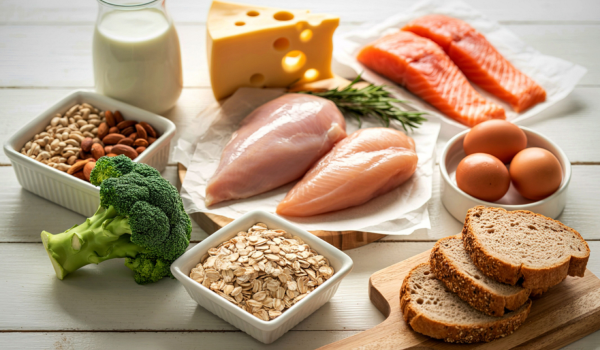
Start With Protein
Protein stabilizes energy even when meals are simple.
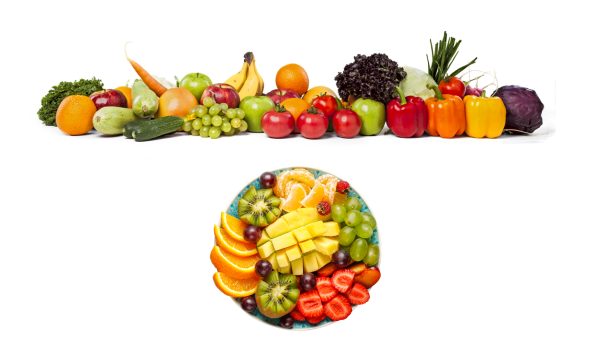
Add a Fruit Or Vegetable For Fiber
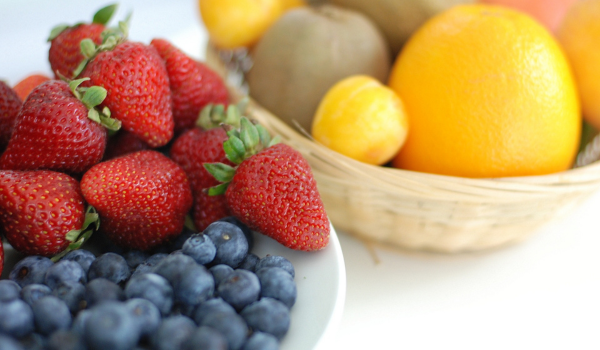
Produce supports digestion and fullness.
Include Healthy Fats For Satiety
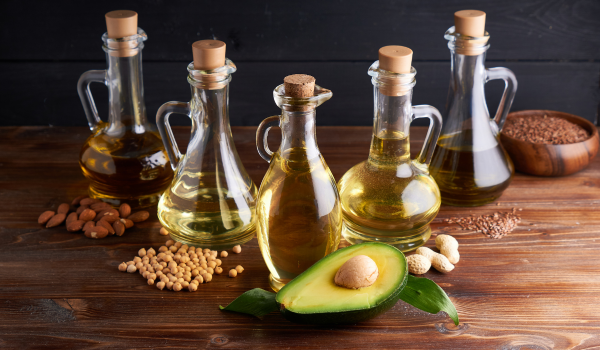
Nuts, seeds, avocado, or olive oil help meals sustain you.
Use Simple Carbs To Fuel Activity
Whole grains or starchy vegetables provide reliable energy.
This structure can be built in countless ways—from full meals to snack-sized plates.
Planning Ahead When You Cannot Predict Each Day
Preparation does not require perfect schedules—it requires smart systems.
Stock Easy, Versatile Staples
Frozen vegetables, canned beans, eggs, and oatmeal are reliable anchors.
Prep Ingredients, Not Full Meals
Cooking one grain, roasting vegetables, or marinating protein offers flexibility.
Keep Emergency Meals On Hand
Soup cans, frozen entrées, or microwavable bowls prevent skipped meals.
Use The “Two-Day Window” Strategy
Plan just two days at a time when long-term planning feels impossible.
Snacks As Reliable Mini-Meals
Snacks are powerful tools when routines are unpredictable.
Choose Snacks With Protein And Fiber
Pair nuts with fruit, yogurt with granola, or hummus with vegetables.
Use Snacks To Fill Meal Gaps
Replace skipped meals with multiple nourishing snacks.
Avoid Sugary Snacks That Cause Crashes
Balance keeps energy stable throughout the day.
Keep Grab-And-Go Options Visible
Accessibility increases follow-through.
Eating Well In Different Environments
Flexible nourishment depends on your surroundings.
At Home
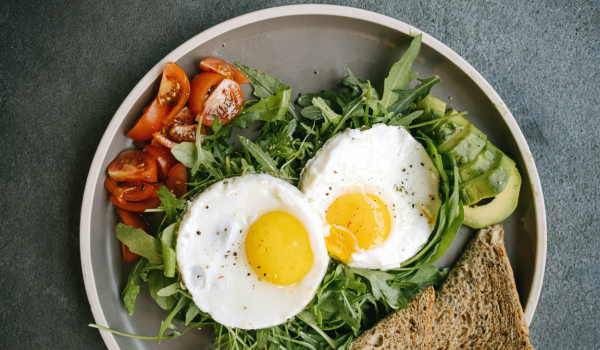
Keep quick-building blocks ready—eggs, vegetables, whole grains, canned tuna.
On The Road
Carry nuts, jerky, fruit, protein bars, or sandwiches.
At Work
Store instant oatmeal, nut butter, or shelf-stable soup at your desk.
At Social Events
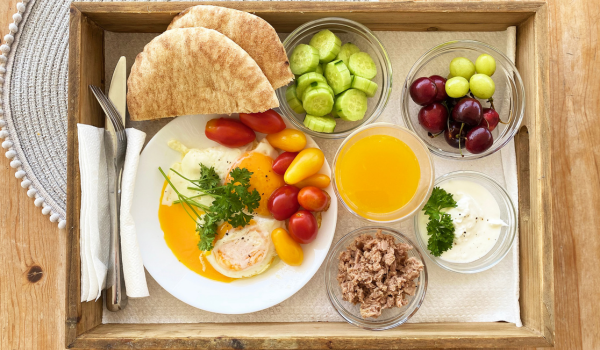
Build small balanced plates instead of skipping meals or overeating.
A shift in location does not need to disrupt your nutrition.
Using Restaurants Strategically When Plans Change
Dining out can support you instead of derailing your goals.
Scan For Protein First
Grilled meats, tofu, beans, or eggs anchor the meal.
Add Produce When Possible
Salads, vegetable sides, or fruit cups help round out meals.
Downsize Portions If Needed
Split meals, choose half portions, or bring leftovers home.
Skip “All Or Nothing” Thinking
One restaurant meal is part of a pattern—not a setback.
Listening To Hunger Signals Even When Busy
Changing schedules make tuning in more important.
Check In With Your Body Every Few Hours
Pause and notice hunger level before it turns urgent.
Honor Hunger Early
Responding to mild hunger prevents overeating later.
Recognize Emotional Or Stress Hunger
Awareness improves decision-making.
Notice Fullness Gently
Stop eating when comfortably satisfied instead of stuffed.
Hydration As A Stabilizing Force
Water fuels mental and physical stability.
Carry Water Wherever You Go
Hydration is easier when it is always available.
Drink Consistently Instead Of Catching Up
Small sips throughout the day help most.
Use Hydration As A Habit Anchor
Water breaks can remind you to eat intentionally.
Fluids Support Energy And Mood
Dehydration amplifies stress and fatigue.
Anchoring Nutrition With “Non-Negotiables”
Choose a few small habits that stay constant, even when everything else changes.
Eat Every Four To Five Hours If Possible
This prevents extreme hunger.
Include At Least One Fruit Or Vegetable Daily
Small wins build momentum.
Start One Meal With Protein
Protein supports blood sugar balance and appetite control.
Hydrate With Every Meal And Snack
Consistency keeps the body running smoothly.
These small habits can anchor you through unpredictable days.
Grace, Not Perfection, During Transitions
When life gets busy, self-judgment makes everything harder.
Perfection Is Not Sustainable
Healthy habits ebb and flow with circumstances.
Food Is One Part Of Well-Being
Sleep, stress management, and movement matter too.
Self-Compassion Supports Change
Treating yourself kindly creates space for growth.
Every Balanced Choice Counts
Even small meals provide value to your health.
Conclusion
Eating well when your routine keeps changing is not about discipline or perfect planning. It is about flexibility, adaptability, and compassion for yourself through every life phase. By building simple frameworks, choosing balanced foods, honoring hunger cues, and keeping nourishing options within reach, you can support your body—no matter how unpredictable the day becomes. Healthy eating becomes sustainable when it fits your life rather than fights against it.

.png)


.png)
.png)
.png)
.png)
.png)
.png)
.png)
.png)
.png)
.png)
.png)
.png)
.png)
.png)

.png)
.png)
.png)
.png)

