.png)
Living alone can bring freedom, independence, and flexibility—but it can also make healthy eating feel more challenging. Without shared meals or structured routines, it is easy to skip meals, rely on convenience foods, or lose motivation to cook. However, eating well while living alone does not require elaborate cooking or strict routines. With simple habits, thoughtful planning, and realistic expectations, you can nourish your body while enjoying the independence that comes with living solo.
Why Eating Well Can Feel Harder When Living Alone
Living alone changes how people relate to food.
Lack Of Structure Can Affect Meal Patterns
Without shared schedules, meals may become irregular.
Motivation Can Decrease Without Social Support
Cooking for one may feel less rewarding.
Convenience Foods Become More Tempting
Quick options often replace balanced meals.
Emotional Eating Can Increase
Loneliness or boredom may influence eating habits.
The Importance Of Consistent Nourishment
Consistent eating supports both physical and mental well-being.
Regular Meals Help Maintain Energy Levels
Skipping meals can lead to fatigue and low focus.
Balanced Nutrition Supports Emotional Health
Stable blood sugar supports mood regulation.
Consistency Improves Digestion
Regular eating helps the digestive system function smoothly.
Predictable Eating Patterns Reduce Stress
Routine brings structure to daily life.
Redefining What A “Meal” Looks Like When You Live Alone
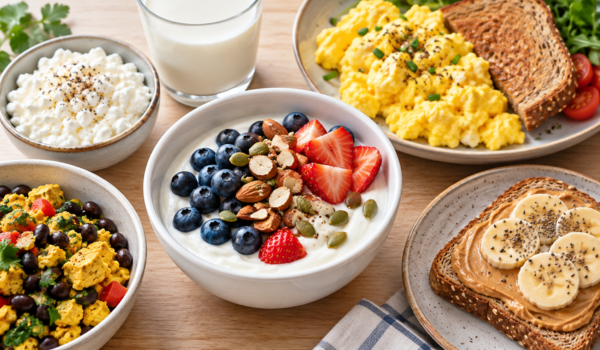
Meals do not need to be elaborate to be nourishing.
Simple Combinations Are Enough
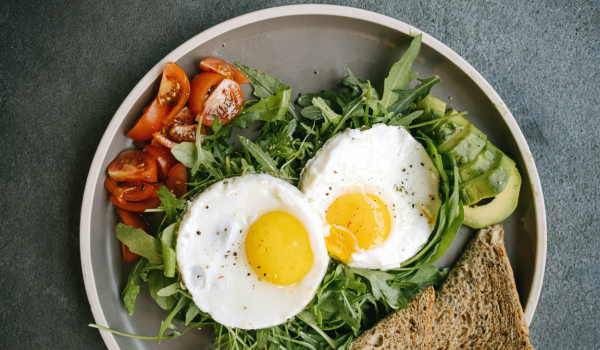
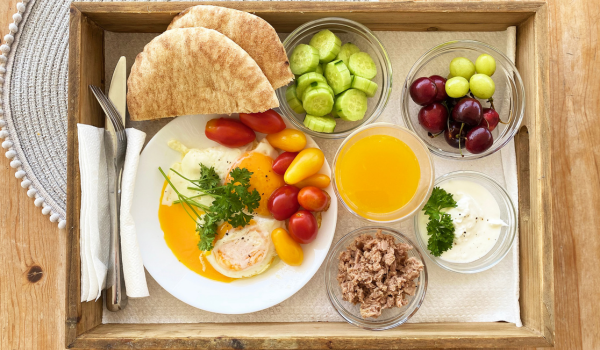
A few balanced foods can create a complete meal.
Not Every Meal Needs To Be Cooked
Ready-to-eat foods can still be nutritious.
Small Portions Can Still Be Balanced
You do not need large meals to meet your needs.
Flexibility Helps Maintain Consistency
Meals can adapt to your energy and schedule.
Building Balanced Meals With Minimal Effort
Balance does not require complexity.
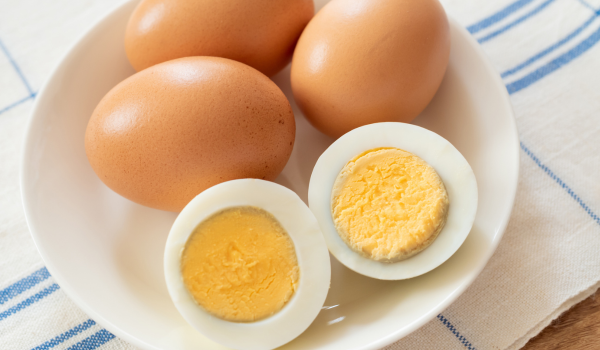
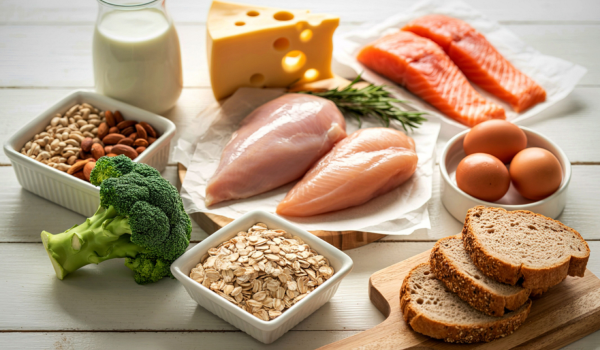
Include A Protein Source
Protein supports satiety and muscle health.
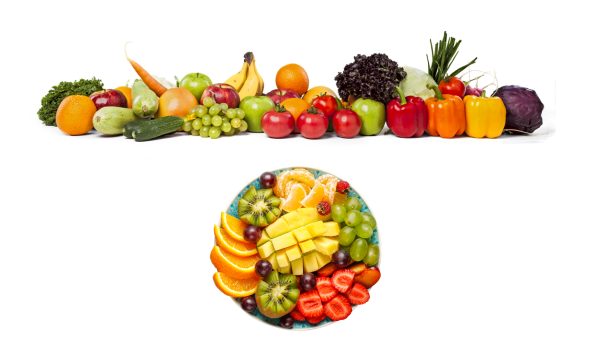
Add Fruits Or Vegetables
Produce supports digestion and nutrient intake.
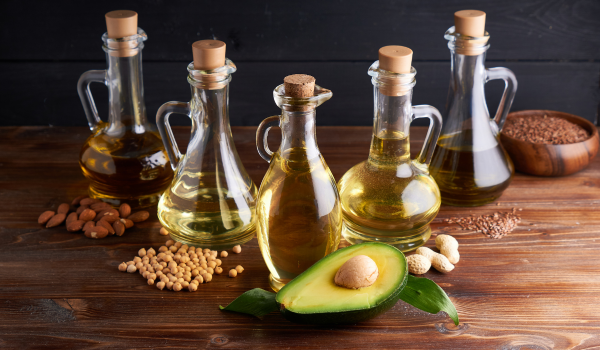
Include Healthy Fats
Fats help with satisfaction and nutrient absorption.
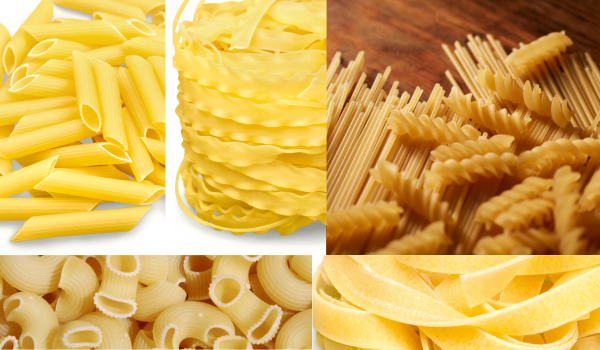
Choose Simple Carbohydrates For Energy
Whole grains or starchy vegetables provide fuel.
Making Grocery Shopping Easier When Cooking For One
Shopping wisely reduces stress and waste.
Buy Foods With Multiple Uses
Versatile items reduce planning effort.
Choose Smaller Portions When Available
Smaller sizes prevent food waste.
Use Frozen Or Shelf-Stable Options
These last longer and are easy to prepare.
Plan For A Few Flexible Meals
Avoid overplanning to reduce pressure.
Creating Simple Eating Routines That Work
Routine helps reduce daily decision-making.
Establish Regular Meal Times
Structure supports consistent energy.
Repeat Meals You Enjoy
Repetition saves time and mental effort.
Prep Lightly Instead Of Cooking Everything
Light preparation can support easy meals.
Build A Small Rotation Of Favorites
Variety without overwhelm encourages balance.
Eating Well Without Spending Too Much Time Cooking
Time efficiency is key when living alone.
Choose Foods With Minimal Preparation
Simple foods reduce time in the kitchen.
Use Kitchen Tools That Save Time
Basic tools can simplify preparation.
Keep Meals Straightforward
Simple combinations are often satisfying.
Accept That Not Every Meal Needs Effort
Balance allows for easy days.
Avoiding Emotional Eating When Living Alone
Eating alone can sometimes trigger emotional eating.
Recognize Emotional Hunger Cues
Distinguish between hunger and emotion.
Create Non-Food Comfort Habits
Activities can replace emotional eating.
Eat Mindfully Even When Alone
Mindfulness increases satisfaction.
Build Structure Into Your Day
Routine reduces emotional eating triggers.
Making Mealtime Enjoyable Even When Eating Alone
Enjoyment matters regardless of company.
Create A Pleasant Eating Environment
A calm space enhances the experience.
Avoid Eating While Distracted
Mindful eating improves satisfaction.
Take Time To Appreciate Your Food
Enjoyment improves overall well-being.
Treat Yourself With Care And Respect
Self-care includes nourishing meals.
How To Stay Motivated Without External Accountability
Motivation can come from within.
Set Simple, Personal Goals
Goals provide direction.
Track How You Feel After Eating Well
Positive feedback encourages consistency.
Celebrate Small Wins
Progress builds motivation.
Focus On Self-Care Rather Than Rules
Compassion sustains habits.
Building Long-Term Healthy Eating Habits While Living Alone
Sustainability comes from balance.
Start With Small, Achievable Changes
Gradual improvements last longer.
Allow Flexibility In Your Routine
Adaptability supports consistency.
Trust Yourself To Make Choices
Confidence grows with practice.
View Healthy Eating As Self-Respect
Nourishment supports overall well-being.
Conclusion
Eating well while living alone is not about perfection or elaborate meals. It is about creating simple, supportive habits that fit your lifestyle and support your health. With thoughtful planning, flexibility, and self-compassion, nourishing yourself can become a positive and enjoyable part of daily life. When you view eating well as an act of care rather than a chore, it becomes easier to maintain long-term wellness and independence.

.png)

.png)
.png)
.png)
.png)

.png)
.png)
.png)
.png)
.png)
.png)
.png)
.png)
.png)
.png)

.png)
.png)
.png)
.png)