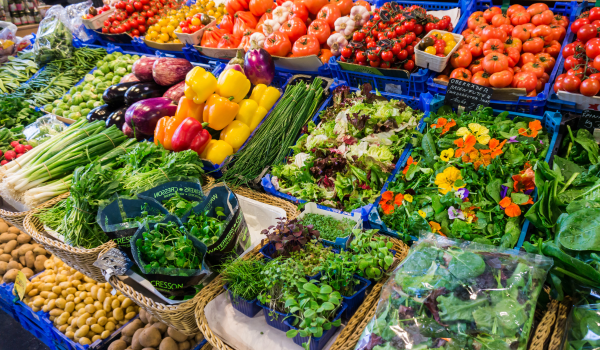
Eating healthy in the United States is often perceived as expensive, time-consuming, or unrealistic for busy households. Rising food prices, limited time, and widespread availability of processed foods make nutritious eating feel out of reach for many people. However, eating well does not require luxury ingredients, specialty stores, or restrictive diets. With smart planning, informed choices, and realistic habits, it is possible to maintain a nutritious diet while staying within budget. This guide explains how individuals and families in the U.S. can eat well without overspending.
Understanding The Real Cost Of Healthy Eating
The belief that healthy food is always expensive is not entirely accurate.
Why Processed Foods Often Seem Cheaper
Ultra-processed foods are heavily marketed, shelf-stable, and sold in bulk, creating the illusion of affordability. However, these foods often provide less nutrition per dollar and may contribute to higher long-term health costs.
Cost Per Nutrient Matters More Than Price Per Item
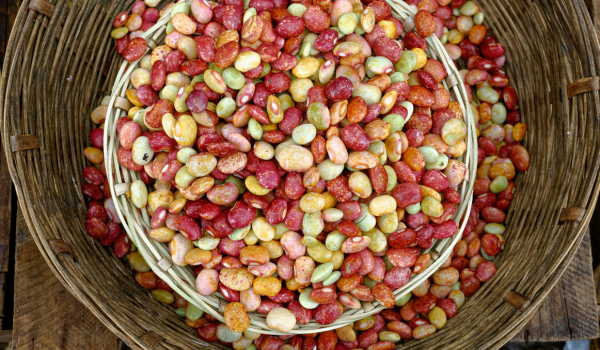
Foods such as beans, oats, eggs, frozen vegetables, and rice offer high nutritional value at a low cost per serving.
Eating Out Versus Cooking At Home
Frequent restaurant meals and takeout significantly increase food spending. Home-cooked meals, even simple ones, remain more cost-effective.
Planning Ahead To Reduce Food Costs
Planning is the foundation of budget-friendly nutrition.
Create A Weekly Meal Plan
A basic meal plan reduces impulse purchases and prevents food waste. Meals can repeat throughout the week to save time and money.
Build A Grocery List Based On Meals
Shopping with a list keeps spending focused and minimizes unnecessary purchases.
Check Pantry And Freezer Inventory First
Using what is already available prevents duplicate purchases and reduces waste.
Set A Weekly Food Budget
A clear spending limit encourages mindful decisions and prioritization of essential foods.
Choosing Affordable Nutrient-Dense Foods
Certain foods consistently provide strong nutrition at a low cost.
Budget-Friendly Protein Sources
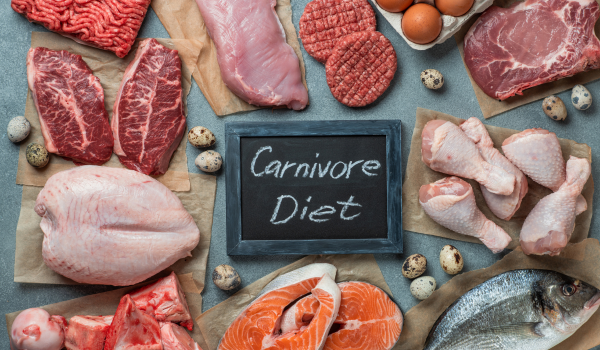
Eggs, canned tuna, canned salmon, beans, lentils, peanut butter, tofu, and chicken thighs offer high-quality protein without high prices.
Low-Cost Fruits And Vegetables
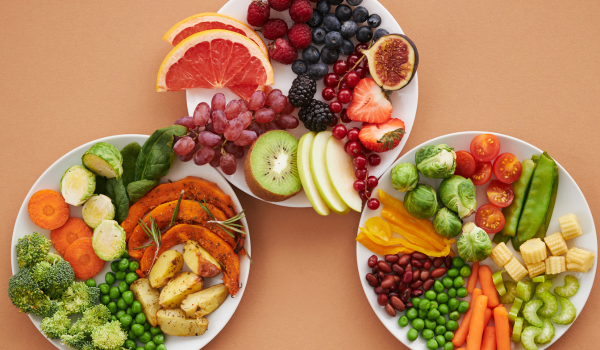
Frozen vegetables, bananas, apples, carrots, cabbage, potatoes, onions, and seasonal produce are affordable and nutrient-rich.
Whole Grains That Stretch Meals
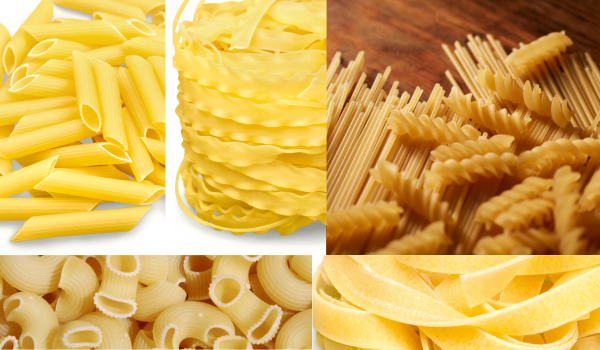
Oats, brown rice, whole wheat pasta, barley, and cornmeal provide fiber and energy at a low cost per serving.
Healthy Fats On A Budget
Vegetable oils, olive oil in moderation, sunflower seeds, peanuts, and store-brand nuts offer healthy fats affordably.
Using Frozen And Canned Foods Strategically
Shelf-stable foods help control costs without sacrificing nutrition.
Frozen Produce For Year-Round Value
Frozen fruits and vegetables are often cheaper than fresh and retain nutritional quality. They also reduce food waste.
Canned Beans And Vegetables For Convenience
Rinsed canned beans and vegetables provide fiber and protein at low cost. Choosing low-sodium options improves health benefits.
Canned Fish For Affordable Omega-3s
Canned tuna, sardines, and salmon offer heart-healthy fats at a fraction of the cost of fresh fish.
Smart Grocery Shopping Strategies In The U.S.
How and where you shop impacts food spending.
Shop Store Brands Instead Of Name Brands
Store brands typically offer the same nutrition at a lower price.
Compare Unit Prices Instead Of Package Prices
Unit pricing reveals the true cost per serving and helps identify better deals.
Buy Seasonal And Local Produce
Seasonal fruits and vegetables are usually cheaper and fresher.
Avoid Shopping While Hungry
Hunger increases impulse buying and unnecessary spending.
Limit Highly Processed Snacks And Drinks
Sodas, packaged snacks, and sugary beverages increase grocery bills without adding nutrition.
Cooking At Home Without Spending Extra Time Or Money
Simple cooking habits support budget-friendly eating.
Choose Simple Recipes With Few Ingredients
Meals do not need complexity. Simple combinations reduce cost and preparation time.
Cook Once And Eat Multiple Times
Batch cooking allows leftovers to serve as lunches or additional dinners.
Use Affordable Kitchen Staples
Beans, rice, eggs, vegetables, and basic seasonings can create many meals.
Reduce Food Waste
Using leftovers creatively and storing food properly saves money over time.
Affordable Healthy Meal Ideas
Nutritious meals can be simple and inexpensive.
Breakfast Ideas On A Budget
Oatmeal with fruit
Eggs with toast and vegetables
Yogurt with bananas
Lunch Ideas On A Budget
Bean and vegetable soup
Peanut butter and banana sandwiches
Rice bowls with beans and vegetables
Dinner Ideas On A Budget
Baked chicken thighs with potatoes
Stir-fried vegetables with rice and eggs
Pasta with beans and tomato sauce
Snack Ideas On A Budget
Popcorn
Fruit
Peanut butter with crackers
Hard-boiled eggs
Eating Well While Using Food Assistance Programs
Nutrition is possible even with limited resources.
Using SNAP Benefits Wisely
Planning meals and buying staple foods maximizes the value of benefits.
Choosing WIC-Approved Nutrient-Dense Foods
WIC-approved items support nutrition for families and children.
Community Food Resources
Food banks, community pantries, and farmers’ markets often provide healthy food options.
Avoiding Common Budget-Eating Mistakes
Awareness helps prevent unnecessary spending.
Buying Too Much Fresh Produce At Once
Overbuying leads to spoilage. Frozen or shelf-stable options reduce waste.
Relying On Convenience Meals
Pre-made meals are often more expensive than cooking from scratch.
Assuming Cheap Food Is Unhealthy
Many affordable foods are highly nutritious when chosen wisely.
Ignoring Portion Control
Oversized portions increase food consumption and grocery costs.
Building Sustainable Budget-Friendly Habits
Long-term success depends on consistency.
Focus On Progress, Not Perfection
Small improvements over time matter more than drastic changes.
Rotate Affordable Staples Weekly
Using the same core foods with different seasonings prevents boredom.
Learn Basic Cooking Skills Gradually
Confidence in cooking reduces reliance on expensive alternatives.
Balance Nutrition Across The Week
Not every meal needs to be perfect. Overall patterns matter most.
Conclusion
Eating well on a budget in the U.S. is achievable with thoughtful planning, informed grocery choices, and simple cooking habits. By focusing on affordable, nutrient-dense foods and reducing reliance on processed items and dining out, individuals and families can improve health while managing food costs effectively. Healthy eating does not require perfection or high spending—only consistency and smart decisions. Explore more nutrition guides and start building a budget-friendly, healthy eating routine today.


.png)















.png)
.png)
.png)
.png)

.png)
.png)
.png)
.png)
.png)
.png)
.png)
.png)
.png)
.png)




.png)
.png)
.png)
.png)