
.png)
Modern life makes eating a balancing act. For many people, cooking every meal at home simply is not realistic—work schedules run late, kids need rides, school demands pile up, and weekends fill quickly. Convenience foods such as frozen meals, canned soups, packaged salads, rotisserie chicken, and meal kits are helpful tools that fit today’s fast-paced routines. The challenge is that convenience products can vary widely in quality. Some are nutrient-rich and time-saving, while others are high in sodium, added sugar, and refined ingredients.
Instead of abandoning convenience foods altogether—or relying on them completely—you can build an eating style where quick options and home-cooked meals work together. With the right approach, convenience becomes a smart resource that supports health, saves money, and makes daily eating easier to manage.
Why A Balanced Approach To Convenience Matters
Real Life Requires Flexibility
Busy weeks demand adaptable food choices. Some nights call for slow-cooked meals, while others require the fastest option in the refrigerator. Allowing room for both prevents stress and makes healthy eating more sustainable rather than rigid.
Not All Convenience Foods Are Unhealthy
There is a wide range of prepared products available today. Many are made with whole ingredients, plenty of vegetables, and balanced macros. What matters most is how you use these foods and pair them with other elements of your meal.
Home Cooking Still Has Advantages
Cooking at home gives you full control over ingredients, flavor, and portions. Even simple meals can be more nutrient-dense and affordable. Blending convenience with home cooking offers the best of both worlds: flexibility and nourishment.
Choosing Convenience Foods That Support Your Health Goals
Read Labels To Understand What You’re Buying
Look at the ingredient list and nutrition facts to get a sense of quality. A shorter ingredient list usually means less processing. Choose items with more whole foods and fewer preservatives or additives.
Watch For Sodium And Added Sugar
Many frozen and canned products taste good because they rely on heavy seasoning. You can still enjoy these foods—just balance them with lower-sodium homemade sides, and avoid pairing too many salty or sugary items in one meal.
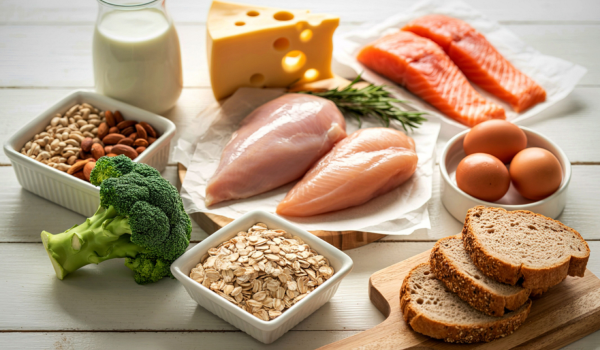
Prioritize Protein And Fiber
Convenience foods heavy in refined carbs may lead to hunger soon after eating. Choose options with lean protein, vegetables, whole grains, or legumes whenever possible.
Stock Versatile Staples
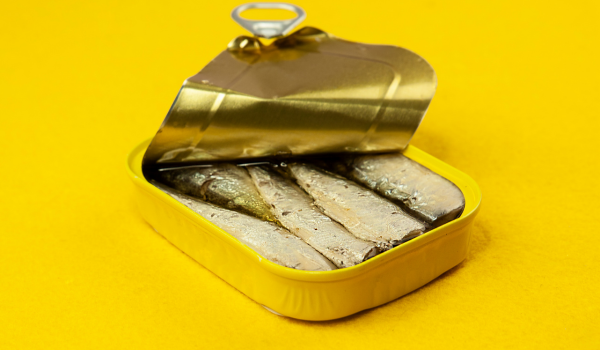
Canned tuna, frozen vegetables, jarred pasta sauce, whole-grain pasta, precooked rice, rotisserie chicken, and salad mixes can create dozens of balanced meals with little effort.
Using Home Cooking To Fill Nutrient Gaps
Cook Simple Whole Foods When You Can
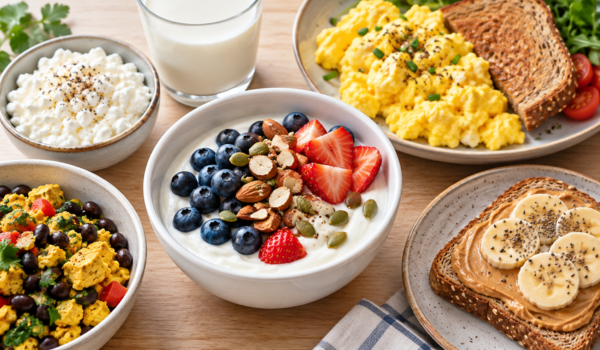
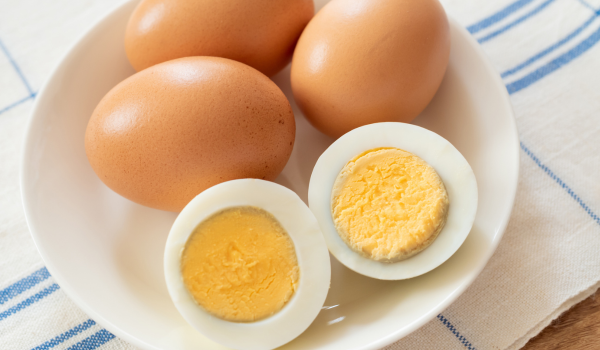
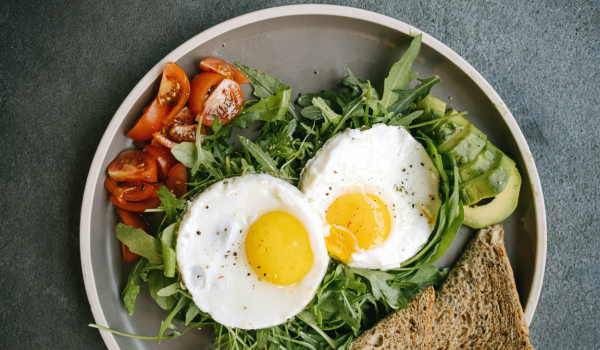
Homemade meals don’t need complex recipes. Eggs scrambled with spinach, roasted sheet-pan vegetables and chicken, or a pot of chili provide nourishment with minimal hands-on time.
Batch Cook To Reduce Weeknight Stress
Preparing large quantities of meals or components (such as grains or proteins) once or twice a week saves time and makes convenience foods unnecessary during busy moments.
Make Leftovers A Strategic Plan
Leftovers are homemade convenience. Cook extra food intentionally to turn into lunches, grain bowls, wraps, or soups the next day.
Reframe “Cooking” As Assembly
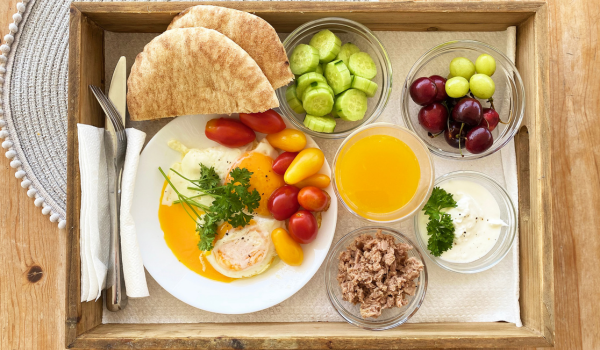
Home-cooked meals can be as simple as combining store-bought elements with fresh additions. One sauté, one bake, or one mix counts as cooking.
Combine Convenience And Home-Cooked Elements For Balanced Meals
Add Fresh Foods To Ready-Made Items
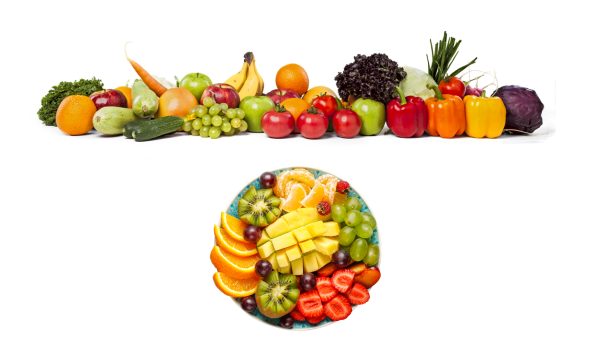
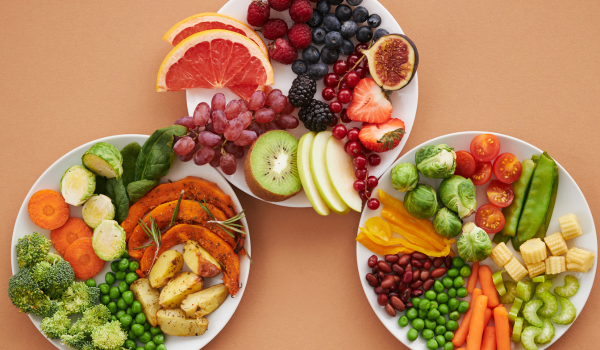
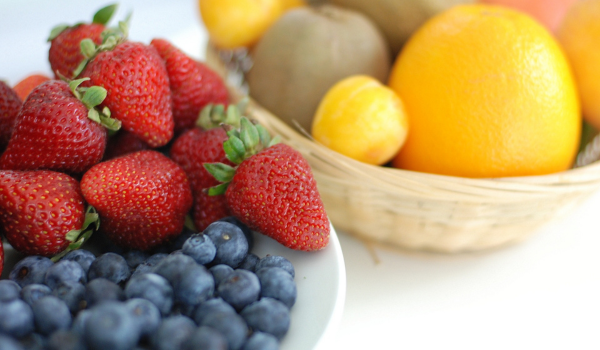
A frozen entrée often lacks vegetables or fiber. Pair it with roasted broccoli, a side salad, fruit, or beans for a more complete meal that keeps you fuller longer.
Upgrade Takeout Or Prepared Meals
If you pick up pizza, add a salad or roasted veggies on the side. For a grocery-store hot bar meal, include fruit or whole grains from home. Small additions boost nutrients without adding workload.
Stretch Convenience Foods
Turn one rotisserie chicken into several meals: soup, tacos, sandwiches, or grain bowls. Combine canned chili with extra beans and vegetables. These actions lower cost per serving while improving nutrition.
Portion Mindfully Without Restriction
Some packaged meals contain more calories or sodium than needed. Share them, save half for later, or pair with homemade add-ons so the meal feels satisfying without overeating.
Time-Saving Strategies That Keep Both Options Available
Plan A Flexible Weekly Menu
Identify when you will have time to cook and when you won’t. Build your plan around reality, not ideal conditions. If Wednesday is always busy, designate it as a convenience night.
Prep Just One Component
Chopping vegetables, roasting a protein, cooking a grain, or preparing a sauce sets the stage for easier meals for several days. These building blocks pair naturally with convenience items.
Keep A Pantry Safety Net
Stock ingredients that don’t spoil quickly: beans, lentils, canned tomatoes, spices, whole grains, and frozen produce. When schedules change unexpectedly, these staples bridge the gap.
Use Kitchen Shortcuts Wisely
Bagged chopped vegetables, steam-in-bag rice, prewashed greens, and cut fruit save time without sacrificing quality.
When Convenience Foods Are Especially Helpful
Busy Workweeks With Long Hours
Having quick meals ready prevents last-minute fast-food runs and snacking through the evening.
Periods Of Low Motivation Or Energy
Burnout and stress can make cooking feel overwhelming. Convenience foods provide nourishment until energy returns.
Travel, Illness, Or Family Commitments
Prepared meals give flexibility and stability during weeks when life does not follow routines.
Kids And Teens’ Shifting Schedules
Lunchboxes, after-school snacks, and sudden hunger are easier to manage when staples are available.
When Home Cooking Takes The Lead
Weekends Or Slower Days
Preparing at least one full meal gives you leftovers, skill-building, and a deeper sense of care and connection with food.
Cooking With Others
Involving kids, partners, or roommates turns meals into quality time rather than chores.
Budget Management
Cooking large batches of soups, casseroles, rice dishes, or pasta provides multiple meals for the cost of one takeout order.
Conclusion
Balancing convenience foods with home-cooked meals is not about choosing one over the other—it’s about finding a rhythm that matches the way you live. Convenience foods can save time, reduce stress, and keep you nourished on demanding days, while home cooking offers more control, flavor, and cost savings. When you combine both thoughtfully, you build a practical eating style that supports your health without overwhelming your schedule.
Small adjustments—such as adding vegetables to packaged meals, preparing a few ingredients ahead of time, and planning for nights when cooking is unrealistic—go a long way. The goal is not perfection but balance and awareness. With flexibility and smart choices, convenience foods become part of a healthy eating pattern rather than an obstacle to it.
Explore more guides on Health365s.com to keep shaping habits that work for your life, not against it.

.png)


.png)
.png)
.png)
.png)
.png)
.png)
.png)
.png)
.png)
.png)
.png)
.png)
.png)
.png)

.png)
.png)
.png)
.png)

