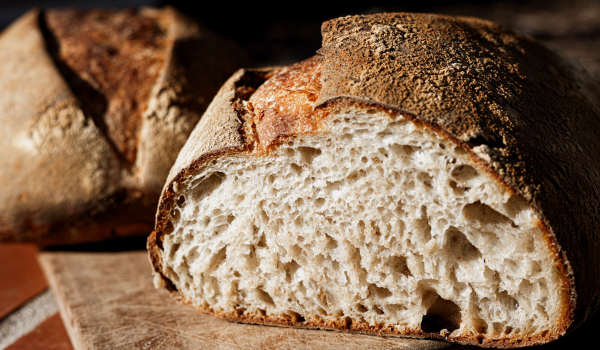
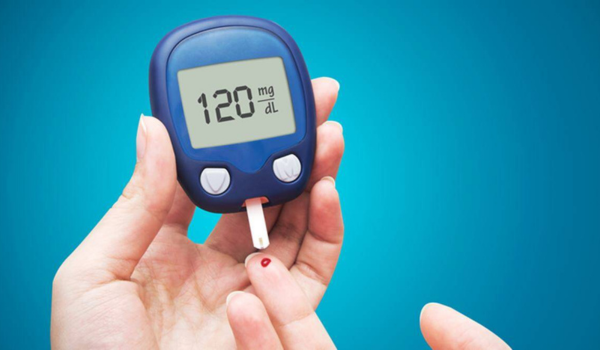
Sourdough bread is often viewed as a healthier option than many other bread varieties—especially when it comes to blood sugar. Although research is still limited, several experts believe sourdough may help promote more stable glucose levels in certain situations.
Understanding sourdough’s effects can be challenging because studies use different types of flour and natural starters, each with its own microbial composition. These variations influence fermentation speed, nutrient breakdown, and carbohydrate availability. Beyond that, everyone’s blood sugar response differs depending on metabolism, portion size, and what foods are eaten alongside the bread.
Still, the available evidence shows that sourdough generally has a lower glycemic index than bread made with commercial yeast. This means glucose enters the bloodstream more slowly, helping prevent sharp spikes after meals.
Why Sourdough Is Different From Other Breads
Unlike typical bread, sourdough is created through natural fermentation using a mixture of wild yeasts and beneficial bacteria.
how natural fermentation affects glucose levels
During fermentation, microbes break down some of the starches and sugars in the flour. They also produce organic acids that slow stomach emptying. Together, these effects reduce how quickly carbohydrates are digested and absorbed, contributing to steadier post-meal blood sugar levels.
fiber content and starch structure
When made with whole-grain flour, sourdough contains more fiber than standard white bread. Fiber naturally slows the absorption of carbohydrates, helping prevent rapid glucose spikes and supporting digestive health.
effects on gut health
Even though probiotics do not survive the baking process, fermented dough still leaves a positive impact on the gut environment. A healthier microbiome is linked to better insulin sensitivity and improved glucose regulation over time.
Should You Choose Sourdough for Better Blood Sugar Control?
Most experts agree that sourdough can be a smart choice if you’re watching your blood sugar—but it shouldn’t be consumed excessively just because it may seem healthier.
Total carbohydrate intake remains the most important factor. Overeating bread of any kind, even sourdough, can still raise blood sugar and make weight management more difficult.
More research is also needed to confirm whether refined white-flour sourdough is truly better than whole-grain yeast-based bread when consumed regularly.
overall dietary guidance
For long-term glucose control, sourdough should be part of a balanced eating pattern that includes:
-
Lean proteins
-
High-fiber vegetables
-
Beans and legumes
-
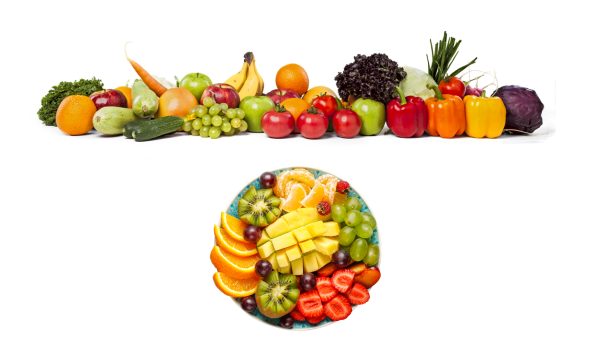
Whole fruits
-
Whole grains in moderation
No single type of bread can replace the benefits of a nutritious, well-rounded diet.

.png)


















.png)
.png)
.png)
.png)


.png)
.png)
.png)
.png)
.png)
.png)
.png)
.png)
.png)
.png)




.png)
.png)
.png)
.png)
.png)
.png)