
Sugar is part of many foods, but how much is actually safe to consume each day? While naturally occurring sugars found in whole foods are generally not restricted, health experts recommend limiting added sugars to reduce the risk of chronic disease and excess calorie intake.
How Much Added Sugar Is Okay Each Day?
Recommended Limits For Adults
Health guidelines focus specifically on added sugars, not the sugars naturally found in fruits, vegetables, and dairy. The Dietary Guidelines for Americans recommend limiting added sugars to less than 10% of total daily calories.
For someone eating 2,000 calories per day, this equals about 12 teaspoons, or 50 grams, of added sugar.
American Heart Association Guidance
The American Heart Association recommends a stricter limit—no more than 6% of daily calories from added sugars. This equals roughly 6 to 9 teaspoons, or about 30 grams per day.
Recommendations For Children
Infants under 2 years old should consume no added sugars. Children over 2 should limit added sugars to no more than 6 teaspoons (25 grams) per day.
How To Read Sugar On Nutrition Labels
Total Sugar
This number includes both naturally occurring sugars and added sugars.
Added Sugars
This line shows how much sugar has been added during processing. If added sugar equals total sugar, all sugar in the product is added sugar.
Natural Sugar Vs. Added Sugar
Differences In Food Sources
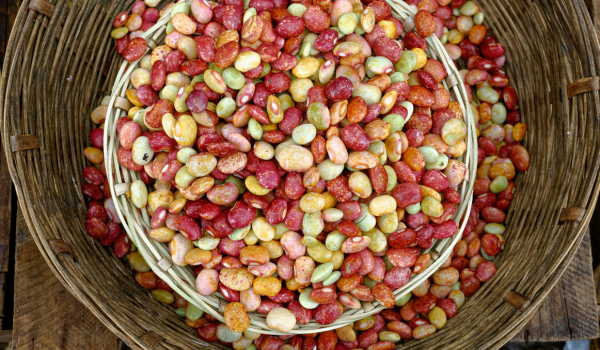
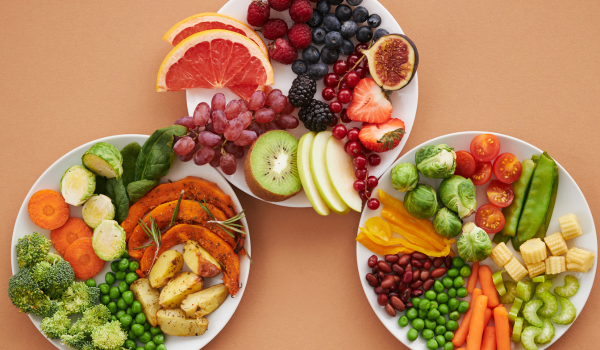
Naturally occurring sugars are found in whole foods like fruit, milk, beans, and whole grains. These foods also provide fiber, vitamins, minerals, and antioxidants.
Impact On Blood Sugar
Whole foods contain complex carbohydrates and fiber, which slow digestion and help prevent sharp blood sugar spikes.
Gut Health Benefits
Fiber-rich foods promote the production of short-chain fatty acids, which support gut bacteria and digestive health.
Health Risks Of Too Much Added Sugar
Weight Gain And Chronic Disease
Excess added sugar increases calorie intake and contributes to weight gain, which is linked to high blood pressure, heart disease, sleep apnea, joint problems, chronic pain, and certain cancers.
Dental Caries (Tooth Decay)
High intake of added sugars significantly increases the risk of cavities. Limiting added sugars to under 10% of daily calories reduces this risk. Whole foods like fruit and milk appear less harmful due to protective nutrients.
Heart Disease Risk
Sugar-sweetened beverages have been consistently linked to higher cardiovascular disease risk, although evidence from observational studies cannot prove direct causation.
Type 2 Diabetes
Added sugars alone are not considered a primary cause of diabetes, but sugary drinks and excess calorie intake increase risk, especially when combined with sedentary lifestyle and genetic factors.
Non-Alcoholic Fatty Liver Disease
High intake of fructose from sugar-sweetened beverages has been associated with increased risk of fatty liver disease, though multiple factors contribute to its development.
Foods That Commonly Contain Added Sugar
Sugary Beverages
Soft drinks, fruit drinks, sports drinks, sweetened coffee, and tea account for about half of all added sugar intake.
Unexpected Food Sources
Bread, condiments, breakfast cereals, granola bars, and flavored yogurts often contain hidden added sugars.
Simple Ways To Cut Back On Sugar
Reduce Sweetened Drinks
Choose water, unsweetened tea, milk, or sparkling water instead of sugary beverages.
Eat Balanced Meals
Include fiber, protein, and healthy fats throughout the day to reduce sugar cravings.
Choose Whole-Food Snacks
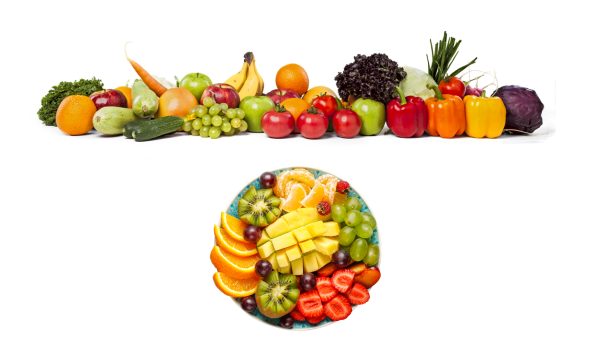
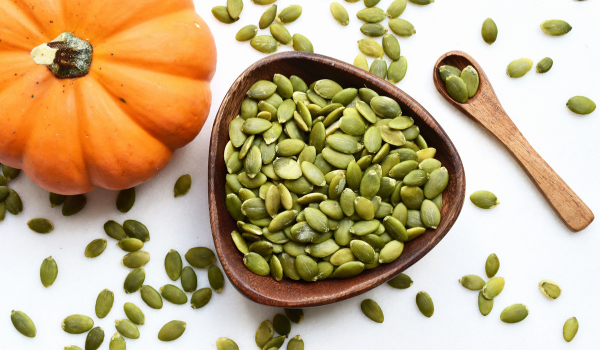
Opt for fruit, nuts, seeds, vegetables, or hummus instead of processed snacks.
Buy Unsweetened Products
Select yogurt, nut butters, and cereals without added sugar and sweeten naturally if needed.
Adjust Coffee And Tea Orders
Ask for less or no added sweeteners when ordering beverages.


.png)











.png)
.png)
.png)
.png)


.png)
.png)
.png)
.png)
.png)
.png)
.png)
.png)
.png)
.png)




.png)
.png)
.png)
.png)