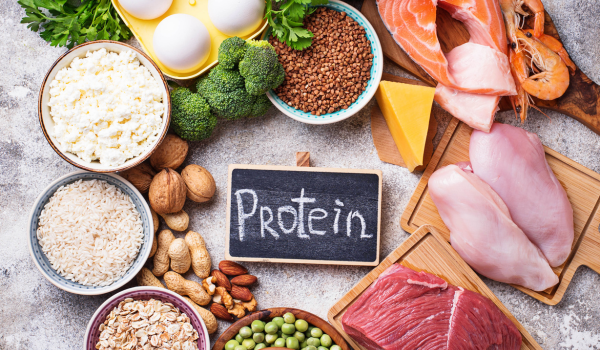
Protein needs vary based on your body weight, age, and daily activity.
Most adults require about 0.85 grams of protein per kilogram of body weight per day (0.36 grams per pound).
Unlike fats and carbohydrates, your body doesn’t store protein, which means you need to consume it consistently for proper function.
What’s The Right Amount For Your Body?
Understanding the baseline needs
The Recommended Dietary Allowance (RDA) reflects the amount of protein needed to support normal health in 97–98% of people of the same age and sex.
General protein guidelines by age
Each life stage has unique needs. Children require more protein per kilogram than adults to support rapid growth. In adolescence and adulthood, daily grams shift along with average body size.
How to calculate your protein intake
To estimate your needs, divide your weight in pounds by 2.205 to convert to kilograms, then multiply by the recommended grams per kilogram according to your activity level.
Activity Levels And Protein Needs
Protein needs increase with movement
Active adults—those who participate in at least 150 minutes of moderate exercise weekly and strength train twice a week—may require 1.2–2 grams of protein per kilogram of weight per day.
Why active people need more
Physical activity stresses muscle fibers. Protein helps repair and rebuild those tissues, supporting recovery, endurance, and metabolic performance.
Protein And Muscle Gain
Why building muscle requires more protein
If you lift weights or engage in resistance workouts, you may benefit from around 1.5 grams per kilogram (0.7 grams per pound) each day.
Exercise plus protein = growth
Eating more protein without resistance training won’t increase muscle mass. Gains happen when dietary protein supports the demands of strength-based exercise.
Protein And Weight Loss
Feeling fuller longer
Protein digests slowly and helps regulate appetite hormones. Foods rich in protein extend satiety more effectively than carbohydrates or fats.
Metabolic advantages
Protein increases the number of calories burned during digestion—a process called the thermic effect of food.
Bringing protein intake to around 30% of daily calories can support natural calorie reduction and fat loss.
Can You Get Too Much Protein?
Potential risks of excess
Regularly consuming more than 35% of total calories from protein may strain the liver, kidney, and bone metabolism systems in some individuals.
What new research suggests
Some studies indicate that even high-protein diets (up to 3.3 grams per kilogram daily) did not impair kidney or liver function in trained men over a one-year period. However, findings may not apply to everyone.
When to seek advice
If you are unsure how much protein you need—especially if you have a kidney, liver, or metabolic condition—consult a healthcare provider or registered dietitian.
Best Food Sources Of Protein
Animal-based options
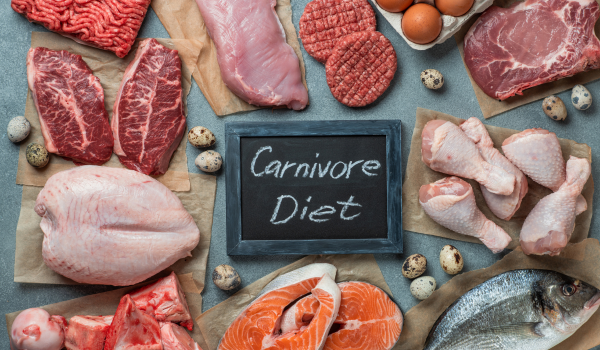
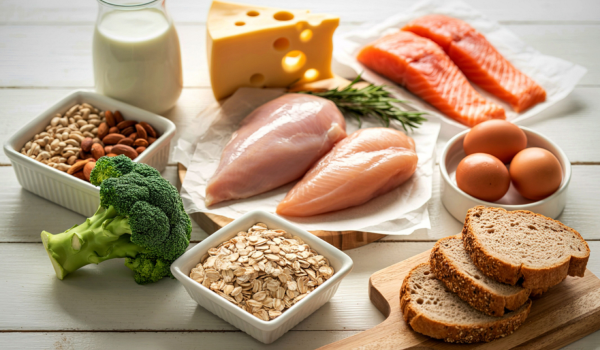
Eggs, dairy products, lean meat, seafood, and poultry supply high-quality, complete proteins containing all essential amino acids.
Plant-based sources
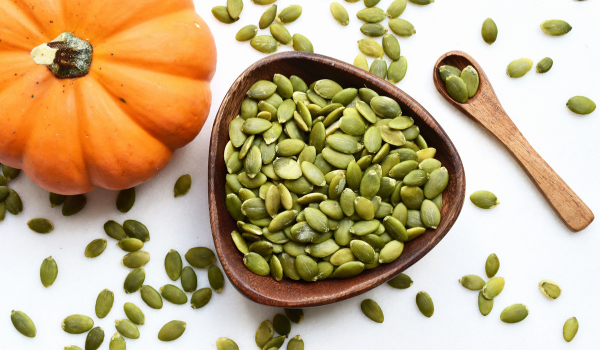
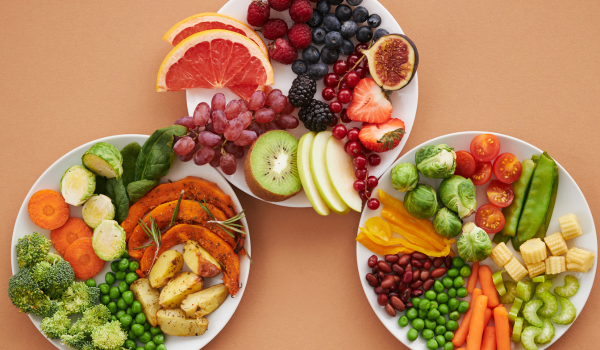
Beans, lentils, nuts, seeds, and soy-based products offer powerful protein support for vegetarian and vegan diets.
Mixing sources matters
Combining different plant foods—such as beans and grains—helps ensure a full amino acid profile over the course of the day.
Frequently Asked Questions
Do you need 100 grams of protein a day?
Not necessarily. Someone eating 2,000 calories a day only needs 50–175 grams daily depending on goals.
If you're active, lifting weights, or trying to lose weight, 100 grams may be appropriate.
How do you calculate your daily protein target?
Multiply your body weight in pounds by 0.36 for the general RDA minimum.
Active people may multiply by 0.5–0.9 (or calculate by kilograms × target grams).
When should you eat protein?
Spread intake evenly across meals and snacks. After exercise—ideally within 2 hours—protein supports muscle repair and strength gains.


.png)






.png)
.png)
.png)
.png)

.png)
.png)
.png)
.png)
.png)
.png)
.png)
.png)
.png)
.png)



.png)
.png)
.png)
.png)