
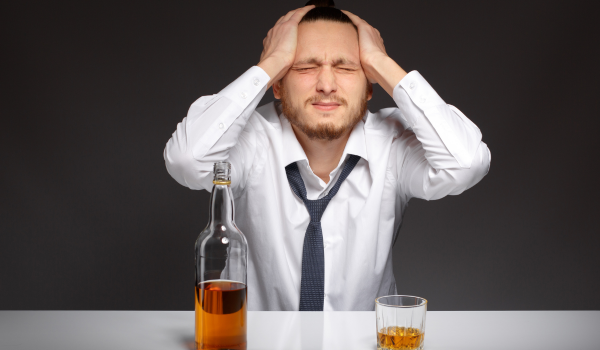
Alcohol begins affecting the body within minutes. Many people notice shifts in breathing, heart rate, coordination, and thinking as early as 10 minutes after their first drink. The strongest effects are typically felt between 40 minutes and one hour. However, the exact length of time alcohol stays in the system varies widely from person to person.
How The Body Processes Alcohol
Absorption And Breakdown
Once consumed, alcohol travels through the digestive tract and enters the bloodstream. From there, it remains in circulation until the liver is able to break it down.
The liver relies on enzymes that dismantle alcohol molecules, converting them first into intermediate substances and finally into water and carbon dioxide. These harmless end products can then be excreted naturally. Because the liver works at a fixed pace, drinking quickly or heavily can overwhelm the system.
Understanding Blood Alcohol Levels
Blood Alcohol Concentration (BAC)
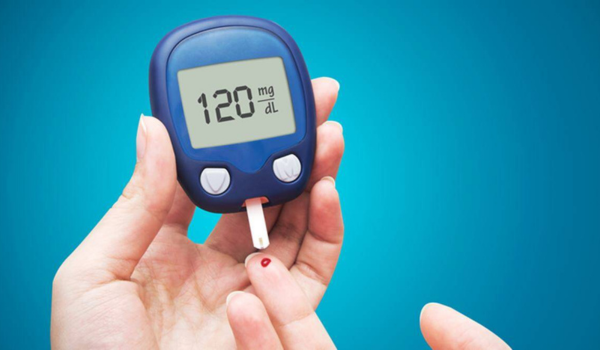
BAC represents how much alcohol is present in the bloodstream. If alcohol enters the body at roughly the same pace the liver can metabolize it, BAC stays relatively low. When intake is faster than metabolism, BAC rises, increasing intoxication.
Standard BAC tests can typically detect alcohol for up to 12 hours. Specialized blood tests that look for alcohol metabolites may detect drinking episodes that occurred days to weeks earlier, particularly for monitoring alcohol use disorder.
Factors That Affect Alcohol Processing
Type Of Alcohol
Liquor, which has higher alcohol content, enters the bloodstream faster than wine or beer. Drinks with higher proof create more rapid increases in BAC.
Medications
Certain prescription or over-the-counter drugs interact poorly with alcohol, leading to stronger effects, slower breakdown, or increased side effects. Always confirm with a pharmacist or provider whether drinking is safe while taking medications.
Food Intake
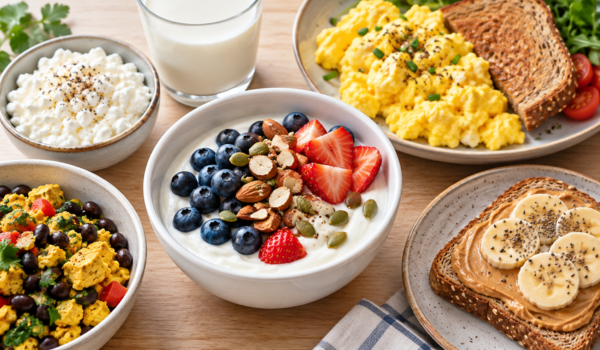
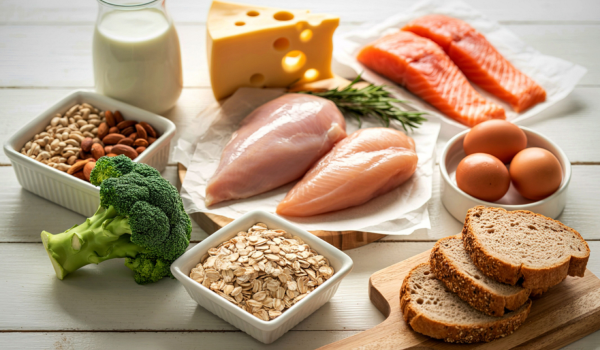
Eating before or during drinking slows the rate of alcohol absorption. Foods containing fat, protein, or carbohydrates provide a buffer, giving the liver more time to metabolize incoming alcohol.
Individual Differences
Metabolism differs significantly among individuals based on body size, age, and biological sex. People assigned female at birth, smaller-bodied individuals, and younger drinkers often feel effects more strongly. Some people may simply be more alcohol-sensitive due to genetic or metabolic differences.
Drinking Safely
Understanding how alcohol moves through the body can support safer habits. Knowing what counts as a standard drink helps monitor intake:
- 12 ounces of beer
- 8 ounces of malt liquor
- 5 ounces of wine
- 1 shot of distilled spirits
Other strategies to stay safe include:
- Planning transportation ahead of time
- Eating before and during drinking
- Alternating alcoholic beverages with water
- Checking medication warnings
- Being aware of family history related to alcohol use disorder
These habits can make social drinking more enjoyable while reducing potential harm.

.png)





.png)
.png)
.png)
.png)
.png)
.png)
.png)
.png)
.png)
.png)
.png)
.png)
.png)
.png)


.png)
.png)
.png)
.png)

