Most people know that what you eat matters, but fewer realize that when you eat plays an equally important role in how you feel throughout the day. Food timing affects everything from your energy levels and focus to your mood, appetite, and sleep quality. By paying attention not only to what is on your plate but also to when you choose to eat, you can create a more balanced rhythm that helps your body perform at its best. Understanding the power of timing can make eating well feel easier, more natural, and more supportive of your emotional and physical health.
Why The Body Responds To Consistent Meal Timing
Your body thrives on predictability and routine.
The Internal Clock Depends On Regular Fueling
Your body operates on a 24-hour rhythm known as the circadian rhythm, which regulates hunger, metabolism, hormone release, and digestion.
Regular Eating Helps Regulate Hormones
Eating meals at similar times supports appetite-related hormones, making hunger and fullness cues easier to interpret.
Predictable Fueling Prevents Energy Dips
When the body knows fuel will arrive consistently, it maintains steadier energy throughout the day.
Irregular Meal Patterns Disrupt Metabolic Rhythm
Skipping or delaying meals teaches the body to conserve energy and increases stress-related responses.
Eating at regular intervals helps your body feel balanced and supported.
How Food Timing Influences Daily Energy
When meals occur matters for maintaining steady physical and mental performance.
Eating Something In The Morning Sets The Foundation
A morning meal or snack helps refuel after an overnight fast and kickstarts energy production for the day.
Midday Eating Supports Ongoing Activity
Lunch maintains energy for the afternoon, preventing late-day crashes and reduced concentration.
Long Gaps Between Meals Decrease Energy
When the body runs out of available fuel, tiredness, irritability, and brain fog commonly appear.
Evening Meals Can Affect Nighttime Energy
Eating too late—or eating too little during the day and overeating at night—can disrupt sleep and trigger digestive discomfort.
Balanced timing helps energy remain consistent from morning to evening.
The Role Of Food Timing In Mood Regulation
Mood fluctuates more when fuel is inconsistent.
Stable Blood Sugar Supports Emotional Stability
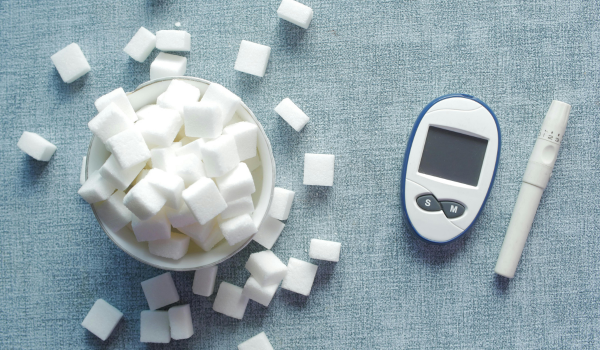
When blood sugar rises and falls sharply due to irregular eating, mood tends to follow the same pattern.
Skipping Or Delaying Meals Heightens Irritability
Hunger signals intensify when the body senses a shortage, leading to short temper or emotional sensitivity.
Steady Nourishment Helps Prevent Mood Swings
Eating at planned intervals ensures the brain has the nutrients it needs to support emotional balance and stress response.
Evenly Spaced Meals Reduce Anxiety Around Food
When the body trusts that nourishment is coming, emotional reactions to hunger diminish.
Mood benefits greatly from predictable, steady fueling throughout the day.
Appetite Control And Craving Regulation
Food timing plays a meaningful role in managing cravings.
Irregular Eating Leads To Stronger Hunger
When meals are delayed or skipped, hunger hormones surge, making cravings harder to resist.
Consistent Eating Moderates Appetite
Regular meals prevent extremes, allowing healthier food choices to happen more naturally.
Balanced Timing Protects Against Overeating
When the body stays nourished, the desire to binge later decreases dramatically.
Late-Night Eating Often Results From Under-Eating Earlier
Eating small or skipped meals during the day increases nighttime appetite, which can disrupt sleep and digestion.
When meals are spaced thoughtfully, food choices feel calmer and more intuitive.
How Timing Affects Digestion And Comfort
Digestive wellness improves when meals come at predictable times.
The Digestive System Works Best When Not Overloaded
Spacing meals several hours apart gives the gut time to process food thoroughly.
Irregular Eating Can Lead To Discomfort
Symptoms such as bloating, gas, or sluggish digestion are more common when timing varies dramatically.
Dinner Timing Affects Sleep And Nighttime Digestion
Eating large meals late at night forces the digestive system to work while the body is trying to rest.
Regular Meal Rhythm Supports Gut Health
Consistent timing helps maintain predictable bowel patterns and more comfortable digestion.
A steady eating schedule keeps digestion running more smoothly and comfortably.
Supporting Focus And Mental Performance Through Timing
Food timing also influences mental clarity and cognitive flow.
Fueling Before Work Or School Enhances Concentration
Morning nourishment helps the brain transition from rest into alertness.
Lunch Maintains Productivity
A midday meal prevents slowed reactions and mental fatigue in the afternoon.
Going Too Long Without Eating Impairs Focus
When the brain lacks glucose, processing slows and mistakes become more frequent.
Balanced Snacking Keeps Momentum
Small, intentional snacks bridge long gaps and protect steady attention.
The brain performs best when energy arrives steadily throughout the day.
Sleep Quality And Eating Schedule
Timing affects not only daytime energy but the quality of your sleep.
Eating Too Close To Bedtime Makes Sleep Harder
Nighttime digestion can interfere with restfulness and increase discomfort.
Early, Balanced Meals Support Nighttime Recovery
Fueling earlier in the day leads to better appetite regulation and calmer evenings.
Irregular Timing Disrupts Circadian Hormones
When meal timing varies dramatically, the body struggles to regulate sleep-hormone cycles.
Consistent Eating Supports Consistent Sleeping
Routine food timing reinforces the brain’s expectations and helps maintain a stable sleep-wake rhythm.
Thoughtful timing fosters deeper rest and better recovery overnight.
Small Strategies To Improve Food Timing
You don’t need rigid schedules—just gentle patterns.
Start With One Daily Anchor Meal
Choose breakfast or lunch as your reliable “first meal” to guide the rest of the day.
Plan Rough Eating Windows
Aim for meals spaced every three to five hours, adjusting based on hunger.
Carry Snacks For Busy Days
Easy options like fruit, nuts, yogurt, or a sandwich can prevent long gaps.
Tune Into Hunger Cues
Responding to early hunger signals helps prevent crashes and overeating.
These small adjustments can transform how you feel mentally and physically.
Conclusion
Food timing shapes how you feel just as much as the food itself. Regular meals support balanced blood sugar, consistent energy, stable mood, stronger concentration, better digestion, and more restorative sleep. Irregular eating patterns create fluctuations that ripple across your day—heightening cravings, dulling focus, and increasing emotional sensitivity. The goal is not perfection or strict rules, but rhythm and awareness. By nourishing your body at consistent intervals, you help it stay balanced and energized in a way that feels natural, supportive, and sustainably healthy.


.png)


















.png)
.png)
.png)
.png)


.png)
.png)
.png)
.png)
.png)
.png)
.png)
.png)
.png)
.png)




.png)
.png)
.png)
.png)